

Section: Module 3: Common Emergency Presentations and Diseases | Didactic Emergency Medicine | NextGenU.org
-
Competencies covered in this module:
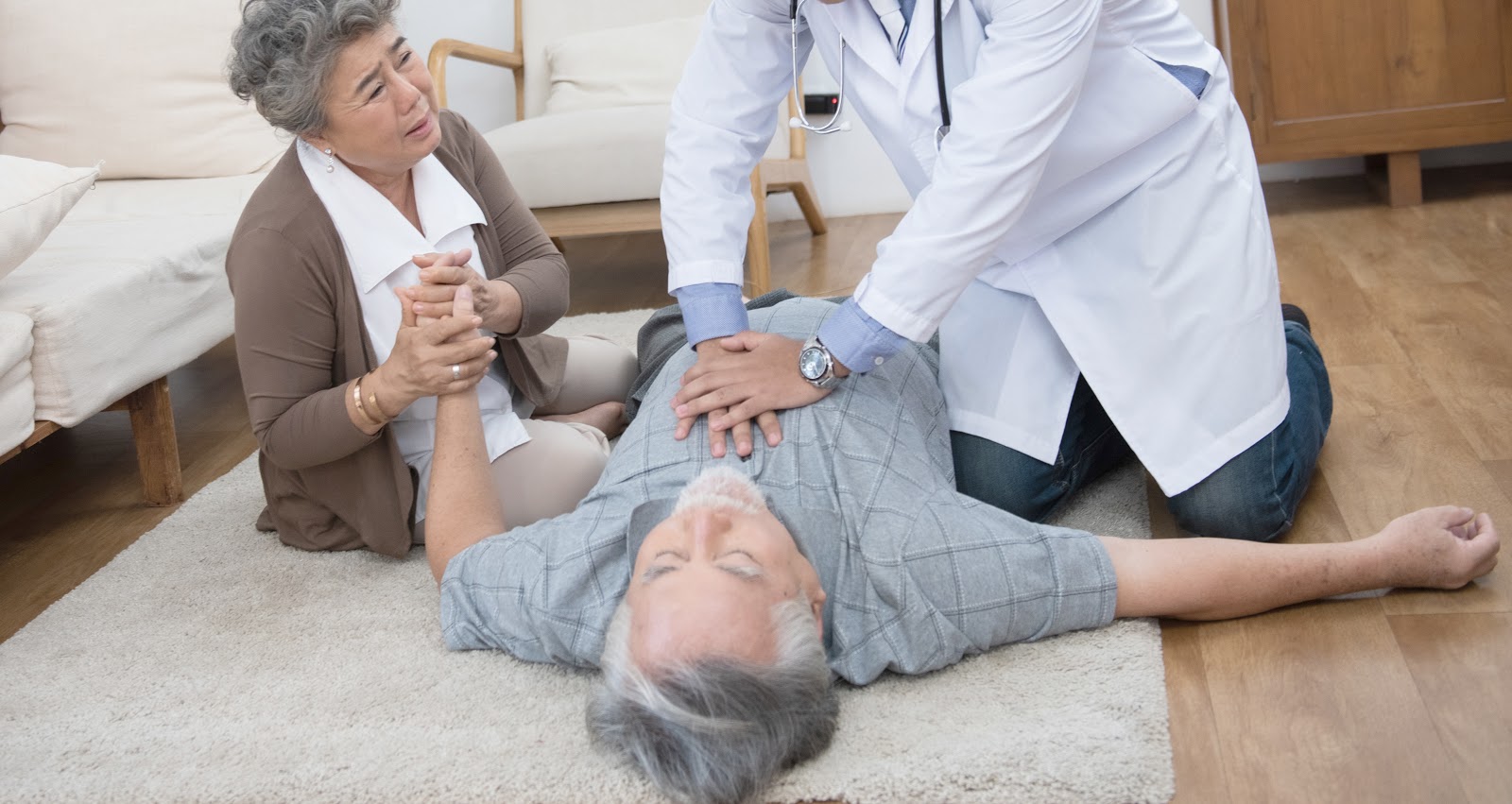
- Students should develop a differential diagnosis that is prioritized on potential life-threatening conditions and the likelihood of disease. Students should demonstrate a knowledge (or understanding) of basic diagnostic modalities and interpretation of results. Most importantly, students should cultivate an appreciation of risk stratification and pretest probabilities for selected conditions.
-
-
Quiz: Module 3: Lesson 1: Cardiac ArrestTo access the quiz, click on the name of the quiz provided above. On the following screen, click the "Preview quiz now" button to respond to the questions.
TO PASS THIS QUIZ YOU MUST OBTAIN A SCORE OF 5/6. -
-
-
Quiz: Module 3: Lesson 1: Chest Pain
To access the quiz, click on the name of the quiz provided above. On the following screen, click the "Preview quiz now" button to respond to the questions.
TO PASS THIS QUIZ YOU MUST OBTAIN A SCORE OF 3/4.
-
Students mustViewStart discussions: 1
What are some of the most common differential diagnoses for cardiac arrest in your country or region?
-
-
Quiz: Module 3: Lesson 1: Abdominal Aortic Aneurysm
To access the quiz, click on the name of the quiz provided above. On the following screen, click the "Preview quiz now" button to respond to the questions.
TO PASS THIS QUIZ YOU MUST OBTAIN A SCORE OF 2/3.
-
Students mustViewStart discussions: 1
If you had a patient with AAA who had been safely discharged, what kind of changes to their diet or lifestyle would you advise them to make in order to attempt to minimize future risk?
-
-
Quiz: Module 3: Lesson 1: Acute Coronary SyndromesTo access the quiz, click on the name of the quiz provided above. On the following screen, click the "Preview quiz now" button to respond to the questions.
TO PASS THIS QUIZ YOU MUST OBTAIN A SCORE OF 2/3. -
-
Quiz: Module 3: Lesson 1: Congestive Heart Failure
To access the quiz, click on the name of the quiz provided above. On the following screen, click the "Preview quiz now" button to respond to the questions.
TO PASS THIS QUIZ YOU MUST OBTAIN A SCORE OF 2/3.
-
Students mustViewStart discussions: 1
Why do you think congestive heart failure is so common in North America? Is it as common in the country/region where you live?
-
-
Quiz: Module 3: Lesson 1: Thoracic Aortic Dissection
To access the quiz, click on the name of the quiz provided above. On the following screen, click the "Preview quiz now" button to respond to the questions.
TO PASS THIS QUIZ YOU MUST OBTAIN A SCORE OF 2/3.
-
Students mustViewStart discussions: 1
Several methods of diagnostic testing for thoracic aortic dissection are described in the reading for this competency. Which methods of diagnostic testing do you have access to in your ED? Which ones do you use most often?
-
-
Quiz: Module 3: Lesson 1: Pulmonary Embolus
To access the quiz, click on the name of the quiz provided above. On the following screen, click the "Preview quiz now" button to respond to the questions.
TO PASS THIS QUIZ YOU MUST OBTAIN A SCORE OF 2/3.
-
Students mustViewStart discussions: 1
What are some typical characteristics of patients diagnosed with a pulmonary embolus?
-
-
-
Quiz: Module 3: Lesson 2: Abdominal Pain
To access the quiz, click on the name of the quiz provided above. On the following screen, click the "Preview quiz now" button to respond to the questions.
TO PASS THIS QUIZ YOU MUST OBTAIN A SCORE OF 3/4.
-
Students mustViewStart discussions: 1
What are some of the most common sources of abdominal pain in your country or region?
-
-
Quiz: Module 3: Lesson 2: GI Bleed
To access the quiz, click on the name of the quiz provided above. On the following screen, click the "Preview quiz now" button to respond to the questions.
TO PASS THIS QUIZ YOU MUST OBTAIN A SCORE OF 2/3.
-
Students mustViewStart discussions: 1
What are some of the most rare causes of gastrointestinal bleeding in your country or region?
-
-
Quiz: Module 3: Lesson 2: Appendicitis
To access the quiz, click on the name of the quiz provided above. On the following screen, click the "Preview quiz now" button to respond to the questions.
TO PASS THIS QUIZ YOU MUST OBTAIN A SCORE OF 2/3.
-
Students mustViewStart discussions: 1
If a woman presented to the ED with symptoms of appendicitis, how would you approach their case differently, compared to a male presenting with symptoms of appendicitis?
-
-
Quiz: Module 3: Lesson 2: Biliary Disease
To access the quiz, click on the name of the quiz provided above. On the following screen, click the "Preview quiz now" button to respond to the questions.
TO PASS THIS QUIZ YOU MUST OBTAIN A SCORE OF 2/3.
-
Students mustViewStart discussions: 1
Which tools of diagnostic testing for biliary disease do you have access to in your ED? Which ones do you use most often?
-
-
Quiz: Module 3: Lesson 2: Small Bowel Obstruction
To access the quiz, click on the name of the quiz provided above. On the following screen, click the "Preview quiz now" button to respond to the questions.
TO PASS THIS QUIZ YOU MUST OBTAIN A SCORE OF 2/3.
-
Students mustViewStart discussions: 1
Explain briefly why strangulation is the most lethal complication of small bowel obstruction.
-
-
Quiz: Module 3: Lesson 2: Massive Gastrointestinal Bleeding
To access the quiz, click on the name of the quiz provided above. On the following screen, click the "Preview quiz now" button to respond to the questions.
TO PASS THIS QUIZ YOU MUST OBTAIN A SCORE OF 2/3.
-
Students mustViewStart discussions: 1
Is any one cause of massive gastrointestinal bleeding more common than the others in your country/region? If so, what population tends to be most affected by this?
-
-
Quiz: Module 3: Lesson 2: Mesenteric Ischemia
To access the quiz, click on the name of the quiz provided above. On the following screen, click the "Preview quiz now" button to respond to the questions.
TO PASS THIS QUIZ YOU MUST OBTAIN A SCORE OF 2/3.
-
Students mustViewStart discussions: 1
Imagine you had to describe mesenteric ischemia to someone with no medical knowledge. How would you explain this disease in simple terms?
-
-
Quiz: Module 3: Lesson 2: Perforated Viscus
To access the quiz, click on the name of the quiz provided above. On the following screen, click the "Preview quiz now" button to respond to the questions.
TO PASS THIS QUIZ YOU MUST OBTAIN A SCORE OF 2/3.
-
Students mustViewStart discussions: 1
Describe why cases of perforated viscus have a mortality rate of 30-50%, even with appropriate surgical and post-surgical care.
-
-
Quiz: Module 3: Lesson 3: Poisonings
To access the quiz, click on the name of the quiz provided above. On the following screen, click the "Preview quiz now" button to respond to the questions.
TO PASS THIS QUIZ YOU MUST OBTAIN A SCORE OF 2/3.
-
Students mustViewStart discussions: 1
Think about the cases of poisonings you have seen in the ED. Are the majority of them intentional or accidental poisonings? Does your answer surprise you in any way?
-
-
Quiz: Module 3: Lesson 3: Burns and Smoke Inhalation
To access the quiz, click on the name of the quiz provided above. On the following screen, click the "Preview quiz now" button to respond to the questions.
TO PASS THIS QUIZ YOU MUST OBTAIN A SCORE OF 3/4.
-
Students mustViewStart discussions: 1
What are some of the most difficult or challenging aspects about treating patients for burns and/or smoke inhalation?
-
-
Quiz: Module 3: Lesson 3: Envenomation
To access the quiz, click on the name of the quiz provided above. On the following screen, click the "Preview quiz now" button to respond to the questions.
TO PASS THIS QUIZ YOU MUST OBTAIN A SCORE OF 2/3.
-
Students mustViewStart discussions: 1
How often do patients present to your ED with envenomation? What are the most typical causes of envenomation in your country/region?
-
-
Quiz: Module 3: Lesson 3: Heat Related Illnes
To access the quiz, click on the name of the quiz provided above. On the following screen, click the "Preview quiz now" button to respond to the questions.
TO PASS THIS QUIZ YOU MUST OBTAIN A SCORE OF 2/3.
-
Students mustViewStart discussions: 1
In simple terms, describe the differences between classic heatstroke and exertional heatstroke. Which is more common in your country/region?
-
-
Quiz: Module 3: Lesson 3: Hypothermia
To access the quiz, click on the name of the quiz provided above. On the following screen, click the "Preview quiz now" button to respond to the questions.
TO PASS THIS QUIZ YOU MUST OBTAIN A SCORE OF 2/3.
-
Students mustViewStart discussions: 1
Outline the reasons why shivering is present in patients with mild hypothermia, but not in patients with moderate or severe hypothermia.
-
-
Quiz: Module 3: Lesson 3: Drownin
To access the quiz, click on the name of the quiz provided above. On the following screen, click the "Preview quiz now" button to respond to the questions.
TO PASS THIS QUIZ YOU MUST OBTAIN A SCORE OF 2/3.
-
Students mustViewStart discussions: 1
Give an example of secondary drowning. If you describe a case you have actually witnessed, do not use any identifying information about the patient or the case.
-
-
Quiz: Module 3: Lesson 4: Altered Mental Status
To access the quiz, click on the name of the quiz provided above. On the following screen, click the "Preview quiz now" button to respond to the questions.
TO PASS THIS QUIZ YOU MUST OBTAIN A SCORE OF 2/3.
-
Students mustViewStart discussions: 1
Discuss some of your preferred methods of gathering information about a patient presenting to the ED with altered mental status.
-
-
Quiz: Module 3: Lesson 4: The Agitated Patient
To access the quiz, click on the name of the quiz provided above. On the following screen, click the "Preview quiz now" button to respond to the questions.
TO PASS THIS QUIZ YOU MUST OBTAIN A SCORE OF 2/3.
-
Students mustViewStart discussions: 1
Have you ever encountered a patient in the ED who made you fear for your safety? How did you handle the situation? Do not use any identifying information.
-
-
Quiz: Module 3: Lesson 4: Suicidal Patient
To access the quiz, click on the name of the quiz provided above. On the following screen, click the "Preview quiz now" button to respond to the questions.
TO PASS THIS QUIZ YOU MUST OBTAIN A SCORE OF 2/3.
-
Students mustViewStart discussions: 1
What are the most challenging aspects of evaluating and treating a suicidal patient?
-
To access the quiz, click on the name of the quiz provided above. On the following screen, click the attempt quiz button to respond to the questions.
-
-
-
Quiz: Module 3: Lesson 5: Headache
To access the quiz, click on the name of the quiz provided above. On the following screen, click the "Preview quiz now" button to respond to the questions.
TO PASS THIS QUIZ YOU MUST OBTAIN A SCORE OF 2/3.
-
Students mustViewStart discussions: 1
What are some of the most severe symptoms you have seen in a patient presenting with headache? Make sure not to use any identifying details.
-
-
Quiz: Module 3: Lesson 6: Respiratory DistressTo access the quiz, click on the name of the quiz provided above. On the following screen, click the attempt quiz button to respond to the questions.
TO PASS THIS QUIZ YOU MUST OBTAIN A SCORE OF 2/3. -
Students mustViewStart discussions: 1
What is the average age of patients presenting with respiratory distress in your ED? What are some reasons that might explain this average age?
-
-
Quiz: Module 3: Lesson 6: AsthmaTo access the quiz, click on the name of the quiz provided above. On the following screen, click the "Preview quiz now" button to respond to the questions.
TO PASS THIS QUIZ YOU MUST OBTAIN A SCORE OF 2/3. -
Students mustViewStart discussions: 1
How would you explain asthma in simple terms to the parent of a newly-diagnosed child? What kind of questions do you think they might have about asthma?
-
-
Quiz: Module 3: Lesson 6: COPD
To access the quiz, click on the name of the quiz provided above. On the following screen, click the "Preview quiz now" button to respond to the questions.
TO PASS THIS QUIZ YOU MUST OBTAIN A SCORE OF 2/3.
-
Students mustViewStart discussions: 1
The vast majority of COPD cases are due to smoking. Comment on the ethical debate about treating a patient suffering from COPD who continues to smoke.
-
-
Quiz: Module 3: Lesson 6: Pneumonia
To access the quiz, click on the name of the quiz provided above. On the following screen, click the "Preview quiz now" button to respond to the questions.
TO PASS THIS QUIZ YOU MUST OBTAIN A SCORE OF 2/3.
-
Students mustViewStart discussions: 1
What should you do differently when treating an immune-compromised patient for pneumonia?
-
-
Quiz: Module 3: Lesson 6: Pneumothorax
To access the quiz, click on the name of the quiz provided above. On the following screen, click the "Preview quiz now" button to respond to the questions.
TO PASS THIS QUIZ YOU MUST OBTAIN A SCORE OF 2/3.
-
Students mustViewStart discussions: 1
What are some of the greatest dangers related to mis-diagnosing a pneumothorax or leaving it untreated?
-
-
Quiz: Module 3: Lesson 7: Shock
To access the quiz, click on the name of the quiz provided above. On the following screen, click the "Preview quiz now" button to respond to the questions.
TO PASS THIS QUIZ YOU MUST OBTAIN A SCORE OF 2/3.
-
Students mustViewStart discussions: 1
Describe the most typical treatments for hypovolemic shock in your country/region.
-
-
-
Quiz: Module 3: Lesson 7: Trauma
To access the quiz, click on the name of the quiz provided above. On the following screen, click the "Preview quiz now" button to respond to the questions.
TO PASS THIS QUIZ YOU MUST OBTAIN A SCORE OF 2/3.
-
Students mustViewStart discussions: 1
How are you affected emotionally when you are exposed to a trauma patient in the ED?
-
-
Quiz: Module 3: Lesson 7: Sepsis
To access the quiz, click on the name of the quiz provided above. On the following screen, click the "Preview quiz now" button to respond to the questions.
TO PASS THIS QUIZ YOU MUST OBTAIN A SCORE OF 2/3.
-
Students mustViewStart discussions: 1
What is the most typical presentation of sepsis in your ED?
-
-
Quiz: Module 3: Lesson 8: Hyperglycemia
To access the quiz, click on the name of the quiz provided above. On the following screen, click the "Preview quiz now" button to respond to the questions.
TO PASS THIS QUIZ YOU MUST OBTAIN A SCORE OF 2/3.
-
Students mustViewStart discussions: 1
What are some co-existing illnesses that may precipitate diabetic ketoacidosis or hyperosmolar hyperglycemic state? How common are these illnesses in your country/region, and what populations do they typically affect?
-
-
Quiz: Module 3: Lesson 8: Hyperkalemia
To access the quiz, click on the name of the quiz provided above. On the following screen, click the "Preview quiz now" button to respond to the questions.
TO PASS THIS QUIZ YOU MUST OBTAIN A SCORE OF 2/3.
-
Students mustViewStart discussions: 1
What are some of the most common differential diagnoses of hyperkalemia in your country/region?
-
-
Quiz: Module 3: Lesson 8: Hypoglycemia
To access the quiz, click on the name of the quiz provided above. On the following screen, click the "Preview quiz now" button to respond to the questions.
TO PASS THIS QUIZ YOU MUST OBTAIN A SCORE OF 2/3.
-
Students mustViewStart discussions: 1
Describe why it is important to consider hypoglycemia in a patient presenting to the ED with altered mental status, and how the patient could be affected.
-
-
Quiz: Module 3: Lesson 8: Thyroid Storm
To access the quiz, click on the name of the quiz provided above. On the following screen, click the "Preview quiz now" button to respond to the questions.
TO PASS THIS QUIZ YOU MUST OBTAIN A SCORE OF 2/3.
-
Students mustViewStart discussions: 1
Thyroid storm is a rare condition. If you have encountered this disease in your practice, describe (without using any identifying information) the patient's condition when they first presented to the ED, and how you diagnosed and treated the disease.
-
-
Quiz: Module 3: Lesson 9: Ectopic Pregnancy
To access the quiz, click on the name of the quiz provided above. On the following screen, click the "Preview quiz now" button to respond to the questions.
TO PASS THIS QUIZ YOU MUST OBTAIN A SCORE OF 2/3.
-
Students mustViewStart discussions: 1
Explore the reasons why smoking is a risk factor for ectopic pregnancy.
-
-
Quiz: Module 3: Lesson 9: Pelvic Inflammatory Disease and Tubo-ovarian Abscess
To access the quiz, click on the name of the quiz provided above. On the following screen, click the "Preview quiz now" button to respond to the questions.
TO PASS THIS QUIZ YOU MUST OBTAIN A SCORE OF 2/3.
-
Students mustViewStart discussions: 1
Are there any cultural issues in your country/region surrounding male doctors treating female patients for gynecologic diseases like PID and TOA?
-
-
Quiz: Module 3: Lesson 9: Ovarian Torsion
To access the quiz, click on the name of the quiz provided above. On the following screen, click the "Preview quiz now" button to respond to the questions.
TO PASS THIS QUIZ YOU MUST OBTAIN A SCORE OF 2/3.
-
Students mustViewStart discussions: 1
What is the most difficult or challenging aspect of diagnosing ovarian torsion in the ED?
-
-
Quiz: Module 3: Lesson 9: Testicular Torsion
To access the quiz, click on the name of the quiz provided above. On the following screen, click the "Preview quiz now" button to respond to the questions.
TO PASS THIS QUIZ YOU MUST OBTAIN A SCORE OF 2/3.
-
Students mustViewStart discussions: 1
Explain why different age groups are differently affected by testicular torsion, torsion of testicular appendage, and epididymitis.
-
-
Quiz: Module 3: Lesson 10: Ischemic Stroke
To access the quiz, click on the name of the quiz provided above. On the following screen, click the "Preview quiz now" button to respond to the questions.
TO PASS THIS QUIZ YOU MUST OBTAIN A SCORE OF 2/3.
-
Students mustViewStart discussions: 1
Outline some reasons why it is so important to meet the time limit of three hours between symptom onset and delivery of thrombolytics. What could happen to the patient after this time limit?
-
-
Quiz: Module 3: Lesson 10: Intracranial Hemorrhage
To access the quiz, click on the name of the quiz provided above. On the following screen, click the "Preview quiz now" button to respond to the questions.
TO PASS THIS QUIZ YOU MUST OBTAIN A SCORE OF 2/3.
-
Students mustViewStart discussions: 1
Imagine that two parents bring their infant to your ED with symptoms of subdural hematoma. Upon examination, you suspect that this is due to physical abuse ('Shaken Baby Syndrome').
Who would you need to inform of this situation (e.g., your supervisor, a social worker, etc.)?
-
-
Quiz: Module 3: Lesson 10: Meningitis & Encephalitis
To access the quiz, click on the name of the quiz provided above. On the following screen, click the "Preview quiz now" button to respond to the questions.
TO PASS THIS QUIZ YOU MUST OBTAIN A SCORE OF 2/3.
-
Students mustViewStart discussions: 1
What is the mortality rate of bacterial meningitis in your country/region?
-
-
Quiz: Module 3: Lesson 10: Seizure & Status Epilepticus
To access the quiz, click on the name of the quiz provided above. On the following screen, click the "Preview quiz now" button to respond to the questions.
TO PASS THIS QUIZ YOU MUST OBTAIN A SCORE OF 2/3.
-
Students mustViewStart discussions: 1
Imagine that a patient has been treated for recurring seizures in your ED, and you have determined that medication non-compliance is the primary factor behind the patient's seizure. What could you do in order to increase the patient's medication compliance, both immediately and in the long-term?