
-
Introduction
-
Students mustStudent must submit this questionnaire to complete it
-
-


DISCLAIMER: This content is designed to enhance the study of nursing. This content is generic and is not designed to take into account the specific objectives, needs, and/or circumstances of any particular region or country. To become a nurse, learners must successfully complete a program of study approved by the government or state-regulatory agency in their place of residence. We cannot guarantee that the successful completion of these materials will enable you to practice in your place of residence. Make sure that you are in compliance with the scope of practice of your regulatory body before attempting to put into use or practice any of the knowledge gained.
This Maternal Health Course provides comprehensive instruction to the student on the concepts and principles for providing patient and family-friendly nursing care to women during normal pregnancy through the ante-natal, natal, and postnatal periods in hospitals and rural community settings. The goal is to provide a holistic nursing emphasis on the bio-psycho-socio-cultural-spiritual needs of the pregnant woman and her family during the phases of pregnancy, childbirth, and the neonatal period common to populations in both the minority and majority world populations.Global nursing scope of practice varies widely depending on the country, national, regional government, and professional regulatory agencies. In an attempt to be relevant to the entire global nursing community, this course addresses nursing skills and practice on several levels. It is the nurse’s responsibility to know what particular regulations apply to their area of practice.
The Maternal Health Course is a competency-based course developed in partnership with Nurses International (NI) and NextGenU.org (NGU). Competencies were developed in collaboration with maternal health and public health subject matter experts. The Essentials: Core Competencies for Professional Nursing Education direct the course objectives. The course uses learning resources from accredited world-class organizations such as the U.S. Centers for Disease Control and Prevention (CDC), the U.S. National Institutes of Health, the World Health Organization, universities, international guidelines, and peer-reviewed journals. The Moodle Learning Management System (LMS) is utilized for facilitating distance learning. The course was designed by NextGenU’s Instructional Design team and Nurses International’s team members with particular thanks to Kathleen Capone MS, RN CNE, EdD; Stephanie Marfurt Ph.D., ARNP-BC; Renee Marg DNP, RN; Sarah Bohling MSN, RN, APRN-NCNS; Aundrea Bevis, RN, BSN, MPH; and Melissa Turner, DNP, RN, FNP-C.

There are 6 units/modules to complete, which include:
- Unit 1: Introduction to Pregnancy
- Unit 2: Changes in Pregnancy
- Unit 3: Nursing Care during Antenatal Period
- Unit 4: Nursing Care during Labour and Delivery
- Unit 5: Postnatal Nursing Care
- Unit 6: Nursing Care for High-Risk Pregnancy, Labour, and Delivery
Approximate time for completion of this course is 238 hours at an average reading rate of 144 words/minute.Instructions:
The course consists of six learning units. Included in the units are individual lessons with accompanying assigned reading resources, PowerPoint reviews, and student self-assessment. Learners are directed to carefully read the speaker notes in the PowerPoint reviews as they elaborate on important information and are considered an essential part of the didactic course content. Through self-assessments are not graded they help the learners to evaluate their learning for the respective lesson.
There is no time limit for course completion. The learner may return to the course and resume the lessons at any time. There is a 50- question multiple-choice exam at the end of the course. A grade of 80% is required. If a grade of 80% is not achieved, the learner may self-remediate and take another exam. The second exam is of comparable content, and 80% is required for a passing grade. If you were directed to this course by your learning institution then your learning institution may have different requirements for course passage and time limits.
The course may be taken again in its entirety. Certification of completion may be downloaded upon successful completion of the course. This content is designed to enhance your study of nursing or to prepare you to enter a program of nursing education. To become a nurse, you must successfully complete a program of study approved by the government or state-regulatory agency in your place of residence.
Engaging with this Course:
You may take this course at no cost for your personal enrichment; there are no course prerequisites.
To obtain a certificate, a learner must successfully complete:
- All the reading requirements,
- All quizzes and pass with 100% having unlimited attempts,
- All activities and case studies,
- The final exam with a minimum of 80% and a maximum of 3 attempts, and
- The self and course evaluation forms.
NextGenU.org is happy to provide your institution with
- A link to and description of the course training, so they can see all its components, including the cosponsoring universities and other professional organization cosponsors;
- Your grade on the final exam;
- Your work products (e.g. case study activities), and any other required or optional shared materials that you produce and authorize to share with them;
- Your evaluations -- course, and self-assessments;
- A copy of your certificate of completion.
To obtain a degree, NextGenU.org co-sponsors degree programs with institutional partners. To obtain a full degree co-sponsored with NextGenU.org, registrants must be enrolled in a degree program as a student of a NextGenU.org institutional partner. If you think that your institution might be interested in offering a degree with NextGenU.org contact us.
We hope that you will find this a rewarding learning experience, and we count on your assessment and feedback to help us improve this training for future students.
Here are the next steps to take the course if you would like to download a certificate:
- Complete the registration form.
- Take the pre-test.
- Begin the course with Module 1. In each lesson, read the description, complete all required readings and any required activity, and take the corresponding quizzes.
- Nurse educators may contact info@nursesinternational.org with any questions or for permission to access faculty files for this course which includes didactic and clinical syllabi, teacher’s guide, suggested teaching activities for classroom and clinical, and a question bank.
Subscribe to our newsletter to be notified of future updates, new courses, and to be part of our community.
-
Unit Objectives:

- Identify the nurse’s role in delivering compassionate care.
- Support the mother’s role in self-care.
- Apply holistic principles of maternal and family care to support the cultural integrity of child-bearing families.
- Understand the transition to pregnancy, including major tasks as they relate to maternal, paternal, and family adaptation.
-
-
-
Students mustMark as done
Read the entire page. (50 minutes)
Bettercare
-
Students mustView
Read the entire webpage. (4 minutes)
Hesperian Health Guide
-
Students mustView
Watch the video (6 minutes).
Medical Aid Films
-
Students mustView
Read all the slides and answer the questions.
-
Quiz: Empathetic and Mother Friendly Care
To access the quiz, click on the name of the quiz provided above. On the following screen, click the attempt quiz button to view the case studies and respond to the questions.
TO PASS THIS QUIZ YOU MUST OBTAIN A SCORE OF 80%.
-
Students mustMark as done
1.2 Transition and Tasks of Pregnancy
Learning Objectives:
- State the importance and purpose of maternal role development.
- Identify maternal tasks of pregnancy.
- List factors that demonstrate maternal role attainment.
- Identify barriers to completion of maternal tasks.
Required Learning Resources and Activities
-
Students mustView
Read all the slides and answer the questions.
-
Quiz: Transition and Tasks of Pregnancy
To access the quiz, click on the name of the quiz provided above. On the following screen, click the attempt quiz button to view the case studies and respond to the questions.
TO PASS THIS QUIZ YOU MUST OBTAIN A SCORE OF 80%.
-
Students mustView
Read the Socio-Cultural Beliefs about Childbirth, Tradition Health Beliefs and Religious Beliefs and Values only in the Results Section (In PDF pp. 169-171) (12 minutes).
NCBI
-
Students mustView
Read the entire webpage (6 minutes).
-
Students mustView
Read Chinese, Indian, Philipino, Burmese, Japanese, Malaysian, Papua New Guinea, Samoan, Sudanese sections and explore more about different cultures around the world. Read pages. 28 to 57. (1 hour 34 minutes).
The State of Queensland (Queensland Health)
-
Students mustViewIn this activity, you can navigate the slides by moving back and forth using the keyboard arrows or swiping left or right if you are using a touch-screen device.
You must answer all questions for the activity to be marked as complete and you will have unlimited attempts to complete the activity.
-
Students mustView
Read all the slides and answer the questions.
-
Quiz: Cultural Beliefs and Pregnancy
To access the quiz, click on the name of the quiz provided above. On the following screen, click the Attempt Quiz button to view the case studies and respond to the questions.
TO PASS THIS QUIZ YOU MUST OBTAIN A SCORE OF 80%.
-
Unit 1 Exam Quiz
To access the quiz, click on the name of the quiz provided above. On the following screen, click the "Preview quiz now" button to respond to the questions.
-
Unit Objectives:
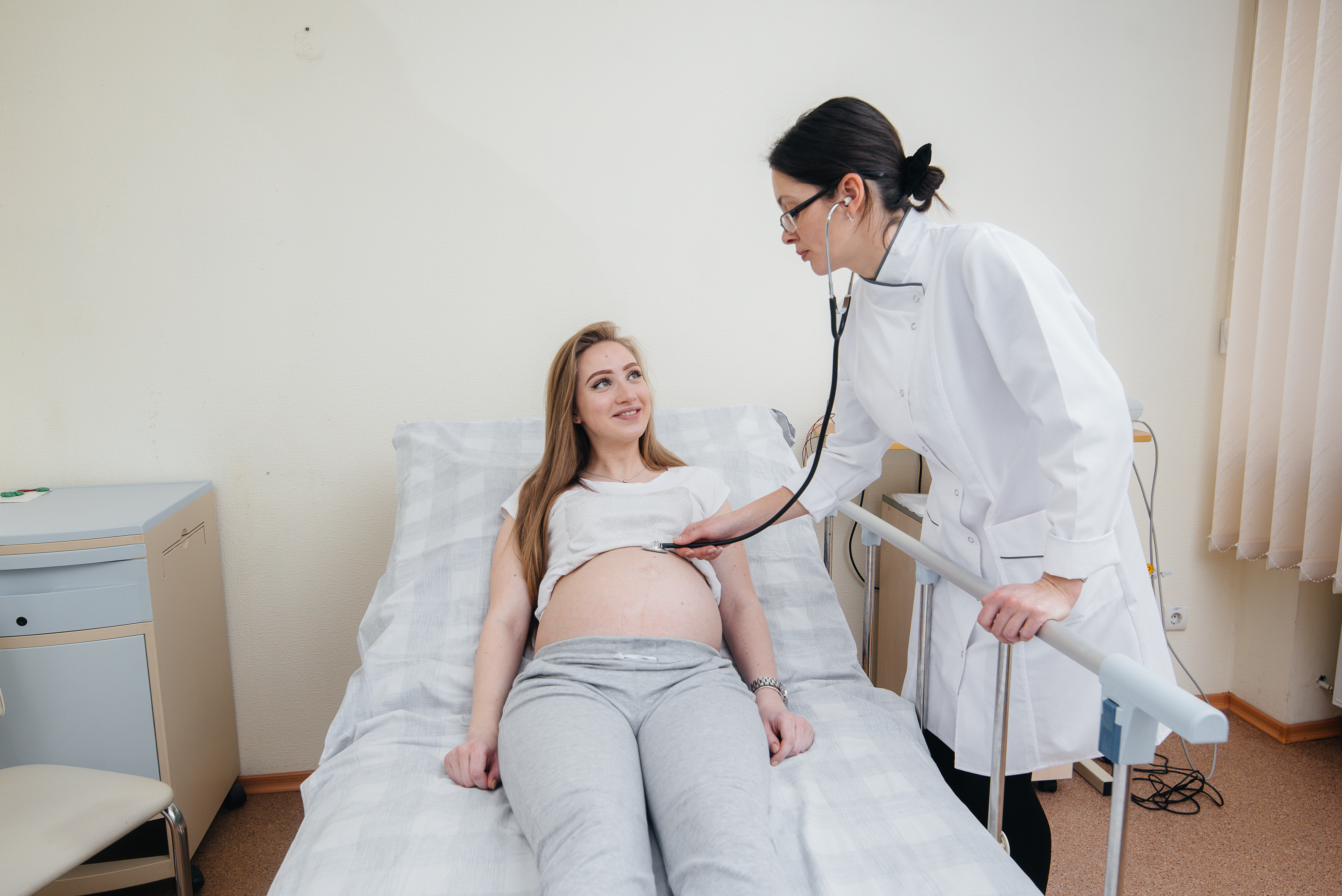
- Understand the process of conception.
- Understand fetal development.
- Describe the physiologic changes in pregnancy, their accompanying discomforts, and appropriate nursing interventions.
- Identify methods for determining gestational age.
- Describe the elements of antenatal, maternal, and fetal assessment.
-
Students mustView
Read Chapter 3, pages 27-30. (5 minutes)
Hesperian Health Guide
-
Students mustView
Read pages 36-41 (5 minutes).
Alemaya University
-
Students mustView
Read the entire webpage. (4 minutes)
NCT
-
Students mustView
Read all the slides and answer the questions.
-
Quiz: Conception and Pregnancy
To access the quiz, click on the name of the quiz provided above. On the following screen, click the Attempt Quiz button to view the case studies and respond to the questions.
TO PASS THIS QUIZ YOU MUST OBTAIN A SCORE OF 80%.
-
Students mustView
Read the entire article (22 minutes).
NCBI -
Students mustView
Read the entire webpage (9 minutes).
Nurseslabs
-
Students mustView
Read the entire article (9 minutes).
Nurseslabs
-
Students mustView
Read the section 'Physiological Changes of Pregnancy' on pages 50-57. (7 minutes)
Alemaya University
-
Students mustViewComplete the activity
In this activity, you can navigate the slides by moving back and forth using the keyboard arrows or swiping left or right if you are using a touch-screen device.
You must answer all questions for the activity to be marked as complete and you will have unlimited attempts to complete the activity.
-
Students mustView
Read all the slides and answer the questions.
-
Quiz: Anatomical, Physiological and Psychological Changes in Pregnancy
To access the quiz, click on the name of the quiz provided above. On the following screen, click the attempt quiz button to view the case studies and respond to the questions.
TO PASS THIS QUIZ YOU MUST OBTAIN A SCORE OF 80%.
-
Students mustView
Read chapters 3.1-3.5 (15 minutes).
Alemaya University
-
Students mustView
Read the entire page (15 minutes).
The Embryo Project at Arizona State University
-
Students mustView
Read page 36-37 (Genotypes and Phenotypes ) and pages 43- 56 (Prenatal Development). (35 minutes)
-
-
Students mustView
Read all the slides and answer the questions.
-
Quiz: Fetal Development and Circulation (Part-I)
To access the quiz, click on the name of the quiz provided above. On the following screen, click the attempt quiz button to view the case studies and respond to the questions.
TO PASS THIS QUIZ YOU MUST OBTAIN A SCORE OF 80%.
-
Students mustView
Read Chapter 3 pages 41-46 (6 minutes).
Alemaya University
-
Students mustView
Read the entire page (2 minutes).
The Johns Hopkins University
-
-
-
Students mustView
Read all the slides and answer the questions.
-
Quiz: Fetal Development and Circulation (Part-II)
To access the quiz, click on the name of the quiz provided above. On the following screen, click the attempt quiz button to view the case studies and respond to the questions.
TO PASS THIS QUIZ YOU MUST OBTAIN A SCORE OF 80%.
-
Students mustView
Read to the end of the section 'Using a Sonogram'. (9 minutes).
Hesperian Health Guide
-
Students mustView
Read the section 'Doing a Pregnancy Test', points L, M, N, and O. (3 minutes).
Bettercare
-
Students mustView
Read the entire page (2 minutes).
Stanford Children's Health
-
Students mustView
Read the section on ‘What is Ectopic pregnancy?’ and ‘What are symptoms of ectopic pregnancy?’ (1 minute).
American College of Obstetricians and Gynecologists
-
-
Quiz: Diagnosis of Pregnancy
To access the quiz, click on the name of the quiz provided above. On the following screen, click the attempt quiz button to view the case studies and respond to the questions.
TO PASS THIS QUIZ YOU MUST OBTAIN A SCORE OF 80%.
-
Students mustView
-
Students mustView
-
-
Students mustView
-
-
Students mustView
-
-
-
Students mustView
Read the sections 1-28 to 1-42 and 1-46 to 1-57. (30 minutes)
Bettercare
-
Students mustView
Read Section under 'Maternal Factors' on pages 53-56. (12 minutes)
-
Students mustView
Read the entire article (21 minutes).
Lippincott Nursing Center
-
Students mustView
Read the entire page (3 minutes).
National Library of Medicine
-
Students mustView
Read the entire page (6 minutes).
National Library of Medicine
-
Students mustViewComplete the activity
In this activity, you can navigate the slides by moving back and forth using the keyboard arrows or swiping left or right if you are using a touch-screen device.
You must answer all questions for the activity to be marked as complete and you will have unlimited attempts to complete the activity.
-
-
Quiz: Prenatal Assessment and Assessment of Risk Factor
To access the quiz, click on the name of the quiz provided above. On the following screen, click the attempt quiz button to view the case studies and respond to the questions.
TO PASS THIS QUIZ YOU MUST OBTAIN A SCORE OF 80%.
-
Students mustView
-
Students mustView
-
Students mustView
-
-
Students mustView
Read the entire page. (18 minutes)
Bettercare
-
Students mustView
Read the entire page. (16 minutes)
Bettercare
-
-
Students mustView
Read the section on ‘Leopold’s Maneuvers’ (3 minutes).
The Global Library of Women's Medicine (GLOWM)
-
Students mustView
Read pages 68-73 and 153 (4 minutes).
Alemaya University
-
Students mustView
Read the entire page (5 minutes).
Stanford Children's Health
-
Students mustView
Read the entire page (3 minutes).
The Nemours Foundation
-
-
-
Quiz: Fetal Assessment
To access the quiz, click on the name of the quiz provided above. On the following screen, click the attempt quiz button to view the case studies and respond to the questions.
TO PASS THIS QUIZ YOU MUST OBTAIN A SCORE OF 80%.
-
Students mustMark as done
Clinical Skills Procedure
-
Students mustView
-
Students mustView
-
-
Students mustView
-
-
Unit 2 Exam Quiz
To access the quiz, click on the name of the quiz provided above. On the following screen, click the attempt quiz button to view the case studies and respond to the questions.
TO PASS THIS QUIZ YOU MUST OBTAIN A SCORE OF 80%.
-
Unit Objectives:
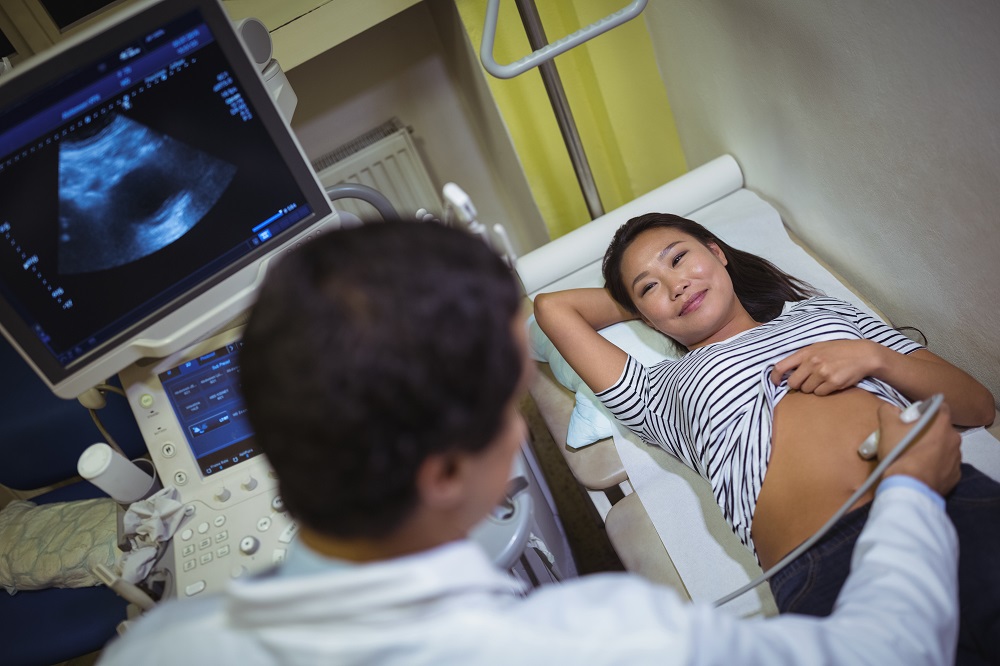
- Identify the nurse’s role in the care of the antepartal woman.
- Describe the nutritional needs of the pregnant and lactating woman.
- Apply holistic principles in the identification and care of a women experiencing IPV.
- Relate the significance of the comprehensive exam, including maternal history, to pregnancy outcomes.
- Explore the role of the nurse in assisting the pregnant woman and her family to prepare for childbirth.
-
Students mustView
Read page 74 (1 minute).
Journal of Obstetric, Gynecologic & Neonatal Nursing
-
-
Students mustView
Read Chapter 6 (pages 1,2 and 3). Click on "NEXT" at the end of each page to proceed to the other page. (27 minutes)
Hesperian Health Guide
-
Read the section on 'Goals to Good Antenatal Care' (1 hour 21 minutes).
Bettercare
Note: This is a supportive document that provides a thorough and complete understanding of antenatal visits.
-
Read all the slides and answer the questions.
-
Quiz: Nursing Care in the Antenatal Period
To access the quiz, click on the name of the quiz provided above. On the following screen, click the attempt quiz button to view the case studies and respond to the questions.
TO PASS THIS QUIZ YOU MUST OBTAIN A SCORE OF 80%.
-
Students mustView
Read the entire page (21 minutes).
Hesperian Health Guides
-
-
-
Students mustView
Read the entire page (6 minutes).
The Office on Women's Health
-
Students mustView
Read the entire page (6 minutes).
American Pregnancy Association
-
Read the entire article (6 minutes).
National Institutes of Health
-
Read the entire page (5 minutes).
CDC
-
Read all the slides and answer the questions.
-
Quiz: Nutrition During Pregnancy and Lactation
To access the quiz, click on the name of the quiz provided above. On the following screen, click the attempt quiz button to view the case studies and respond to the questions.
TO PASS THIS QUIZ YOU MUST OBTAIN A SCORE OF 80%.
-
10.9 KB
-
Quiz: Nutrition During Pregnancy and lactation (old)
To access the quiz, click on the name of the quiz provided above. On the following screen, click the "Preview quiz now" button to respond to the questions.
-
Students mustView
Read the book (12 minutes).
WHO
-
-
Students mustView
Read the entire article (16 minutes).
NCBI
-
Students mustView
Read the Results Section 4.1 'The Role of Nurses in Caring for Women Who Have Experienced IPV'. (9 minutes)
Wiley (Hindawi)
-
Students mustView
Refer to Figure 1. 'Care Pathway for Intimate Partner Violence (IPV)' on page 24 and Figure 2. 'Woman Presents Following Sexual Assault' on page 34. (8 minutes).
WHO
-
Students mustView
Read all the slides and answer the questions.
-
Quiz: Intimate Partner Violence
To access the quiz, click on the name of the quiz provided above. On the following screen, click the attempt quiz button to view the case studies and respond to the questions.
TO PASS THIS QUIZ YOU MUST OBTAIN A SCORE OF 80%.
-
-
Students mustView
'Read the section on ' History taking ' (A-D). (8 minutes)
Bettercare
-
Students mustView
Read the entire chapter.
Hesperian Health Guides
-
-
Quiz: Maternal History
To access the quiz, click on the name of the quiz provided above. On the following screen, click the attempt quiz button to view the case studies and respond to the questions.
TO PASS THIS QUIZ YOU MUST OBTAIN A SCORE OF 80%.
-
Students mustView
Read sections ‘Check the mother’s body’ and ‘Check the baby’. (28 minutes).
Hesperian Health Guides
-
Students mustView
Read the entire page (16 minutes).
Bettercare
-
Students mustView
Read the section ‘Examination of the patient’ from E - J. (13 minutes)
Bettercare
-
-
Students mustViewComplete the activityReceive a gradeIn this activity, you can navigate the slides by moving back and forth using the keyboard arrows or swiping left or right if you are using a touch-screen device.
You must answer all questions for the activity to be marked as complete and you will have unlimited attempts to complete the activity.
-
Quiz: Maternal Physical Exam
To access the quiz, click on the name of the quiz provided above. On the following screen, click the attempt quiz button to view the case studies and respond to the questions.
TO PASS THIS QUIZ YOU MUST OBTAIN A SCORE OF 80%.
-
Students mustView
-
-
Students mustView
-
-
Students mustView
-
-
Students mustView
-
Students mustView
-
-
Students mustView
-
-
Students mustView
Read article or page (37 minutes).
SciELO - Scientific Electronic Library Online
-
Students mustView
Read the entire article (37 minutes).
University of Calgary
-
Students mustView
Read the entire document. (2 minutes)
Durham Safeguarding Children Partnership
-
-
-
-
Students mustView
Read the entire article (42 minutes).
Journal of Family Nursing
-
-
-
Quiz: Family Interview
To access the quiz, click on the name of the quiz provided above. On the following screen, click the attempt quiz button to view the case studies and respond to the questions.
TO PASS THIS QUIZ YOU MUST OBTAIN A SCORE OF 80%.
-
Students mustView
Read the entire page ( 4 minutes).
Maternity Worldwide
-
Students mustView
Read the contents under headings ‘Recommendations’ and ‘Introduction’ from 24-30, 28-32, 36. (1 hour 13 minutes)
WHO
-
-
-
Students mustView
Read the section ‘Main Results’. (3 minutes).
Cochrane Library
-
Students mustViewComplete the activityReceive a grade
In this activity, you can navigate the slides by moving back and forth using the keyboard arrows or swiping left or right if you are using a touch-screen device.
You must answer all questions for the activity to be marked as complete and you will have unlimited attempts to complete the activity.
-
-
Quiz: Birth Preparedness
To access the quiz, click on the name of the quiz provided above. On the following screen, click the attempt quiz button to view the case studies and respond to the questions.
TO PASS THIS QUIZ YOU MUST OBTAIN A SCORE OF 80%.
-
Unit 3 Exam Quiz
To access the quiz, click on the name of the quiz provided above. On the following screen, click the attempt quiz button to view the case studies and respond to the questions.
TO PASS THIS QUIZ YOU MUST OBTAIN A SCORE OF 80%.
-
Unit Objectives:

- Identify the stages of the delivery process.
- Explore methods of pain management in labor.
- Identify the key factors for assessment of the fetus during labor.
- Identify the nurse’s role in the care of the laboring woman.
-
Students mustView
Read the entire chapter (28 minutes).
Hesperian Health Guides
-
Students mustView
Read the entire page. (24 minutes)
Bettercare
-
Students mustView
Read the sections on ‘Definition of Labor ‘ and ‘Maternal Ambulation and Position’. (5 minutes)
The Global Library of Women's Medicine
-
Students mustView
Read the sections from ‘Fetal Lie’ to ‘Fig.7’ (23 minutes).
The Global Library of Women's Medicine
-
Students mustView
Read the contents of G, H, I, K, and L. (5 minutes)
Bettercare
-
Students mustView
Read all the slides and answer the questions.
-
Quiz: Overview of the Labor and Birth Process
To access the quiz, click on the name of the quiz provided above. On the following screen, click the attempt quiz button to view the case studies and respond to the questions.
TO PASS THIS QUIZ YOU MUST OBTAIN A SCORE OF 80%.
-
Students mustView
-
-
Students mustView
-
-
Students mustView
Read Section 3: Procedure from P-1 to P-13 (19 minutes).
WHO
-
-
-
Students mustView
Watch the video (11 minutes 52 seconds).
Geneva University Hospitals
-
-
Students mustView
Read all the slides and answer the questions.
-
Quiz: Pain Management in Labor
To access the quiz, click on the name of the quiz provided above. On the following screen, click the attempt quiz button to view the case studies and respond to the questions.
TO PASS THIS QUIZ YOU MUST OBTAIN A SCORE OF 80%.
-
-
Assessment: Fetal Monitoring Quiz
FHR Video.
Complete Learning 1 activity:
https://de.ryerson.ca/games/nursing/maternity/labour-and-delivery/modules.html?m=3
To access the quiz, click on the name of the quiz provided above. On the following screen, click the "Preview quiz now" button to respond to the questions.
-
-
Students mustView
Read pages 79-93 (14 minutes).
Alemaya University
-
Students mustView
Read the entire page (50 minutes).
Bettercare
-
Students mustView
Read all the slides and answer the questions.
-
Quiz: Nursing Care During First Stage of Labor
To access the quiz, click on the name of the quiz provided above. On the following screen, click the attempt quiz button to view the case studies and respond to the questions.
TO PASS THIS QUIZ YOU MUST OBTAIN A SCORE OF 80%.
-
Students mustView
-
Students mustView
-
-
-
Students mustView
Read pages C98-100 (3 minutes).
WHO
-
Students mustView
Read the entire Chapter 12. Click "NEXT" at the end of each page to go to the other page of the chapter (47 minutes).
Hesperian Health Guides
-
Students mustView
Read the entire Chapter 24. Click "NEXT" at the end of each page to go to the other page of the chapter (23 minutes).
Hesperian Health Guides
-
Students mustView
'Read the sections on 'Station' and 'Cardinal Movements of Labor.' (6 minutes)
The Global Library of Women’s Medicine’s
-
Students mustView
Read page 94 (1 minute).
Alemaya University
-
-
-
Students mustView
Watch the video. (5 minutes 12 seconds)
University of South Wales
-
Students mustView
Watch the video (6 minutes).
Global Health Media
-
Students mustView
Read all the slides and answer the questions.
-
Quiz: Nursing Care During Second Stage of Labor
To access the quiz, click on the name of the quiz provided above. On the following screen, click the attempt quiz button to view the case studies and respond to the questions.
TO PASS THIS QUIZ YOU MUST OBTAIN A SCORE OF 80%.
-
Students mustView
-
-
Students mustView
-
-
Students mustMark as done
-
-
-
Students mustView
Read the entire book (35 minutes).
The Global Library of Women's Medicine (GLOWM)
-
Students mustView
Watch the video (7 minutes 12 seconds).
MedicalAidFilms
-
Students mustView
Read all the slides and answer the questions.
-
Quiz: Nursing Care During Third Stage of Labor
To access the quiz, click on the name of the quiz provided above. On the following screen, click the attempt quiz button to view the case studies and respond to the questions.
TO PASS THIS QUIZ YOU MUST OBTAIN A SCORE OF 80%.
-
Students mustView
-
-
Students mustView
-
-
Students mustView
-
-
-
-
Students mustView
Read pages C105-107 (4 minutes).
WHO
-
Students mustView
Read pages B10-B12 and D19-D25 of the book (26 minutes).
WHO
-
Students mustView
Read the entire page (13 minutes).
Hesperian Health Guides
-
Students mustView
Read the entire page (3 minutes).
Royal College of Obstetricians and Gynaecologists
-
Students mustViewComplete the activityReceive a grade
In this activity, you can navigate the slides by moving back and forth using the keyboard arrows or swiping left or right if you are using a touch-screen device.
You must answer all questions for the activity to be marked as complete and you will have unlimited attempts to complete the activity.
-
Students mustView
Read all the slides and answer the questions.
-
Quiz: Nursing Care During Fourth Stage of Labor
To access the quiz, click on the name of the quiz provided above. On the following screen, click the attempt quiz button to view the case studies and respond to the questions.
TO PASS THIS QUIZ YOU MUST OBTAIN A SCORE OF 80%.
-
-
-
-
Students mustMark as done
-
Unit 4 Exam Quiz
To access the quiz, click on the name of the quiz provided above. On the following screen, click the "Preview quiz now" button to respond to the questions.
-
Unit Objectives:
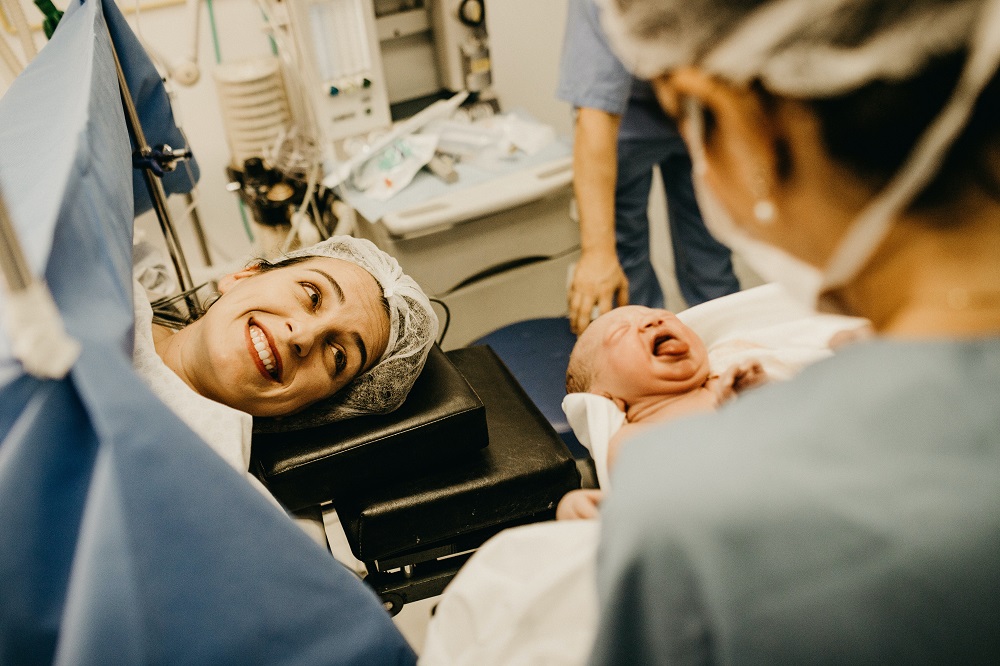
- Identify the physical and emotional changes during the postpartum period.
- Identify nursing interventions related to safe vaginal and surgical birth.
- Identify the needs and care of the term newborn infant.
- Explore the nurse’s role in promoting successful breastfeeding.
- Explore the needs of the patient who has experienced a perinatal loss.
-
Students mustView
Read the entire page (12 minutes).
Hesperian Health Guides
-
Students mustView
Read pages C105-110, and C17-20 (17 minutes).
WHO
-
Students mustView
Read pages D26 -D28, G2, G4, and K3 (20 minutes).
WHO
-
-
Students mustView
Read pages 3-5, 13 - 33 of the document (1 hour 23 minutes).
WHO
-
-
-
-
Students mustView
Read section 14-1 to 14-4. (3 minutes)
Bettercare
-
Students mustView
Read page 10-11(4 minutes).
Registered Nurses' Association of Ontario
-
Students mustView
Read all the slides and answer the questions.
-
Quiz: Postnatal Nursing Care for Vaginal Delivery
To access the quiz, click on the name of the quiz provided above. On the following screen, click the attempt quiz button to view the case studies and respond to the questions.
TO PASS THIS QUIZ YOU MUST OBTAIN A SCORE OF 80%.
-
Students mustView
-
-
Students mustView
-
-
-
Students mustView
Read pages C71-75 (8 minutes).
WHO
-
-
Students mustView
Read all the slides and answer the questions.
-
Quiz: Postnatal Care for Cesarean Section Mothers
To access the quiz, click on the name of the quiz provided above. On the following screen, click the attempt quiz button to view the case studies and respond to the questions.
TO PASS THIS QUIZ YOU MUST OBTAIN A SCORE OF 80%.
-
-
-
Students mustView
Read the entire page (1 hour 55 minutes).
La Leche League International
-
Students mustView
Read pages 31-34 (4 minutes).
Alemaya University
-
-
Students mustView
Read the entire Chapter 7 (45 minutes).
Hesperian Health Guides
-
Read the entire book ( 4 hours 4 minutes).
Registered Nurses' Association of Ontario
-
Read all the slides and answer the questions.
-
Quiz: Breastfeeding
To access the quiz, click on the name of the quiz provided above. On the following screen, click the attempt quiz button to view the case studies and respond to the questions.
TO PASS THIS QUIZ YOU MUST OBTAIN A SCORE OF 80%.
-
-
Students mustView
-
-
Students mustView
-
-
Students mustView
-
Students mustView
-
-
Students mustView
-
-
Students mustView
-
-
Students mustView
Read the entire article (2 hours 25 minutes).
American Academy of Pediatrics
-
Students mustView
Watch the video (7 minutes 12 seconds).
Global Health Media Project
-
-
Students mustView
Read the entire chapter ‘Newborn Babies and Breastfeeding’ (53 minutes).
Hesperian Health Guides
-
Students mustView
Read the entire page (6 minutes).
Hesperian Health Guides
-
Students mustView
Read pages C100, C101, C105, and C107-114 (18 minutes).
WHO
-
-
Students mustView
Read the entire page (4 minutes).
The Nemours Foundation
-
Students mustView
Watch the video (11 minutes 19 seconds).
Global Health Media Project
-
Students mustView
Watch the video (8 minutes 42 seconds).
MedicalAidFilms
-
Students mustView
Watch the video (8 minutes 57 seconds).
MedicalAidFilms
-
Students mustView
Watch the video (6 minutes 55 seconds).
Global Health Media
-
-
Students mustView
Read the entire article (5 minutes).
U.S. Department of Health and Human Services
-
-
Students mustView
Watch the video (5 minutes 40 seconds).
RegisteredNurseRN -
-
Students mustView
Download ‘Table 1: WHO recommendations for routine immunization’ and read all contents (1 hour 11 minutes).
WHO
-
-
Students mustView
Read all the slides and answer the questions.
-
Quiz: Newborn Care and Immunization
To access the quiz, click on the name of the quiz provided above. On the following screen, click the attempt quiz button to view the case studies and respond to the questions.
TO PASS THIS QUIZ YOU MUST OBTAIN A SCORE OF 80%.
-
-
Students mustView
-
-
-
Students mustView
-
-
Students mustView
-
Students mustView
-
-
Students mustView
-
Students mustView
-
-
Students mustView
-
-
-
Students mustView
-
-
Students mustView
-
-
Students mustView
-
-
Students mustView
-
Students mustView
-
-
Students mustView
-
-
Students mustView
-
-
Students mustView
-
-
Students mustView
-
-
Students mustView
Read pages xii - xiii, 1-9, 11-17, 29-40, 49-56, 58-60, 65-68, 71-73, 75-86, 97-103, 105-109, 119-141.
WHO -
Students mustView
Read Ch. 10, Ch. 12, Ch. 13, Ch. 14, Ch. 15, Ch. 16. Ch. 17, Ch 18, Ch. 19, Ch. 20.
WHO -
Students mustViewComplete the activityReceive a grade
In this activity, you can navigate the slides by moving back and forth using the keyboard arrows or swiping left or right if you are using a touch-screen device.
You must answer all questions for the activity to be marked as complete and you will have unlimited attempts to complete the activity.
-
Students mustView
-
Students mustView
-
Quiz: Family Planning - Hormonal Method
To access the quiz, click on the name of the quiz provided above. On the following screen, click the attempt quiz button to view the case studies and respond to the questions.
TO PASS THIS QUIZ YOU MUST OBTAIN A SCORE OF 80%.
-
Quiz: Family Planning - Non-Hormonal Method
To access the quiz, click on the name of the quiz provided above. On the following screen, click the attempt quiz button to view the case studies and respond to the questions.
TO PASS THIS QUIZ YOU MUST OBTAIN A SCORE OF 80%.
-
-
Quiz: Perinatal Loss and Grief
To access the quiz, click on the name of the quiz provided above. On the following screen, click the attempt quiz button to view the case studies and respond to the questions.
TO PASS THIS QUIZ YOU MUST OBTAIN A SCORE OF 80%.
-
Unit 5 Exam Quiz
To access the quiz, click on the name of the quiz provided above. On the following screen, click the "Preview quiz now" button to respond to the questions.
-
Unit Objectives:

- Explore the physical, social, and psychological factors that contribute to a high-risk pregnancy.
- Identify standard management of patients with high-risk pregnancies.
- Demonstrate teaching methods to help patients with high-risk pregnancies participate in their care to achieve positive health outcomes.
- Identify the nurse’s role in reducing the risk in high-risk pregnancies.
-
Students mustView
Read the entire page (51 minutes).
Bettercare
-
Students mustView
Read sections from ‘Check the mother’s blood’ to the end of ‘Check for signs of pre-eclampsia (toxemia of pregnancy)’ (13 minutes).
Hesperian Health Guides
-
Students mustViewRead the ‘Recommendations’ section from pages 9 to 15 (26 minutes).
WHO -
Students mustView
Read the entire page (6 minutes).
Pregnancy, Birth, and Baby
-
Students mustView
Read the entire article (50 minutes).
Journal of Clinical Medicine
-
Students mustView
Read all the slides and answer the questions.
-
Quiz: Hypertension and Pregnancy
To access the quiz, click on the name of the quiz provided above. On the following screen, click the attempt quiz button to view the case studies and respond to the questions.
TO PASS THIS QUIZ YOU MUST OBTAIN A SCORE OF 80%.
-
-
Students mustView
Read the entire page (13 minutes).
Merck and the Merck Manuals
-
Students mustView
Read the entire page (8 minutes).
NHS
-
-
-
Quiz: Diabetes Mellitus During Pregnancy
To access the quiz, click on the name of the quiz provided above. On the following screen, click the attempt quiz button to view the case studies and respond to the questions.
TO PASS THIS QUIZ YOU MUST OBTAIN A SCORE OF 80%.
-
-
-
-
Students mustView
Download Chapter 7 and read sections 7.1.2-7.1.3 and 7.2.2 (45 minutes)
WHO
-
-
Quiz: HIV and Pregnancy
To access the quiz, click on the name of the quiz provided above. On the following screen, click the attempt quiz button to view the case studies and respond to the questions.
TO PASS THIS QUIZ YOU MUST OBTAIN A SCORE OF 80%.
-
Students mustView
Read pages S17-19 (6 minutes).
WHO
-
Students mustView
Read contents from General Information About Gestational Trophoblastic Disease to the end of ‘Hydatidiform Mole Management’ (23 minutes).
NIH
-
-
Students mustView
Read ‘Diagnosis and Management’ section - Evacuation to Prophylactic Chemotherapy (1 hour 51 minutes).
The Global Library of Women's Medicine (GLOWM)
-
Students mustView
Read pages S15-17, P81-82, and P129-131 (13 minutes).
WHO
-
-
Students mustView
Read the section on ‘Surgical Management’ (10 minutes).
The Global Library of Women's Medicine
-
Students mustView
Read all the slides and answer the questions.
-
Quiz: Hydatidiform Mole and Ectopic Pregnancy
To access the quiz, click on the name of the quiz provided above. On the following screen, click the attempt quiz button to view the case studies and respond to the questions.
TO PASS THIS QUIZ YOU MUST OBTAIN A SCORE OF 80%.
-
-
-
-
-
-
-
-
-
-
-
Students mustView
Read the entire page (1 hour 41 minutes).
The Global Library of Women's Medicine
-
Students mustView
Read all the slides and answer the questions.
-
Quiz: Infection during Pregnancy
To access the quiz, click on the name of the quiz provided above. On the following screen, click the attempt quiz button to view the case studies and respond to the questions.
TO PASS THIS QUIZ YOU MUST OBTAIN A SCORE OF 80%.
-
Students mustView
Read the entire article (15 minutes).
Wiley Online Library
-
Students mustView
Read the entire article (20 minutes).
American Society of Hematology Publications
-
Students mustView
Read the entire page (4 minutes).
Merck Manuals
-
-
-
Quiz: Hematological Disorders During Pregnancy
To access the quiz, click on the name of the quiz provided above. On the following screen, click the attempt quiz button to view the case studies and respond to the questions.
TO PASS THIS QUIZ YOU MUST OBTAIN A SCORE OF 80%.
-
-
Students mustView
Read the entire page on 'Sewing a tear or an episiotomy', Chapter 19 (18 minutes).
Hesperian Health Guides
-
Students mustView
Read the entire page (1 minute).
American Pregnancy Association
-
Students mustView
Read all the slides and answer the questions.
-
Quiz: Fetal Dystocia and Laceration
To access the quiz, click on the name of the quiz provided above. On the following screen, click the attempt quiz button to view the case studies and respond to the questions.
TO PASS THIS QUIZ YOU MUST OBTAIN A SCORE OF 80%.
-
Students mustView
Read pages S26-28 (4 minutes).
WHO
-
-
Students mustView
Read the section on ‘Antepartum bleeding caused by placenta previa’ from 4-24 to 4-37 (8 minutes).
-
Students mustView
Read the entire page (38 minutes)
The Global Library of Women's Medicine
-
Students mustView
Read the sections on ‘Placenta accreta’ and ‘Vasa previa’ (5 minutes).
Royal College of Obstetricians and Gynaecologists
-
Students mustView
Read the third and fourth paragraphs of the 'COMPLICATIONS' section. (2 minutes).
The Global Library of Women's Medicine
-
-
Students mustView
Read the ‘Executive summary’ section (3 minutes).
Royal College of Obstetricians and Gynaecologists
-
Students mustView
Read all the slides and answer the questions.
-
Quiz: Placenta Previa/Accreta/Increta/Percreta & Vasa Previa
To access the quiz, click on the name of the quiz provided above. On the following screen, click the attempt quiz button to view the case studies and respond to the questions.
TO PASS THIS QUIZ YOU MUST OBTAIN A SCORE OF 80%.
-
Students mustView
Read page S23 (2 minutes).
WHO
-
Students mustView
Read page S147, the section on ‘Antibiotic’, the second bullet point (1 minute).
WHO
-
-
Students mustView
Read the entire article on Chorioamnionitis (10 minutes).
NCBI
-
Students mustView
Read the section ‘Chorioamnionitis’- 12-33 to 12-35 (3 minutes).
Bettercare
-
Students mustView
Read up to the section ‘NEONATAL OUTCOME’ (30 minutes).
The Global Library of Women's Medicine
-
Students mustView
Read all the slides and answer the questions.
-
Quiz: Placental Abruption and Chorioamnionitis
To access the quiz, click on the name of the quiz provided above. On the following screen, click the attempt quiz button to view the case studies and respond to the questions.
TO PASS THIS QUIZ YOU MUST OBTAIN A SCORE OF 80%.
-
Students mustView
Read pages S144-148 (8 minutes).
WHO
-
-
-
Students mustView
Read the entire page (42 minutes).
Bettercare
-
-
Quiz: Preterm Labor
To access the quiz, click on the name of the quiz provided above. On the following screen, click the attempt quiz button to view the case studies and respond to the questions.
TO PASS THIS QUIZ YOU MUST OBTAIN A SCORE OF 80%.
-
Students mustView
Read pages C97-98, and S81-S97 (26 minutes).
WHO
-
Students mustView
Read the section on ‘Poor progress in the active phase of the first stage of labour’ starting from 8-22 to 8-30 (11 minutes).
Bettercare
-
-
Quiz: Poor Progress of Labor
To access the quiz, click on the name of the quiz provided above. On the following screen, click the attempt quiz button to view the case studies and respond to the questions.
TO PASS THIS QUIZ YOU MUST OBTAIN A SCORE OF 80%.
-
Students mustView
Read pages P 17-31 (27 minutes).
WHO
-
Students mustView
Read the entire page and watch the video at the end (9 minutes).
NHS
-
Students mustView
Read the entire article (25 minutes).
The Global Library of Women's Medicine
-
Students mustView
-
Quiz: Induction and Augmentation of Labor
To access the quiz, click on the name of the quiz provided above. On the following screen, click the attempt quiz button to view the case studies and respond to the questions.
TO PASS THIS QUIZ YOU MUST OBTAIN A SCORE OF 80%.
-
Students mustView
Read content from ‘Pharmacotherapies’ and ‘Behavioral Therapies’. (18 minutes)
National Institute of Drug Abuse
-
Students mustView
Read section ‘Health Risk Associated With Alcohol and Tobacco Use’. (2 minutes)
National Institute on Alcohol Abuse and Alcoholism
-
Students mustView
Read contents from ‘What are the other health consequences of drug addiction?’ to ‘how can addiction harm other people?’. (3 minutes)
National Institute on Drug Abuse
-
Students mustView
Read section on ‘Social drugs during pregnancy’ and ‘Illicit drugs during Pregnancy’. (8 minutes)
Merk Manual
-
-
Students mustView
Read the entire page. (6 minutes)
National Institute on Drug Abuse
-
Students mustView
-
Quiz: Substance Abuse and Pregnancy
To access the quiz, click on the name of the quiz provided above. On the following screen, click the attempt quiz button to view the case studies and respond to the questions.
TO PASS THIS QUIZ YOU MUST OBTAIN A SCORE OF 80%.
-
Students mustView
Read the entire page. (3 minutes)
U.S National Library of Medicine, MedlinePlus
-
Students mustView
Read all content before ‘Illegal drugs’. (3 minutes)
National Institute of Drug Abuse
-
Students mustView
Read the section “ Substance use Disorder Treatment Admission;, ‘Substance Use Disorder Treatment for Mothers and Their Babies While Pregnant or Breastfeeding’ and ‘Treating opioids use disorder in pregnant women. (4 minutes)
National Institute ot Drug Abus
-
Students mustView
Read content on ‘Illegal and non-prescribed drugs’ and ‘Alcohol’. (3 minutes)
Queensland Government
-
Students mustView
Read the entire page. (2 minutes)
The Royal Women’s Hospital Victoria Australia
-
-
Students mustViewRead section ‘Alcohol’. (1 minute)
Government of Western Australia, Department of Health -
Students mustView
Read the entire page. (3 minutes)
The Royal Women’s Hospital , Victoria Australia
-
Students mustView
-
Quiz: Substance Abuse and Neonatal Health
To access the quiz, click on the name of the quiz provided above. On the following screen, click the attempt quiz button to view the case studies and respond to the questions.
TO PASS THIS QUIZ YOU MUST OBTAIN A SCORE OF 80%.
-
Unit 6 Exam Quiz
To access the quiz, click on the name of the quiz provided above. On the following screen, click the "Preview quiz now" button to respond to the questions.
-
Students mustMark as done
-

To take the final exam, you must complete all quizzes and complete all the required activities.
To access the exam, click on the name of the exam provided above. On the following screen, click the Attempt Quiz button to respond to the questions.
-
Final Exam 1 Quiz
-
Final Exam 2 Quiz
-
-
 In this section, you can provide feedback about this course to help us make NextGenU.org better. Once evaluations are completed, you will be able to download your certificate of completion.
-
Course Evaluation Questionnaire
-
Self Evaluation Questionnaire
-
-
-
Students mustMark as done
-
-
