-
Introduction
Show More Show LessThis Fundamentals of Nursing course provides information and instructions on foundational concepts and principles of nursing care and essential nursing skills required for the provision of safe, respectful, and holistic client care. The goal is to provide a strong foundation in nursing theory, critical thinking and clinical judgment, evidence-based practice, and safe clinical care in all settings.
-
Students mustStudent must submit this questionnaire to complete it
Show More-


DISCLAIMER: This content is designed to enhance the study of nursing. This content is generic and is not designed to take into account the specific objectives, needs, and/or circumstances of any particular region or country. To become a nurse, learners must successfully complete a program of study approved by the government or state-regulatory agency in their place of residence. We cannot guarantee that the successful completion of these materials will enable you to practice in your place of residence. Make sure that you are in compliance with the scope of practice of your regulatory body before attempting to put into use or practice any of the knowledge gained.
This Fundamentals of Nursing course provides information and instructions on foundational concepts and principles of nursing care and essential nursing skills required for the provision of safe, respectful, and holistic client care. The goal is to provide a strong foundation in nursing theory, critical thinking and clinical judgment, evidence-based practice, and safe clinical care in all settings.
The global nursing scope of practice varies widely depending on the country, the national and regional government, and professional regulatory agencies. In an attempt to be relevant to the entire global nursing community, this course addresses nursing skills and practice on several levels. It is the nurse’s responsibility to know what particular regulations apply to their area of practice.
The Fundamentals of Nursing course is a competency-based course developed in partnership with Nurses International (NI) and NextGenU.org (NGU). Competencies were developed in collaboration with subject matter experts in nursing education and practice. The Essentials: Core Competencies for Professional Nursing Education direct the course objectives. The course uses learning resources from accredited world-class organizations such as the U.S. Centers for Disease Control and Prevention (CDC), the U.S. National Institutes of Health, the World Health Organization, universities, international guidelines, peer-reviewed journals, and credible open-access nursing books. The Moodle Learning Management System (LMS) is utilized for facilitating distance learning. The course was designed by NextGenU’s Instructional Design team and Nurses International’s team members Kathleen Capone MS, RN CNE, EdD; Stephanie Marfurt APRN-BC, ARNP-BC; Renee Marg DNP, MSN-ED, RN; Teresa Darnall, DM, MSN, RN, CNE; Emily Pappa MSN, RN; Betsy Woods MSN, RN, CPEN; Chasya Wiseman DNP, RN, CMSRN; Sara Bohling MSN, RN, APRN-NCNS; Caitlin Cartmell MFS, BSN, RN; Jordan Wilson MSN, RN-BC, NPD-BC, and Bethania Gonzalez MSN, FNP-BC, RN.

There are 8 units/modules to complete, which include:
- Unit 1: Understanding Health Care
- Unit 2: Foundational Principles in the Management of Nursing Practice
- Unit 3: Safe and Effective Care
- Unit 4: Holistic Care
- Unit 5: Health Across Life Span
- Unit 6: Nursing Skill Functions
- Unit 7: Supporting Physiologic Functioning
- Unit 8: Nursing Communities and Populations
Nurse educators may contact info@nursesinternational.org with queries/permission to access faculty files for this course.
Instructions:
The course consists of eight (8) learning units. Included in the units are individual lessons with accompanying assigned reading resources, PowerPoint presentations with speaker notes, learner self-assessments, related clinical skills procedures/videos, and interactive clinical judgment learning activities. A passing grade of 80% is required on quizzes and unit exams to gain access to the next lesson or section.
There is a 50-question multiple-choice exam at the end of the course. A grade of 80% is required. If a grade of 80% is not achieved, the learner may self-remediate and take another exam. The second exam is of comparable content, and 80% is required for a passing grade.
A certificate of completion may be downloaded upon the successful completion of the course.
Engaging with this course:
Learners may take this course at no cost for their personal enrichment. There are no course prerequisites.
To obtain a certificate, the learner must successfully complete:
- All of the reading requirements;
- All of the quizzes and unit exams with a passing grade of 100%;
- All of the activities and case studies;
- The final exam with a minimum of 80% and a maximum of 2 attempts, and
- The self and course evaluation forms.
NextGenU.org is happy to provide your institution with:- A link to and a description of the course training, so that they can see all of its components, including the co-sponsoring universities and other professional organization co-sponsors;
- Your grade on the final exam;
- Your work products (e.g., case study activities) and any other required or optional shared materials that you produce and authorize to share with them;
- Your evaluations - course and self-assessments;
- A copy of your certificate of completion.
To obtain a degree:NextGenU.org co-sponsors degree programs with institutional partners. To obtain a full degree co-sponsored with NextGenU.org, registrants must be enrolled in a degree program as a student of a NextGenU.org institutional partner. If you think that your institution might be interested in offering a degree with NextGenU.org, please feel free to contact us.
We hope that you will find this a rewarding learning experience, and we count on your assessment and feedback to help us improve this training for future students.
For nurse educators:
-
There are teacher resources for this course, including didactic and clinical syllabi, a teacher’s guide, and suggested teaching activities.
Disclaimer: This content is designed to enhance the study of nursing. This content is generic and is not designed to take into account the specific objectives, needs, and/or circumstances of any particular region or country. To become a nurse, learners must successfully complete a program of study approved by the government or state-regulatory agency in their place of residence. We cannot guarantee that the successful completion of these materials will enable you to practice in your place of residence. Make sure that you are in compliance with the scope of practice of your regulatory body before attempting to put into use or practice any of the knowledge gained.
Subscribe to our newsletter to be notified of future updates, new courses, and to be part of our community. -
Unit Objectives:

Understand the regulation of the profession of nursing.
Identify the roles of health professionals within the healthcare system.
Compare the scope of practice for the RN within various countries.
Identify the impact of health beliefs as they relate to client care.
Discuss the relevance of client-centered care.-
Students mustView
Read the entire article. (3 minutes)
International Council of Nurses
-
Students mustMark as done
Read the contents under the section "Current status of evidence in 2020" on page 8. (3 minutes)
World Health Organization
-
Students mustMark as done
Read the contents under the section "Comparison between profession and occupation" on page 13. (1 minute)
"Introduction to Professional Nursing and Ethics" by Addis Ababa University
-
Students mustView
Read the first two paragraphs of the article. (2 minutes)
GALLUP
-
Students mustMark as done
Read the contents under the section "Role of the professional nurse" on pages 14-15. (2 minutes)
"Introduction to Professional Nursing and Ethics" by Addis Ababa University
-
Students mustMark as done
Read the entire article. (5 minutes)
Arkansas State University
-
Students mustView
Read the entire article. (4 minutes)
Oncology Nursing News
-
Students mustMark as done
Read paragraph 7 of the article. (1 minute)
American Association of Colleges of Nursing
-
Students mustMark as done
Read the first 4 paragraphs of the article. (1 minute)
American Nurses Association
-
Students mustMark as done
Read the entire article. (3 minutes)
Australian Nursing and Midwifery Federation -
Students mustMark as done
Read the entire article. (2 minutes)
Nursing Association of Nepal
-
Students mustView
-
Quiz: Unit 1.1
To access the quiz, click on the name of the quiz provided above. On the following screen, click the attempt quiz button to view the case studies and respond to the questions.
TO PASS THIS QUIZ YOU MUST OBTAIN A SCORE OF 80%.
-
Students mustView
Read the content under the section “Chapter 1: Overview Regulation and Regulatory Principles.” (22 minutes)
ICN
-
Students mustView
Read the content under the table on the first page. (13 minutes)
ICN, 2020
-
Students mustView
Read the content under the section "Numbers and Distribution of Graduate-Level Nurses" under the heading "GRADUATE NURSING EDUCATION." (5 minutes)
Institute of Medicine (IOM)
-
Students mustView
Read the entire article. (18 minutes)
Nurse.Org. (2020)
-
Students mustView
-
Quiz: Unit 1.2
To access the quiz, click on the name of the quiz provided above. On the following screen, click the attempt quiz button to view the case studies and respond to the questions.
TO PASS THIS QUIZ YOU MUST OBTAIN A SCORE OF 80%.
-
Students mustMark as done
Read the definition of the "healthcare delivery system." (1 minute)
Oxford University Press
-
Students mustMark as done
Read paragraph 4 on page 105. (1 minute)
World Health Organization
-
Students mustMark as done
Read the entire article. (10 minutes)
New Mexico Nursing Education Consortium 2020
-
Students mustMark as done
Read the entire article. (7 minutes)
Student British Medical Journal
-
Students mustMark as done
Read the entire article. (20 minutes)
Background Paper - 26, World Health Organization Report (2010)
-
Students mustMark as done
Read the entire article. (3 minutes)
American Academy of Family Physicians
-
Students mustMark as done
Read all of the contents on page 3. (3 minutes)
National League for Nursing Board of Governors
-
Students mustMark as done
Read the titles of the different types of health workers in the first column and their respective responsibilities in the last column of the table. (20 minutes)
World Health Organization
-
Students mustView
-
Quiz: Unit 1.3
To access the quiz, click on the name of the quiz provided above. On the following screen, click the attempt quiz button to view the case studies and respond to the questions.
TO PASS THIS QUIZ YOU MUST OBTAIN A SCORE OF 80%.
-
Students mustView
Read the contents under the section "Health Belief Model" on pages 13-14. (5 minutes)
National Cancer Institute, US Department of Health and Human Services
-
Students mustView
Read all of the definitions under the section "What is Culture." (4 minutes)
University of Minnesota, Center for Advanced Research on Language Acquisition
-
Students mustMark as done
Read all of the contents on pages 10-11. (4 minutes)
The Magazine of Heifer International
-
Students mustMark as done
Read the contents under the sections "Impact of culture on health," "What health professionals can do" and "Providing healthcare to different cultural groups." (6 minutes)
Canadian Paediatric Society, Caring for Kids New to Canada
-
Students mustView
Read the entire article. (17 minutes)
Nursing 2005 Journal
-
Students mustView
Read the entire article. (3 minutes)
Nursing Made Incredibly Easy! Journal
-
Students mustView
-
Quiz: Unit 1.4
To access the quiz, click on the name of the quiz provided above. On the following screen, click the attempt quiz button to view the case studies and respond to the questions.
TO PASS THIS QUIZ YOU MUST OBTAIN A SCORE OF 80%.
-
Students mustView
Read from "Values and Beliefs of Client Centered Care" to "Core Values, Organization & Policy Recommendations, Figure B Challenges/Barriers to Client Centred Care." (19 Minutes)
Registered Nurses of Ontario
-
Students mustMark as done
Read the entire article. (2 Minutes)
-
Students mustMark as done
Read the entire article. (19 minutes)
-
Students mustMark as done
Read the entire article. (3 minutes)
Registered Nurses of Ontario
-
Students mustView
Watch the entire video. (78 minutes)
-
Students mustViewStart discussions: 1
In this activity, you will explain the role of the nurse in client-centered care and support
Step 1. Review [30 minutes]
Review the sample case presentation below
A 40-year-old woman with a history of recent intravenous (IV) drug use is admitted to the observation unit for IV antibiotics after the incision and drainage of an antecubital abscess. She has a history of opioid and cocaine dependence.
She receives IV hydromorphone for acute pain, as she had a significant debridement performed. After the procedure, she is demanding increasingly higher doses of pain relief, but the medical unit team is becoming uneasy regarding the dose and frequency of opioid medications that she is receiving.
Step 2. Respond [105 minutes]
Prepare a 200-400 word piece of writing that articulates the steps that you will take if you are to be the assigned nurse for the case. Please include the following:
Potential barriers and challenges that you may encounter while attending to the patient.
Strategies and practices that you will implement to render a client-centered care and support, especially for a difficult, uncooperative patient.
Action items that you will apply to ensure the right balance between clinical ethics and healthcare standards in treating and caring for the patient.
Step 3. Share [10 minutes]
To share your work, click on the “Add a new discussion topic” button under this post and paste your work in the “Message” box. Then click “Post to forum.” Make sure to reference others’ intellectual property when necessary. All references should follow 7th Edition APA formatting. For further instructions, see the resource on the Himmelfarb Health Sciences Library: APA citation resource (N.B. references are excluded from word counts).
OPTIONAL Step 4: Interact (10 minutes)
If you would like to, you can reply to your peers' posts in a respectful and professional manner. Ensure that your post engages your peers' ideas by including a reflection on their comments, sharing ideas of other potential difficulties and parties involved, or asking thought-provoking questions. If a peer comments on your posting, please reply. To post a reply, click “Reply” on a particular discussion, write your feedback and then click on “Post to forum.”
-
Students mustView
-
Quiz: Unit 1.5
To access the quiz, click on the name of the quiz provided above. On the following screen, click the attempt quiz button to view the case studies and respond to the questions.
TO PASS THIS QUIZ YOU MUST OBTAIN A SCORE OF 80%.
-
Unit 1 Exam Quiz
To access the quiz, click on the name of the quiz provided above. On the following screen, click the "Preview quiz now" button to view the case studies and respond to the questions.
-
Unit Objectives:

- Explore critical thinking as the foundation for nursing education and nursing practice.
- Discuss the significance of evidence-based practice and research in nursing.
- Understand the ethical and legal responsibilities of the nurse.
- Identify the nurse's role in supervision.
-
Students mustMark as done
Read contents of pages 18-23. (13 minutes)
The Praxis of Critical Thinking by Nancy Liebold
-
Students mustMark as done
Read the contents found on pages 39-44. (14 minutes)
The Praxis of Critical Thinking by Nancy Liebold
-
Students mustMark as done
Read the contents found on pages 54-58. (11 minutes)
The Praxis of Critical Thinking by Nancy Liebold
-
Students mustMark as done
Read the contents of pages 83-87. (11 minutes)
The Praxis of Critical Thinking by Nancy Liebold
-
Students mustMark as done
Read the contents of pages 97-105. (22 minutes)
The Praxis of Critical Thinking by Nancy Liebold
-
Students mustMark as done
Read the contents of pages 114-118. (11 minutes)
The Praxis of Critical Thinking by Nancy Liebold
-
Students mustMark as done
Read the contents of pages 25-30. (13 minutes)
The Praxis of Critical Thinking by Nancy Liebold
-
Students mustMark as done
Read contents of pages 201-214. (19 minutes)
Open RN Nursing Fundamentals by Chippewa Valley Technical College
-
Students mustView
-
Quiz: Unit 2.1
To access the quiz, click on the name of the quiz provided above. On the following screen, click the attempt quiz button to view the case studies and respond to the questions.
TO PASS THIS QUIZ YOU MUST OBTAIN A SCORE OF 80%.
-
Students mustView
Read the entire unit under "The Nursing Process." (1 hour and 30 minutes)
-
Students mustView
Read the entire page “Nursing Interventions and Their Role in Patient Care.” (8 minutes)
University of St. Augustine, 2021
-
Students mustView
-
Students mustMark as done
-
Students mustMark as done
-
Students mustMark as done
-
Students mustMark as done
-
Students mustMark as done
-
Students mustMark as done
-
Students mustMark as done
-
Quiz: Unit 2.2
To access the quiz, click on the name of the quiz provided above. On the following screen, click the attempt quiz button to view the case studies and respond to the questions.
TO PASS THIS QUIZ YOU MUST OBTAIN A SCORE OF 80%.
-
Students mustMark as done
Read the entire article. (11 minutes)
American Journal of Nursing
-
Students mustMark as done
Read "Benefits of EBP" from pages 8-12. (15 minutes)
World Health Organization
-
Students mustMark as done
Read the contents under the section "Expertise" in the literature review of this article. (2 minutes)
Research in Nursing and Health
-
Students mustMark as done
Read the entire article. (12 minutes)
American Journal of Nursing
-
Students mustMark as done
Read the entire article. (12 minutes)
American Journal of Nursing
-
Students mustMark as done
Read the entire article. (19 minutes)
American Journal of Nursing
-
Students mustMark as done
Read the contents from "Rapid Critical Appraisal." (16 minutes)
American Journal of Nursing
-
Students mustMark as done
Read the contents starting from "Engaging the Stakeholders." (15 minutes)
American Journal of Nursing
-
Students mustView
-
Quiz: Unit 2.3
To access the quiz, click on the name of the quiz provided above. On the following screen, click the attempt quiz button to view the case studies and respond to the questions.
TO PASS THIS QUIZ YOU MUST OBTAIN A SCORE OF 80%.
-
Students mustMark as done
Read the contents under the section "Ethical Principles" from pages 67-80. (15 minutes)
"Introduction to Professional Nursing and Ethics" by Addis Ababa University
-
Students mustMark as done
Read the entire article. (13 minutes)
International Council of Nurses -
Students mustMark as done
Read the entire article. (13 minutes)
StatPearls [Internet] -
Students mustMark as done
Read the entire article. (13 minutes)
Department of Bioethics and Humanities, University of Washington -
Students mustMark as done
Read the contents under the sections "ETHICAL PRINCIPLES AND REAL LIFE" and "DISCUSSION." (6 minutes)
American Journal of Nursing
-
Students mustMark as done
Read the contents under the sections "Purpose" and "Recommendations." (1 minute)
American Nurses Association -
Students mustMark as done
Read the contents under the sections "Withdrawing care," "Infectious disease" and "Patients who refuse your care." (5 minutes)
Royal College of Midwives
-
Students mustMark as done
Read the contents under the section "Ethical Dilemma and Ethical Decision Making in Nursing" from pages 81-86. (6 minutes)
"Introduction to Professional Nursing and Ethics" by Addis Ababa University -
Students mustMark as done
Read the contents under the section "Working Through Ethical Situations in Nursing Practice" from pages 14-18. (11 minutes)
College of Nurses of Ontario -
Students mustView
-
Quiz: Unit 2.4
To access the quiz, click on the name of the quiz provided above. On the following screen, click the attempt quiz button to view the case studies and respond to the questions.
TO PASS THIS QUIZ YOU MUST OBTAIN A SCORE OF 80%.
-
Students mustView
Read the entire article "Supervision Guidelines for Nursing and Midwifery." (35 minutes)
Nursing and Midwifery Board of Ahpra (MNBA) (2021)
-
Students mustView
Read the contents under the section "Function of Clinical Supervision." (3 minutes)
Helen and Douglas House (2014)
-
Students mustView
Read the section “Principles and practice strategies.” (7 minutes)
American Nurses Association (2005).
-
Students mustView
Read the entire article. (22 minutes)
NCSBN-ANA. (2019)
-
-
Students mustView
-
Quiz: Unit 2.5
To access the quiz, click on the name of the quiz provided above. On the following screen, click the attempt quiz button to view the case studies and respond to the questions.
TO PASS THIS QUIZ YOU MUST OBTAIN A SCORE OF 80%.
-
Students mustMark as done
Read the contents under the section "Patient Rights in Modern Medicine" to the section "Patient Declaration or Bill of Rights at Private Institutions." (14 minutes)
StatPearls [Internet]
-
Students mustMark as done
Read the entire page. (4 minutes)
Legal Services Commission of South Australia -
Students mustMark as done
Read the entire article. (10 minutes)
American Cancer Society
-
Students mustMark as done
Read the entire article. (4 minutes)
NHS UK -
Students mustMark as done
Read the entire article. (4 minutes)
Ministry of Health, State of Israel -
Students mustMark as done
Read the entire article. (8 minutes)
World Medical Association -
Students mustMark as done
Read the entire article. (2 minutes)
Western Cape Government -
Students mustMark as done
Read the contents up to the section "Compliance With and Adherence to Other Laws." (13 minutes)
RegisteredNurse.org -
Students mustView
-
Quiz: Unit 2.6
To access the quiz, click on the name of the quiz provided above. On the following screen, click the attempt quiz button to view the case studies and respond to the questions.
TO PASS THIS QUIZ YOU MUST OBTAIN A SCORE OF 80%.
-
Students mustView
Read the entire section. (16 minutes)
-
Students mustView
Read the entire section. (25 minutes)
-
Students mustView
-
Quiz: Unit 2.7
To access the quiz, click on the name of the quiz provided above. On the following screen, click the attempt quiz button to view the case studies and respond to the questions.
TO PASS THIS QUIZ YOU MUST OBTAIN A SCORE OF 80%.
-
Students mustMark as done
Read the contents under the section "Learning Agility: What Is It?" (1 minute)
Consulting Psychology Journal Practice and Research -
Students mustMark as done
Read the sections "People Agility," "Results Agility," "Mental Agility," "Change Agility" and "Summary of the characteristics of the learning agile." (2 minutes)
Human Resource Management Journal -
Students mustMark as done
Read the entire article. (10 minutes)
Nursing Management (Springhouse) -
Students mustMark as done
Read the entire article. (10 minutes)
Center for Creative Leadership -
Students mustView
-
Quiz: Unit 2.8
To access the quiz, click on the name of the quiz provided above. On the following screen, click the attempt quiz button to view the case studies and respond to the questions.
TO PASS THIS QUIZ YOU MUST OBTAIN A SCORE OF 80%.
-
Students mustMark as doneRead the sections on "Introduction," "Two Types of Bias," "How is it Possible," "It's How we are Wired" and "The Neuroscience." Videos are optional. (9 minutes)
National Center for Cultural Competence, Georgetown University -
Students mustMark as done
Read the entire article. (36 minutes)
The Journal of Infectious Disease -
Students mustMark as done
Read sections on "PLAIN-LANGUAGE SUMMARY." (3 minutes)
American Journal of Public Health -
Students mustMark as done
Read from the section on "Existence of implicit biases/stereotypes in healthcare professionals and influence on quality of care" up to "Determinants of bias." (6 minutes)
BioMed Central Medical Ethics Journal -
Students mustMark as done
Read the content of pages 8-16. (22 minutes)
American Academy of Family Physicians -
Students mustMark as done
Read the contents under the section "Strategies for reducing implicit race bias." (4 minutes)
Journal of Experimental Social Psychology -
Students mustMark as done
Read the contents under the sections "Tapping five strategies" and "Positive changes." (5 minutes)
Nursing2021 -
Students mustView
-
Quiz: Unit 2.9
To access the quiz, click on the name of the quiz provided above. On the following screen, click the attempt quiz button to view the case studies and respond to the questions.
TO PASS THIS QUIZ YOU MUST OBTAIN A SCORE OF 80%.
-
Students mustView
Read the contents from “What is team" to "Assessing team performance." (23 minutes)
WHO
-
Students mustView
Read the entire article. (6 minutes)
Maryville University
-
Students mustView
Read the sections "Defining collaboration to Potential benefits of collaborative practice" and "Structural determinants to educational determinants." (12 minutes)
Journal of Medical Imaging and Radiation Sciences
-
Students mustView
Read the section “The principle of collaborative principle." (3 minutes)
American Nurses Association
-
Students mustView
Read the section "How FNPs Promote Teamwork in Nursing." (2 minutes)
Texas Women University
-
Students mustView
-
Quiz: Unit 2.10
To access the quiz, click on the name of the quiz provided above. On the following screen, click the attempt quiz button to view the case studies and respond to the questions.
TO PASS THIS QUIZ YOU MUST OBTAIN A SCORE OF 80%.
-
Students mustMark as done
Read the entire article. (3 minutes)
New Jersey City University
-
Students mustMark as done
Read the entire article. (3 minutes)
Australian Government: Cancer Australia
-
Students mustMark as done
Read the contents under the section "Self care strategies." (8 minutes)
Young Children, 2020
-
Students mustMark as done
Read the contents under the sections "Causes of the compassion fatigue" and "Symptoms of the compassion fatigue." (7 minutes)
Nursing Forum
-
Students mustMark as done
Read the contents under the sections "Introduction," "Who is at risk?" "Symptoms of compassion fatigue" and "Prevention of compassion fatigue." (10 minutes)
Oncology Nurse Advisor
-
Students mustMark as done
Read the contents under the section "Reducing compassion fatigue." (4 minutes)
American Nurse Today
-
Read the entire article. (8 minutes)
Open Colleges
-
Quiz: Unit 2.11
To access the quiz, click on the name of the quiz provided above. On the following screen, click the attempt quiz button to view the case studies and respond to the questions.
TO PASS THIS QUIZ YOU MUST OBTAIN A SCORE OF 80%.
-
Unit 2 Exam Quiz
To access the quiz, click on the name of the quiz provided above. On the following screen, click the "Preview quiz now" button to respond to the questions.
-
Unit Objectives:
- Define “unconscious cultural competency” as it relates to patient care.
- Outline the nurse’s progression toward the achievement of unconscious cultural competency.
- Begin to apply Purnell’s Cultural Competence Model (PCM).
- Describe how the registered nurse uses the PCM in practice.
-
Students mustMark as done
Read the entire article. (10 minutes)
Journal of Transcultural Nursing -
Students mustMark as done
Watch this video. (1.5 hours)
Norton Healthcare -
-
Students mustMark as done
Watch this video. (2 minutes)
Towson University
-
Students mustView
-
Quiz: Unit 3.1
To access the quiz, click on the name of the quiz provided above. On the following screen, click the attempt quiz button to view the case studies and respond to the questions.
TO PASS THIS QUIZ YOU MUST OBTAIN A SCORE OF 80%.
-
Students mustMark as done
Read pages 4 and 5 only (first six domains). (7 minutes)
Journal of Transcultural Nursing -
Students mustMark as done
Watch entire video. (2 minutes)
Towson University
-
Students mustMark as done
Read the entire page of CLAS Standards. (3 minutes)
HSS.gov -
Students mustMark as done
Watch this video. (23 minutes)
One Voice Language Solutions LLC -
Students mustView
-
Quiz: Unit 3.2
To access the quiz, click on the name of the quiz provided above. On the following screen, click the attempt quiz button to view the case studies and respond to the questions.
TO PASS THIS QUIZ YOU MUST OBTAIN A SCORE OF 80%.
-
Students mustMark as done
Read pages 5, 6, and 7 (second half of 12 domains). (9 minutes)
Journal of Transcultural Nursing -
Students mustMark as done
Watch the entire video. (6 minutes)
Spiritual Competency Academy -
Students mustMark as done
Watch the entire video. (9 minutes)
Level Up RN -
Students mustMark as done
Watch the entire video. (5 minutes)
Social Matters -
Students mustMark as done
-

Unit Objectives:
- Identify the role of the nurse in providing safe and effective care for clients.
- Explore the concepts of asepsis and infection control as measures to protect clients.
- Understand the ergonomic principles applied to client and self-care.
- Discuss the elements of security as they relate to disaster threats.
-
Students mustView
Read the contents under the section "Key facts to the burden of harm." (7 minutes)
World Health Organization (WHO)
-
Students mustView
Read units “5.2: Basic safety concepts," "5.3: Safety strategies," "5.5: National patient safety goals" and "5.6: preventing falls." ( 24 minutes)
-
Students mustView
Read the entire page. (1 minute)
Joint Commission International (JCI), 2017
-
Students mustView
Read the entire page. (40 minutes)
The Joint Commission, 2021
-
Students mustView
-
Students mustMark as done
-
Students mustViewReceive a gradeReceive a passing grade
To access the quiz, click on the name of the quiz provided above. On the following screen, click the attempt quiz button to view the case studies and respond to the questions.
TO PASS THIS QUIZ YOU MUST OBTAIN A SCORE OF 80%.
-
Students mustMark as done
Read the contents under the section "Definition of Falls and Fall-Related Injuries." (4 minutes)
Patient Safety and Quality: An Evidence-Based Handbook for Nurses -
Students mustMark as done
Read the entire article. (12 minutes)
American Nurse Today -
Students mustMark as done
Read the entire PDF. (5 minutes)
Network of Care Organization -
Students mustMark as done
Read the contents from the section "3 steps to fall prevention" up to "Nurse’s role in fall prevention." (13 minutes)
American Nurse, American Nurses Association -
Students mustMark as done
Read the contents under the sections "Universal fall prevention for nurses," "Intentional Rounding: What is it?" and "Benefits of Frequent Rounds." (3 minutes)
Spring Arbor University -
Students mustMark as done
Read the entire article. (6 minutes)
College and Association of Registered Nurses of Alberta -
Students mustMark as done
Read the entire webpage. (7 minutes)
US Food and Drug Administration -
Students mustView
-
Quiz: Unit 4.2
To access the quiz, click on the name of the quiz provided above. On the following screen, click the attempt quiz button to view the case studies and respond to the questions.
TO PASS THIS QUIZ YOU MUST OBTAIN A SCORE OF 80%.
-
Students mustView
Read the entire page "Important Facts about Falls." (5 minutes)
GraduateWay
-
Students mustView
Read the entire page “SAFETY AT HOME: 10 COMMON SAFETY HAZARDS AROUND THE HOUSE.” (10 minutes)
StaySafe.org
-
Students mustView
Read the entire page “Most Common Home Hazards and How to Prevent Them from Falling to Poisoning.” (13 minutes)
SafeHome.org
-
Students mustView
Read the entire page “Fall Risk Assessment.” (6 minutes)
Medline Plus
-
Students mustView
Read the page “Key Priorities for Implementation." (7 minutes)
National Institute of Health and Care Excellence (NICE), 2013
-
Students mustView
Read the contents from the section “Chief nursing officers and administrative responsibilities in fall prevention" to "Universal fall precautions for nurses.” (3 minutes)
Spring Arbor University, 2021
-
Students mustView
-
Quiz: Unit 4.3
To access the quiz, click on the name of the quiz provided above. On the following screen, click the attempt quiz button to view the case studies and respond to the questions.
TO PASS THIS QUIZ YOU MUST OBTAIN A SCORE OF 80%.
-
Students mustMark as done
Read the contents under paragraphs 1-5. (3 minutes)
Chartered Institute of Ergonomics & Human Factors -
Students mustMark as done
Read the contents under the title "Safe Patient Handling." (1 minute)
Nursing Fundamentals by Open Resources for Nursing (Open RN) -
Students mustMark as done
Read the contents on pages 15 and 17. (2 minutes)
University of Massachusetts -
Students mustMark as done
Read the contents under the sections "Event or exposure," "Source of injury and illness," "Nature of injury or illness," and "Part of body affected." (5 minutes)
US Bureau of Labor and Statistics -
Students mustMark as done
Read the contents under the section "Results." (7 minutes)
Workplace Health & Safety Journal -
Students mustMark as done
Read the contents of pages 69-72 starting with section "Purpose of patient assessment criteria." (9 minutes)
Patient Safety Center of Inquiry (Tampa, FL), Veterans Health Administration and Department of Defense -
Students mustMark as done
Read the sections "Assistive Devices" and "Early Mobility Protocol." (5 minutes)
Nursing Fundamentals by Open Resources for Nursing (Open RN) -
Students mustMark as done
Read the sections "Protecting nurses" and "Recruiting the team." (2 minutes)
Nursing 2021 Journal -
Students mustMark as done
Read the ergonomic principles listed in Table 1. (3 minutes)
Health and Safety Authority, Ireland -
Students mustMark as done
Read the sections "Slips/Trips/Falls," "Awkward Postures," and "Other Ergonomic Hazards." (9 minutes)
Occupational Safety & Health Administration, United States Department of Labor -
Students mustView
-
Students mustMark as done
-
Students mustMark as done
-
Quiz: Unit 4.4
To access the quiz, click on the name of the quiz provided above. On the following screen, click the attempt quiz button to view the case studies and respond to the questions.
TO PASS THIS QUIZ YOU MUST OBTAIN A SCORE OF 80%.
-
Students mustMark as done
Read the entire page from “Introduction to Epidemiology: Chain of Infections. Principles of Epidemiology in Public Health Practice.” (15 minutes)
Centers of Diseases Control and Preventions (CDC)
-
Students mustMark as done
Read the entire page “The Chain of Infections.” (6 minutes)
Winnipeg Regional Health Authority, 2008
-
Students mustMark as done
Read the contents in Figure 10.3. (3 minutes)
NCBI
-
Students mustView
-
Students mustMark as done
-
Students mustMark as done
-
Students mustMark as done
-
Students mustMark as done
-
Quiz: Unit 4.5
To access the quiz, click on the name of the quiz provided above. On the following screen, click the attempt quiz button to view the case studies and respond to the questions.
TO PASS THIS QUIZ YOU MUST OBTAIN A SCORE OF 80%.
-
Students mustMark as done
Read the contents under the section "What is asepsis?" (16 minutes)
Nursing Times -
-
Students mustMark as done
Read the contents under the section "What is aseptic technique?" to "Summary." (12 minutes)
Department of Health, Victoria -
Students mustMark as done
Read all of the pages. (18 minutes)
World Health Organization -
Students mustMark as done
Read the contents in the table "CHECKLIST 9: PRINCIPLES OF STERILE TECHNIQUE." (5 minutes)
Clinical Procedures for Safer Patient Care Book -
Students mustMark as done
Read the first three paragraphs including the webpage linked to the title "Components of Personal Protective Equipment." (2 minutes)
Minnesota Department of Health -
Students mustView
-
Students mustMark as done
-
Students mustMark as done
-
Students mustMark as done
-
Quiz: Unit 4.6
To access the quiz, click on the name of the quiz provided above. On the following screen, click the attempt quiz button to view the case studies and respond to the questions.
TO PASS THIS QUIZ YOU MUST OBTAIN A SCORE OF 80%.
-
Students mustMark as done
Read the definition of "Immunity." (1 minute)
National Cancer Institute -
Students mustMark as done
Read the entire article. (2 minutes)
Center for Disease Control and Prevention -
Students mustMark as done
Read the entire article. (28 minutes)
Center for Disease Control and Prevention -
Students mustMark as done
Read the contents of the entire PDF. (40 minutes)
Center for Disease Control and Prevention -
Students mustMark as done
Read the contents under the section "III.B.1 Contact precautions," "III.B.2 Droplet precautions" and "III.B.3. Airborne Precautions." (5 minutes)
Center for Disease Control and Prevention -
Students mustMark as done
Read the entire article. (6 minutes)
Center for Disease Control and Prevention -
Students mustView
-
Students mustMark as done
-
Students mustMark as done
-
Students mustMark as done
-
Students mustMark as done
-
Students mustMark as done
-
Students mustMark as done
-
Students mustMark as done
-
Students mustMark as done
-
Students mustMark as done
-
Students mustMark as done
-
Students mustMark as done
-
Quiz: Unit 4.7
To access the quiz, click on the name of the quiz provided above. On the following screen, click the attempt quiz button to view the case studies and respond to the questions.
TO PASS THIS QUIZ YOU MUST OBTAIN A SCORE OF 80%.
-
Students mustMark as done
Read the definitions of "disaster," "disaster development continuum" and "disaster management" on pages 3-5 and 11-25. (5 minutes)
WHO -
Students mustMark as done
Read the contents from page 4 "Introduction to Disasters" to page 34 "All disasters are local." (9 minutes)
East Africa Health Alliance -
Students mustMark as done
Read the first three paragraphs under the section "Pediatric Disaster Planning." (4 minutes)
"Nursing Management of Pediatric Disaster" by P.N Severin & P.A.Jacobson (2020) -
Students mustMark as done
Read the contents under the sections "Roles and Skills," "Leadership" and "Competencies" on pages 6-10. (12 minutes)
World Health Organization -
Students mustMark as done
Read the entire document starting from the section "Public Health Nurses (PHNs) & Disasters." (4 minutes)
Public Health Nursing Webinar by Clair Millet -
Students mustMark as done
Read the contents under the sections "Description" and "ENA Position." (5 minutes)
Emergency Nurses Association -
Students mustMark as done
Read the contents under the sections "Introduction," "Background," and "To Whom Do These Competencies Apply?" (12 minutes)
International Council of Nurses -
Students mustView
-
Quiz: Unit 4.8
To access the quiz, click on the name of the quiz provided above. On the following screen, click the attempt quiz button to view the case studies and respond to the questions.
TO PASS THIS QUIZ YOU MUST OBTAIN A SCORE OF 80%.
-
Unit 4 Exam Quiz
To access the quiz, click on the name of the quiz provided above. On the following screen, click the "Preview quiz now" button to respond to the questions.
-
Unit Objectives:

- Identify the nurse's role in health maintenance and promotion and disease prevention
- Integrate cultural awareness in planning client care
- Discuss the nurse-client relationship
- Explore the role of the nurse in client education
- Integrate spiritual awareness in the planning of client care
- Discuss the role of alternative therapies in client care
- Discuss the nurse’s role in grief, loss, and end-of-life care
-
Students mustMark as done
Read the entire page. (2 minutes)
World Health Organization -
Students mustMark as done
Read the first three paragraphs and the contents of the section "WHY IS HEALTH PROMOTION IMPORTANT?" (2 minutes)
The University of Georgia, College of Public Health -
Students mustMark as done
Read the entire article. (1 minute)
World Health Organization -
Students mustMark as done
Read the entire page. (3 minutes)
World Health Organization -
Students mustMark as done
Read the content of the section "What is health promotion?" (1 minute)
Australian Health Promotion Association -
Students mustMark as done
Read the entire article. (3 minutes)
Rural Health Information Hub, Health Resources and Services Administration, U.S. -
Students mustMark as done
Read the contents from the section "Key factors" to the section "Mental health care and treatment." (6 minutes)
World Health Organization -
Students mustMark as done
Read the entire article. (9 minutes)
World Health Organization -
Students mustMark as done
Read the section on "Statement of ANA Position." (1 minute)
American Nurses Association -
Students mustMark as done
Read the entire section on "RESULTS." (16 minutes)
Health Promotion International Journal -
Students mustMark as done
Read "The Ecological Perspective:..," "Health Belief Model," "Stages of Change Model," "Social Cognitive Theory," and "Theory of reasoned action…" on pages 10-11, 13-14, 15-16, 16-18 and 19-20. (23 minutes)
National Cancer Institute, U.S. Department of Health and Human Services -
Students mustMark as done
Read contents of the section on ‘Key points’. (2 minutes)
Canadian Paediatric Society -
Students mustView
-
Quiz: Unit 5.1
To access the quiz, click on the name of the quiz provided above. On the following screen, click the attempt quiz button to view the case studies and respond to the questions.
TO PASS THIS QUIZ YOU MUST OBTAIN A SCORE OF 80%.
-
Students mustMark as done
Read the entire article. (5 minutes)
Institute for Work and Health, Toronto -
Students mustMark as done
Read the entire article. (6 minutes)
American Academy of Family Physicians -
Students mustMark as done
Read the entire article. (9 minutes)
World Health Organization -
Students mustMark as done
Read the contents under the sections "Promotion and Prevention" and "Early detection and treatment." (8 minutes)
World Health Organization -
Students mustMark as done
Read the contents of the article from the sections "Classification of Preventive Measures" to "Advanced Directives and Health Care Proxy." (47 minutes)
UpToDate Journal -
Students mustMark as done
Read the entire article. (11 minutes)
BetterHealthChannel, Victoria State Government -
Students mustView
-
Quiz: Unit 5.2
To access the quiz, click on the name of the quiz provided above. On the following screen, click the attempt quiz button to view the case studies and respond to the questions.
TO PASS THIS QUIZ YOU MUST OBTAIN A SCORE OF 80%.
-
-
Students mustMark as done
Read the entire article. (20 minutes)
International Journal of Heath and Science
-
Students mustView
-
Quiz: Unit 5.3
To access the quiz, click on the name of the quiz provided above. On the following screen, click the attempt quiz button to view the case studies and respond to the questions.
TO PASS THIS QUIZ YOU MUST OBTAIN A SCORE OF 80%.
-
Students mustMark as done
Read the entire article. (19 minutes)
College of Nurses of Manitoba -
Students mustMark as done
Read the content of the section "Appendix A" on page 17. (3 minutes)
Association of Registered Nurses of Newfoundland and Labrador -
Students mustMark as done
Read the contents of the section "Theory of Interpersonal Relations in Nursing." (3 minutes)
Nursing Science Quarterly Journal -
Students mustMark as done
Read the contents of Table 4 and Table 5. (4 minutes)
Global Journal of Health Sciences -
Students mustView
-
Quiz: Unit 5.4
To access the quiz, click on the name of the quiz provided above. On the following screen, click the attempt quiz button to view the case studies and respond to the questions.
TO PASS THIS QUIZ YOU MUST OBTAIN A SCORE OF 80%.
-
Students mustMark as done
Read the entire article. (24 minutes)
eviQ Education, New South Wales Government -
Students mustMark as done
Read the entire article. (3 minutes)
International Council of Nurses -
Students mustMark as done
Read the contents of the section "Patient Education." (4 minutes)
Holland-Frei Cancer Medicine (6th Edition) -
Students mustMark as done
Read the entire article. (11 minutes)
Nursing2021, Wolters Kluwer Health -
Students mustMark as done
Read the entire article. (3 minutes)
MedlinePlus, US National Library of Medicine -
Students mustMark as done
Read the contents from the section "Assessment" to "Evaluation of Learning." (15 minutes)
Home Healthcare Now Journal -
Students mustMark as done
Read the entire article. (6 minutes)
MedlinePlus, US National Library of Medicine -
Students mustMark as done
Read the entire article. (5 minutes)
Emporia State University -
Students mustMark as done
Read the contents from the section "Overview of theories" to the section "Case study." (20 minutes)
Orthopedic Nursing Journal -
Students mustView
-
Quiz: Unit 5.5
To access the quiz, click on the name of the quiz provided above. On the following screen, click the attempt quiz button to view the case studies and respond to the questions.
TO PASS THIS QUIZ YOU MUST OBTAIN A SCORE OF 80%.
-
Students mustView
Read the entire page. (5 minutes)
Walden University (2021)
-
Students mustView
Read the contents under the section “Introduction.”
Fundamental skills for patient care in pharmacy practice
-
Students mustView
Read the entire page. (7 minutes)
Nova Southeastern University
-
Students mustView
Read the entire page. (13 minutes)
American College of Obstetricians and Gynecologists, 2014
-
Students mustView
-
Students mustMark as done
-
Students mustMark as done
-
Students mustMark as done
-
Students mustMark as done
-
Students mustMark as done
-
Students mustMark as done
-
Students mustMark as done
-
Students mustMark as done
-
Students mustMark as done
-
Quiz: Unit 5.6
To access the quiz, click on the name of the quiz provided above. On the following screen, click the attempt quiz button to view the case studies and respond to the questions.
TO PASS THIS QUIZ YOU MUST OBTAIN A SCORE OF 80%.
-
Students mustView
Read the content under the section “History of stress and stressors." ( 3 minutes)
Centre for Studies of Human Stress
-
-
Students mustView
Read the entire page. (5 minutes)
American Heart Association
-
Students mustView
Read the content under the section “Good stress." (3 minutes)
OpenStax
-
Students mustView
Read the entire page. (7 minutes)
Healthline
-
Students mustView
-
Quiz: Unit 5.7
To access the quiz, click on the name of the quiz provided above. On the following screen, click the attempt quiz button to view the case studies and respond to the questions.
TO PASS THIS QUIZ YOU MUST OBTAIN A SCORE OF 80%.
-
Students mustView
Read the entire unit "Spirituality." (1 hour)
Open RN Nursing Fundamentals by Chippewa Valley Technical College is licensed under CC BY 4.0.
-
Students mustView
Read the content under the section “Spirituality and cancer patients in ME countries." (2 minutes)
Annals of Oncology
-
Students mustView
Read the section "Discussion." (14 minutes)
Journal of Family Medicine and Primary Care
-
Students mustView
-
Quiz: Unit 5.8
To access the quiz, click on the name of the quiz provided above. On the following screen, click the attempt quiz button to view the case studies and respond to the questions.
TO PASS THIS QUIZ YOU MUST OBTAIN A SCORE OF 80%.
-
Students mustMark as done
Read the contents from the section "Grief and Loss Introduction" to "Care Giver Support" from pages 1091- 1113 and "Bereavement" from pages 1120-1127. (35 minutes)
"OpenRN Nursing Fundamentals" by Chippewa Valley Technical College
-
Students mustMark as done
Read the content under the sections "Issues of Concern," "Clinical Significance" and "Other Issues." (7 minutes)
StatPearls [Internet] -
Students mustMark as done
Read the content under the section "How long does the grieving process last?" and "Some or all of the following may be seen in a person who is grieving." (2 minutes)
American Cancer Society -
Students mustMark as done
Read the entire article. (8 minutes)
American Society of Clinical Oncology -
Students mustMark as done
Read the contents under the sections "Cancer support groups" and "Types of support groups." (3 minutes)
National Cancer Institute -
Students mustView
-
Quiz: Unit 5.9
To access the quiz, click on the name of the quiz provided above. On the following screen, click the attempt quiz button to view the case studies and respond to the questions.
TO PASS THIS QUIZ YOU MUST OBTAIN A SCORE OF 80%.
-
Students mustMark as done
Read the content under the sections "What Characteristics of Treaters Are Important in the Care of Dying Patients?" and "How Can a Clinician Be Helpful to a Patient Who Is Terminally Ill?" (15 minutes)
Primary Care Companion to the Journal of Clinical Psychiatry
-
Students mustMark as done
Read the content under the sections "Advance Care Planning" and "Advance Directives." (16 minutes)
UpToDate
-
Students mustMark as done
Read the entire page. (4 minutes)
The University of Texas
-
Students mustMark as done
Read the content under the section "Providing psychological supports." (10 minutes)
Cancer Council Victoria
-
Students mustView
-
Quiz: Unit 5.10
To access the quiz, click on the name of the quiz provided above. On the following screen, click the attempt quiz button to view the case studies and respond to the questions.
TO PASS THIS QUIZ YOU MUST OBTAIN A SCORE OF 80%.
-
Unit 5 Exam Quiz
To access the quiz, click on the name of the quiz provided above. On the following screen, click the "Preview quiz now" button to respond to the questions.
-
Unit Objectives:

- Explore the theories related to human development.
- Understand how the nurse supports the physiologic/social/emotional developmental stages during infancy and childhood.
- Understand how the nurse supports the physiological/emotional developmental stages during adolescence and young adulthood.
- Understand how the nurse supports the physiologic/emotional developmental stages during middle and late adulthood.
-
Students mustView
Read the contents under Chapter 1 "Introduction to Lifespan Development" up to "Piaget’s Theory." (36 minutes)
-
Students mustView
Read the contents under the section "John B. Watson" to "An Overview of the Five Categories of Operant Conditioning." (8 minutes)
-
Students mustView
-
Quiz: Unit 6.1
To access the quiz, click on the name of the quiz provided above. On the following screen, click the attempt quiz button to view the case studies and respond to the questions.
TO PASS THIS QUIZ YOU MUST OBTAIN A SCORE OF 80%.
-
Students mustMark as done
Read the contents under "Patient care considerations for age-specific care," "Neonate," "Infant" and "Toddler." (13 minutes)
HCPro, Inc.
-
Students mustMark as done
Read the contents under the sections "Trust Vs Mistrust" and "Success and failure in this stage." (2 minutes)
Simply Psychology
-
Students mustMark as done
Read: Oral Stage and Anal Stage. (3 minutes)
Simply Psychology
-
Students mustMark as done
Read: Age-specific nursing consideration; Neonate, ages 1 day to 28 days, Infant, ages 29 days to 2 years and Toddler, ages 1 year to 3 years. (7 minutes)
RN.com
-
Students mustView
-
Students mustMark as done
6.2b - Infancy and Childhood 2
Student Learning Outcomes:
Upon completion of this lesson, you will be able to:
- Identify the needs of the child.
- Explain how the nurse can address the physiological/emotional/ developmental needs of the child.
Approximate time required to complete the readings (at 144 words/minute) and assignments for this module: 15 minutes.
Required Learning Resources and Activities
-
Students mustMark as done
Read: The entire article. (4 minutes)
Healthychildren.org
-
Students mustMark as done
Read: Prescholar and school-age. (2 minutes)
HCPro, Inc.
-
Students mustMark as done
Read: Initiative vs. Guilt, Industry vs. Inferiority. (4 minutes)
Simply Psychology
-
Students mustMark as done
Read: Preschool Child, ages 3 years to 5 years and School-aged Child, ages 6 years to 12 years. (5 minutes)
RN.com
-
Students mustView
-
Quiz: Unit 6.2a and 6.2b
To access the quiz, click on the name of the quiz provided above. On the following screen, click the attempt quiz button to view the case studies and respond to the questions.
TO PASS THIS QUIZ YOU MUST OBTAIN A SCORE OF 80%.
-
Students mustMark as done
Read: The interdisciplinary team and age-specific care. (9 minutes)
Training Handbook for Nurses and Clinical Care Staff
-
Students mustMark as done
Read: Genitalia Stage. (2 minutes)
Simply Psychology
-
Students mustMark as done
Read: Adolescent, Ages 13 years to 18 years. (7 minutes)
RN.Com
-
Students mustMark as done
Read: Identity vs. Role Confusion, Intimacy vs. Isolation. (4 minutes)
Simply Psychology
-
Students mustView
-
Quiz: Unit 6.3
To access the quiz, click on the name of the quiz provided above. On the following screen, click the attempt quiz button to view the case studies and respond to the questions.
TO PASS THIS QUIZ YOU MUST OBTAIN A SCORE OF 80%.
-
Students mustView
Read Chapter 25 "Physical development of middle adulthood." (55 minutes)
University of Arkansas
-
Students mustView
Read Chapter 27 "Psychosocial development of middle adulthood." (3 minutes)
University of Arkansas
-
Students mustView
Read the unit "Care of the Older Adults." (20 minutes)
-
Students mustView
Read the entire article. (10 minutes)
Nursing Healthcare and International Journal
-
Students mustViewStart discussions: 1Post replies: 1Make forum posts: 2
-
Students mustView
-
Quiz: Case Study: Older Adult/Geriatric Syndromes
To access the quiz, click on the name of the quiz provided above. On the following screen, click the attempt quiz button to view the case studies and respond to the questions.
TO PASS THIS QUIZ YOU MUST OBTAIN A SCORE OF 80%.
-
Quiz: Unit 6.4
To access the quiz, click on the name of the quiz provided above. On the following screen, click the attempt quiz button to view the case studies and respond to the questions.
TO PASS THIS QUIZ YOU MUST OBTAIN A SCORE OF 80%.
-
Unit 6 Exam Quiz
To access the quiz, click on the name of the quiz provided above. On the following screen, click the "Preview quiz now" button to respond to the questions.
-
Unit Objectives:
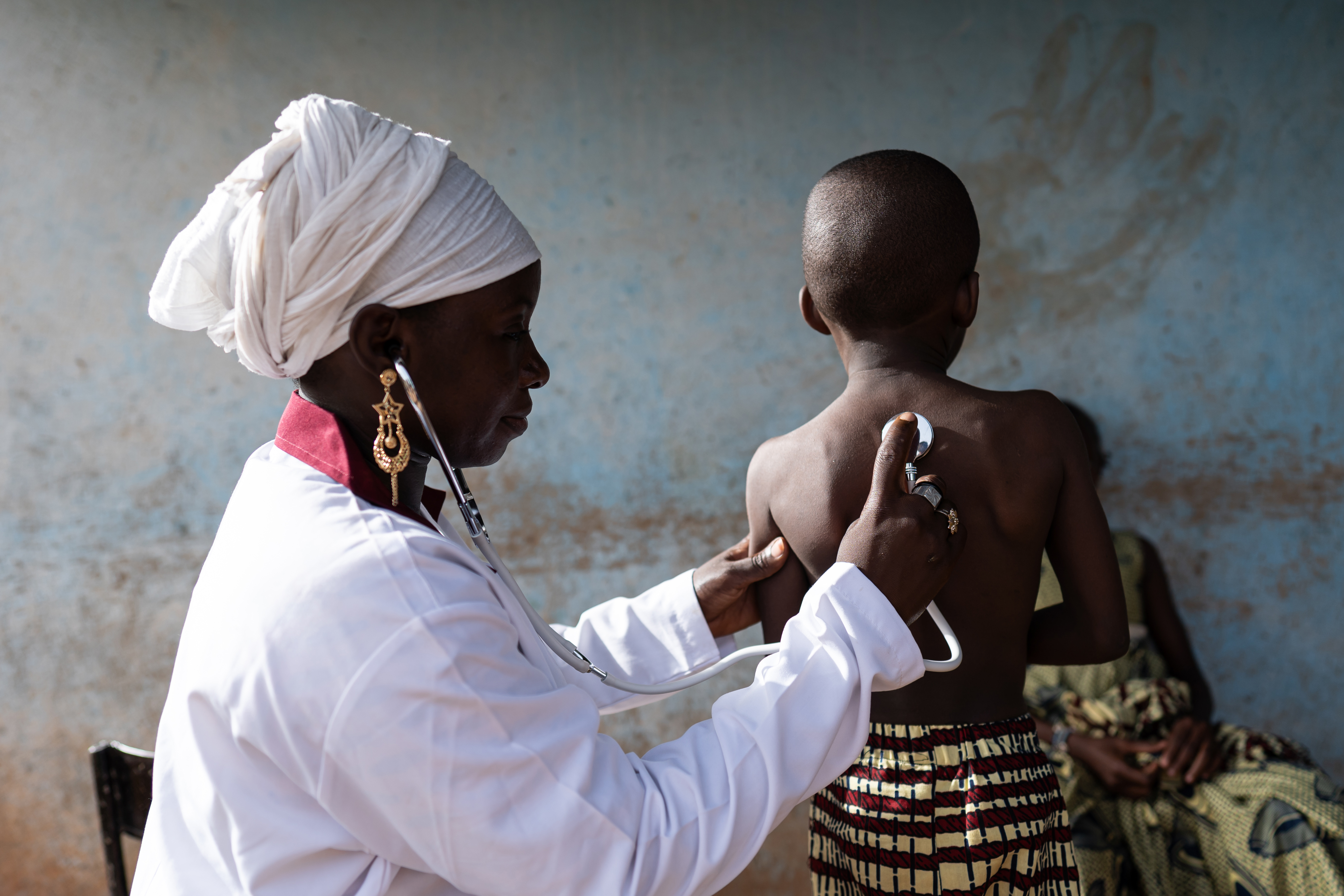
- Explain the safe method of medication administration.
- Explain the nurse's role in safe intravenous therapy.
- Explore the role of the nurse in perioperative care.
- Identify the essential elements of reporting and documentation.
- Explain the 6 vital signs and related assessment techniques.
- Explain the procedures for types of specimen collection.
-
Students mustView
Read the content under sections 6.2, 6.3, 6.4. (38 minutes)
Clinical Procedures for Safer Patient Care
-
Students mustView
Read the section “Definition / Introduction.” (7 minutes)
StatPearls
-
-
Students mustView
Read the section “Introduction to “Ratio and proportion method.” (7 minutes)
StatPearls
-
Students mustViewWatch the entire video. (87 minutes)
-
Students mustViewStart discussions: 1
Medication Administration Pediatric Client
In this activity, you will read the case study and write your thoughts/reflections in response to the questions asked on the template provided below. You will share your responses with your peers and you will provide feedback on your peers' reflections.
Objectives:
After completing this case study, the student should be able to:
- Identify the key principles of medication administration for a pediatric client
- Interpret important physical parameters and lab values for a pediatric client receiving dextrose for hypoglycemia
- Provide education to the client and family concerning proper medication administration and monitoring
- Reflect on nursing interventions and actions taken to administer medications, monitor for effectiveness, and provide client education
Step 1: Read carefully the case study presented below. It is a good idea to read it a few times to familiarize yourself with the details. [45 minutes]
Case Presentation
Elena is a 12-year-old female client recently diagnosed with Type I Diabetes. Her mother brought her to the emergency room because Elena “did not seem well this morning. She was very irritable, dizzy, lethargic and perspiring heavily.” Her mother gave her the daily injection of long-acting insulin in the morning. Shortly afterward, Elena complained of a severe sore throat and feeling very shaky, which alarmed her mother. Elena seemed unable to concentrate when answering questions, so her mother answered most of the questions posed by the nurses in the emergency room. Elena’s mother was visibly upset and tearful and was blaming herself for Elena’s condition. Elena’s mother appeared overwhelmed, noting that adjusting to Elena’s new diagnosis was complicated and confusing. Elena did not make eye contact with her mother or the nurses in the emergency room. She admitted that she had a binge-eating and consumption episode of chocolates and Lipovitan energy drink last night to keep her awake as she needed to study for a Math test. She eventually asked if she could lay down and rest. The noise and activity in the hospital emergency room upset Elena, and she began to cry quietly. Elena stated that she was concerned about missing a math test she had studied for all night. Being a good student, she feared having to make up work because of not attending school today.
Medical History
Elena was diagnosed with Type I Diabetes 10 months ago. Prior to that, she is also diagnosed with binge-eating disorder. She was taught about her diagnosis, medications, diabetic diet, physical activity, and potential complications by her community health nurse. She has no other medical diagnoses. (Although her mother says that Elena seemed slightly depressed with all the new medications and treatments and she worries that it makes her feel different from her friends.)
Physical Assessment Findings
Elena’s vital signs are as follows:
Elena’s Vital Signs
Normal Values
Blood pressure: 140/90 mmHg
120/80 mmHg
Heart rate: 110 BPM
60-80 BPM
Respiratory rate: 24 br/minute
12-20 br/min
The oral temperature: 38.2 °C/101 °F
35.7-36.9 °C/ 96.3-98.4 °F
O2 saturation: 95% on room air
94-100 %
Elena’s electrocardiogram shows sinus tachycardia with a regular rate. Her lungs are clear to auscultation bilaterally. Her throat is red with some white patches. She has a dry cough. The rest of the exam is unremarkable. Her weight is 50 kg. She is 65 cm in height.
Laboratory and Diagnostic Testing and Results
Recent lab values reveal the following information with normal values included:
Elena’s Lab Results
Normal Values
A random blood glucose level: 110 mg/dL
70-100 mg/dL
White blood cell count: 12,000 k/uL
5,000- 10, 000 k/uL
Throat culture: pending
Medical orders
The provider’s orders include an intravenous line placement with a bolus of 50% dextrose slow injection followed by a maintenance of D5NS IV infusion at 50 cc/her.
Step 2: Read and answer each of the questions below. Organize your thoughts/reflections and write them on this template. You may need to move the boxes around to accommodate your text. [180 minutes]
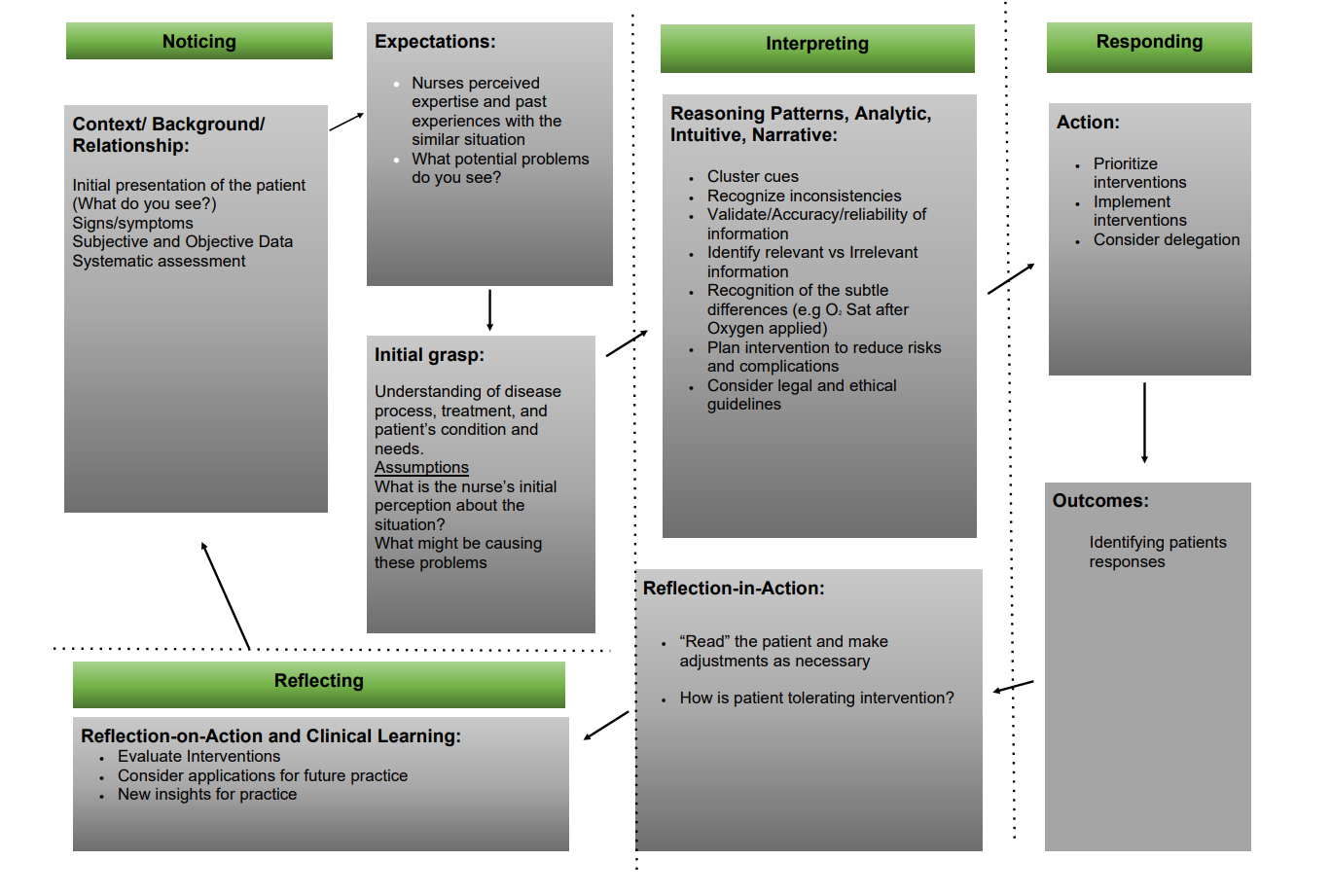
See the instructional template below for guidance:
Noticing
- Describe what you think about your client’s current presentation today.
- How does the client appear clinically to you? Provide specific examples.
- How does the client appear socially to you? Provide specific examples.
- How does the client appear psychologically to you? Provide specific examples.
- What is the prescribed treatment for hypoglycemia?
- What do you notice about Elena’s mother’s coping and involvement in her daughter’s care?
Interpreting
- Are there any clinical, social or psychological factors that need to be addressed?
- Identify the client's educational needs, readiness to learn, preferences, barriers to treatment, and expectations.
- Review the findings from the client’s assessment and laboratory data that are out of the normal range. How do you interpret these findings?
Responding
- Describe the interventions to be taken by the nurse in this type of situation.
- What interventions will you do first and why?
- Identify the ‘5 rights and 3 checks’ of proper medication administration.
- Explain the reason for asking clients about allergies before administering medications.
- How will you evaluate whether your interventions are effective?
- What medication education is essential to provide to Elena and her mother?
- Develop an educational plan to help Elena and her mother understand diabetes self-care management.
Reflection
Reflection in-practice:
- What are some of the initial thoughts you had about your client’s condition?
- Did your thoughts change as you learned more about this condition or test results?
- What is it that you think you want for this client?
- Describe the stresses you believe clients experience when they are diagnosed with Type 1 Diabetes.
Reflection on-practice
- What might you do in your future practice to prepare for this type of situation?
- Describe three ways that you can increase your knowledge/skills/attitudes about caring for a client who needs diabetes management.
- Describe some of the stresses you believe nurses might experience as they care for clients who have chronic care needs.
- In reflection, would you have done anything differently in this situation?
- Write a paragraph with no more than 200 words that discuss what it may be like to be the nurse, the client, and the mother in this scenario? Please type your answer to this question outside of the template but on the same document provided in Step 2.
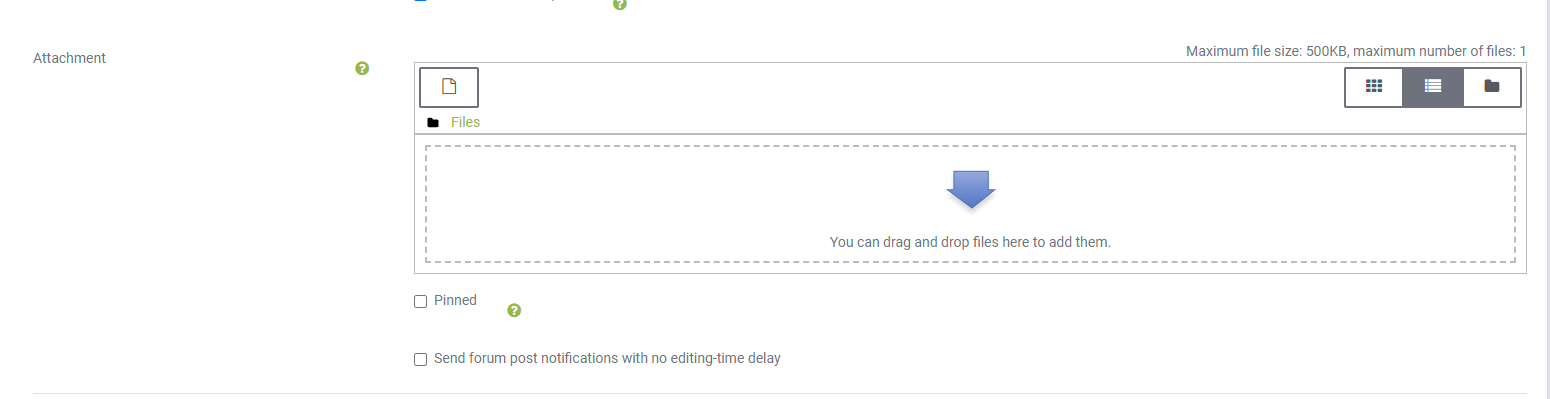
Step 3: To share your work, click on the “Add a new discussion topic” button at the bottom of this post, then click on the “Advanced” button as shown in the picture below. [10 minutes]
Drag and drop your completed template inside the “Attachment” as shown in the picture below and click on “Post” after you have uploaded your completed template.
Make sure to reference others’ intellectual property when necessary. All references should follow 7th Edition APA formatting. For further instructions, see the resource on the Himmelfarb Health Sciences Library: APA citation resource (References are excluded from word counts).
Step 4: To complete this activity, you will need to reply to at least one post made by your peers respectfully and professionally. Be sure that your post engages your peers' ideas by providing feedback on their comments, sharing ideas of other potential problems/solutions, or asking thought-provoking questions. If a peer comments on your posting, please reply. To post a reply, click “Reply” on a particular discussion list below, write your feedback and then click on “Post to forum.” [10 minutes]
OPTIONAL Step 5: Interact (10 minutes)
If you would like to, you can reply to your peers' posts in a respectful and professional manner. Ensure that your post engages your peers' ideas by including a reflection on their comments, sharing ideas of other potential difficulties and parties involved, or asking thought-provoking questions. If a peer comments on your posting, please reply. To post a reply, click “Reply” on a particular discussion, write your feedback and then click on “Post to forum.”
-
Students mustViewStart discussions: 1
-
Students mustView
-
Students mustMark as done
-
Students mustMark as done
-
Students mustMark as done
-
Students mustMark as done
-
Students mustMark as done
-
Students mustMark as done
-
Students mustMark as done
-
Students mustMark as done
-
Students mustMark as done
-
Students mustMark as done
-
Students mustMark as done
-
Students mustMark as done
-
Students mustMark as done
-
Students mustMark as done
-
Students mustMark as done
-
Students mustMark as done
-
Students mustMark as done
-
Students mustMark as done
-
Students mustMark as done
-
Students mustMark as done
-
Quiz: Medication Administration Pediatric Client
To access the quiz, click on the name of the quiz provided above. On the following screen, click the attempt quiz button to view the case studies and respond to the questions.
TO PASS THIS QUIZ YOU MUST OBTAIN A SCORE OF 80%.
-
Quiz: Unit 7.1
To access the quiz, click on the name of the quiz provided above. On the following screen, click the attempt quiz button to view the case studies and respond to the questions.
TO PASS THIS QUIZ YOU MUST OBTAIN A SCORE OF 80%.
-
Students mustView
Read the content under sections 8.2 and 8.3. (48 minutes)
Clinical Procedures for Safer Patient Care
-
-
Students mustView
Read the entire article. (10 minutes)
George Brown College -
Students mustView
Read the section Technique. (4 minutes)
StatPearls
-
Students mustView
-
Students mustMark as done
-
Students mustMark as done
-
Students mustMark as done
-
Students mustMark as done
-
Students mustMark as done
-
Students mustMark as done
-
Students mustMark as done
-
Quiz: Unit 7.2
To access the quiz, click on the name of the quiz provided above. On the following screen, click the attempt quiz button to view the case studies and respond to the questions.
TO PASS THIS QUIZ YOU MUST OBTAIN A SCORE OF 80%.
-
Students mustMark as done
Read the content under "Integrated care across the full patient pathway before, during and after surgery." (1 minute)
Center for Perioperative Care, UK -
Students mustMark as done
Read paragraph under the section "Perioperative care." (2 minutes)
Journal of Perioperative and Critical Intensive Care Nursing -
Students mustMark as done
Read the content under the headings "Pre-op assessment" and "Pre-op education." (5 minutes)
Australian Government, Cancer Australia -
Students mustMark as done
Read the section on "Assessment." (2 minutes).
Clinics on Colon and Rectal Surgery Journal -
Students mustMark as done
Read the content under section "Preoperative evaluation and identification of population at risk." (5 minutes)
Therapeutics and Clinical Risks Management Journal -
Students mustMark as done
Read the entire article. (3 minutes)
University of Iowa Health Care -
Students mustMark as done
Read the entire article. (2 minutes).
Australian Government, Cancer Australia -
Students mustMark as done
Read the contents under the headings "Anaesthetic Nurse", "Circulating Nurse", "Instrument Nurse", "Post Anaesthesia Care Unit nurse", and "Pre admission and day surgery nurse." (9 minutes)
Australian College of Perioperative Nurses -
Students mustMark as done
Read the entire article. (14 minutes).
Nursing Times, EMAP Publishing Limited -
Students mustMark as done
Read the entire article. (10 minutes)
Nursing Times, EMAP Publishing Limited -
Students mustMark as done
Read content under the sections "Prejudice and misconceptions that limit postoperative pain treatment in opioid-tolerant patients," "Postoperative pain" and "Perioperative management of opioid abusers." (7 minutes).
Therapeutics and Clinical Risks Management Journal -
Students mustMark as done
Read the content under the heading "Possible side effects of cancer surgery." (6 minutes)
American Cancer Society -
Students mustMark as done
Read the entire article. (4 minutes)
Government of Alberta, MyHealthAlberta.ca -
Students mustView
-
Quiz: Unit 7.3
To access the quiz, click on the name of the quiz provided above. On the following screen, click the attempt quiz button to view the case studies and respond to the questions.
TO PASS THIS QUIZ YOU MUST OBTAIN A SCORE OF 80%.
-
Students mustMark as done
Read the entire section (7 minutes)
Open Resources for Nursing (Open RN)
-
Students mustMark as done
Read the entire section (9 Minutes)
Open Resources for Nursing (Open RN)
-
Students mustView
-
Quiz: Unit 7.4
To access the quiz, click on the name of the quiz provided above. On the following screen, click the attempt quiz button to view the case studies and respond to the questions.
TO PASS THIS QUIZ YOU MUST OBTAIN A SCORE OF 80%.
-
Students mustMark as done
Read: The entire section “Vital Signs.” (21 minutes)
Open Resources for Nursing (Open RN)
-
Students mustMark as done
Read the content under "Blood Pressure Assessment." (5 minutes)
Open Resources for Nursing (Open RN)
-
Students mustMark as done
Read the content under "Pain Assessment Method." (9 Minutes)
Open Resources for Nursing (Open RN)
-
Students mustMark as done
Read the entire article. (18 minutes)
StatPearls [Internet].
-
Students mustView
-
Students mustMark as done
-
Students mustMark as done
-
Students mustMark as done
-
Students mustMark as done
-
Students mustMark as done
-
Students mustMark as done
-
Students mustMark as done
-
Students mustMark as done
-
Students mustMark as done
-
Students mustMark as done
-
Students mustMark as done
-
Students mustMark as done
-
Quiz: Unit 7.5
To access the quiz, click on the name of the quiz provided above. On the following screen, click the attempt quiz button to view the case studies and respond to the questions.
TO PASS THIS QUIZ YOU MUST OBTAIN A SCORE OF 80%.
-
-
Students mustView
Read the entire article. (8 minutes)
John Hopkins Medicine
-
Students mustView
Read the content under "Test Overview, Why It Is Done, How To Prepare, How It Is Done." (3 minutes)
University of Michigan Health, 2020
-
Students mustView
Read the content under "Test overview and how it is done." (4 minutes)
University of Michigan Health (2020).
-
Students mustView
Read the content under the sections "What Are Blood Tests?" "Blood Tests Types," "What To Expect With Blood Tests," "What Are the Risks of Blood Tests?" and "What Do Blood Tests Show?" (10 minutes)
National Heart, Lungs and Blood Institute
-
Students mustView
Read the entire article. (12 minutes)
National Health Service (2019)
-
Students mustView
Read the content under the section "How should I collect and store a urine sample?: Storing Urine sample." (3 minutes)
National Health Service (2019)
-
Students mustView
Read the content under the sections "Specimen collection: good-practice principles", "Professional issues", "Collecting tissue/body fluids: precautions to take", "Equipment", "Consent", "Request form", "Sample label", "Transporting specimen." (4 minutes)
Nursing Times
-
Students mustView
Read the entire article. (2 minutes)
Carteret Health Care
-
Students mustView
Read the entire article. (9 minutes)
NCBI
-
Students mustView
-
Students mustMark as done
-
Students mustMark as done
-
Students mustMark as done
-
Students mustMark as done
-
Students mustMark as done
-
Students mustMark as done
-
Students mustMark as done
-
Students mustMark as done
-
Students mustMark as done
-
Students mustMark as done
-
Students mustMark as done
-
Students mustMark as done
-
Students mustMark as done
-
Quiz: Unit 7.6
To access the quiz, click on the name of the quiz provided above. On the following screen, click the attempt quiz button to view the case studies and respond to the questions.
TO PASS THIS QUIZ YOU MUST OBTAIN A SCORE OF 80%.
-
Unit 7 Exam Quiz
To access the quiz, click on the name of the quiz provided above. On the following screen, click the "Preview quiz now" button to respond to the questions.
-
Unit Objectives:

- Understand how the physiologic functions of the body contribute to health.
- Explain the nurse's role in supporting the physiologic functions of the body.
- Describe the care of clients with alterations in health-related to body functions.
- Understand the relationship between fluid and electrolytes and physiologic integrity.
- Understand the role of nutrition in healing and maintaining optimal health.
-
Students mustView
Read the content under section “Introduction to Respiratory system, Mechanism of Ventilation.” (4 minutes)
National Institutes of Health, National Cancer Institute
-
Students mustView
Read the content under sections "Oxygenation" 8.1, 8.2, 8.3. (36 minutes)
Open RN Nursing Fundamentals by Chippewa Valley Technical College is licensed under CC BY 4.0.
-
Students mustView
Read the content under "The process of breathing.” (27 minutes)
OSC Rice University is licensed under a Creative Commons Attribution 4.0
-
Students mustView
Read the content under "Oxygen Therapy " section 12.2 "Basic concepts of Oxygenation and Oxygenation Equipment." ( 40 minutes)
Open RN Nursing Skills by Chippewa Valley Technical College is licensed under CC BY 4.0.
-
Students mustViewStart discussions: 1
-
Students mustView
-
Students mustMark as done
-
Students mustMark as done
-
Students mustMark as done
-
Students mustMark as done
-
Students mustMark as done
-
Students mustMark as done
-
Students mustMark as done
-
Students mustMark as done
-
Students mustMark as done
-
Students mustMark as done
-
Students mustMark as done
-
Students mustMark as done
-
Students mustMark as done
-
Students mustMark as done
-
Students mustMark as done
-
Quiz: Case Study: Oxygenation
To access the quiz, click on the name of the quiz provided above. On the following screen, click the "Preview quiz now" button to respond to the questions.
-
Quiz: Unit 8.1
To access the quiz, click on the name of the quiz provided above. On the following screen, click the attempt quiz button to view the case studies and respond to the questions.
TO PASS THIS QUIZ YOU MUST OBTAIN A SCORE OF 80%.
-
Students mustMark as done
Read the entire article. (2 minutes)
American Heart Association
-
Students mustMark as done
Read the content under "Chamber and circulation through heart," "Disorders of heart: heart defects," "Heart valves," "Congenital heart diseases" and "Myocardial infraction." (22 minutes)
OpenStax
-
Students mustMark as done
Read the entire article. (15 minutes)
StatPearls [Internet].
-
Students mustMark as done
Read the entire article. (10 minutes)
Nursing Critical Care
-
Students mustMark as done
Read the entire article. (8 minutes)
University of Michigan Health
-
Students mustView
-
Students mustMark as done
-
Quiz: Unit 8.2
To access the quiz, click on the name of the quiz provided above. On the following screen, click the attempt quiz button to view the case studies and respond to the questions.
TO PASS THIS QUIZ YOU MUST OBTAIN A SCORE OF 80%.
-
Students mustMark as done
Read the content under the sections "Urinary system" ( pgs. 1030-1034), '‘Urinary Tract Infection" (pgs. 1040-1041), "Urinary Incontinence" (pgs.1042-47), "Urinary Retention" (pgs 1048-1051), "Urinary Elimination Assessment" (pgs 1061, 1075-1079), "Urinary Diagnostic Tests" (pgs 1063-1068). (35 minutes)
OPEN RN Nursing Fundamentals Textbook by Chippewa Valley Technical College -
Students mustMark as done
Read the content from "Specimen Requirements" and "Procedure" to "Clinical Significance." (24 minutes)
StatPearls [Internet] -
Students mustMark as done
Read the entire article. (12 minutes)
Nursing Times -
Students mustView
-
Students mustMark as done
-
Students mustMark as done
-
Students mustMark as done
-
Students mustMark as done
-
Students mustMark as done
-
Students mustMark as done
-
Students mustMark as done
-
Students mustMark as done
-
Students mustMark as done
-
Students mustMark as done
-
Students mustMark as done
-
Students mustMark as done
-
Students mustMark as done
-
Students mustMark as done
-
Students mustMark as done
-
Students mustMark as done
-
Students mustMark as done
-
Quiz: Unit 8.3
To access the quiz, click on the name of the quiz provided above. On the following screen, click the attempt quiz button to view the case studies and respond to the questions.
TO PASS THIS QUIZ YOU MUST OBTAIN A SCORE OF 80%.
-
Students mustMark as done
Read the content under sections "Gastrointestinal System" (pgs 1035-1039), "Constipation" ( pgs 1051-1060), "Bowel Diagnostic Tests" (pgs 1069 -1075), "Bowel Elimination Assessment" (pgs 1061-1063, 1075-1081). (35 minutes)
OPEN RN Nursing Fundamentals Textbook by Chippewa Valley Technical College -
Students mustMark as done
Read the entire article. ( 2 minutes)
National Institute of Diabetes and Digestive and Kidney Diseases -
Students mustMark as done
Read the entire article. (3 minutes).
National Health Service, UK -
Students mustMark as done
Read the content under the sections "Background" and "Historical background and recommendations for IO access use." (5 minutes)
Critical Care Journal -
Students mustMark as done
Read the content under the sections "How can diarrhea be prevented?" and "Interventions." (2 minutes)
Rehydrate Project, The Mother and Child Health and Education Trust -
Students mustMark as done
Read the content under the sections "Oral rehydration solution" and "Effective homemade remedy for watery diarrhea." (2 minutes)
Rehydrate Project, The Mother and Child Health and Education Trust -
Students mustMark as done
Read the entire article. (4 minutes)
Canadian Cancer Society -
Students mustMark as done
Read the entire article. (7 minutes)
MedlinePlus, US National Library of Medicine -
Students mustMark as done
Read the entire article. (1 minute)
MSD Manual Consumer Version -
Students mustMark as done
Read the entire article. (11 minutes)
Nursing Times -
Students mustView
-
Students mustMark as done
-
Students mustMark as done
-
Students mustMark as done
-
Students mustMark as done
-
Students mustMark as done
-
Students mustMark as done
-
Quiz: Unit 8.4
To access the quiz, click on the name of the quiz provided above. On the following screen, click the attempt quiz button to view the case studies and respond to the questions.
TO PASS THIS QUIZ YOU MUST OBTAIN A SCORE OF 80%.
-
Students mustView
Read the content under section “The Endocrine System.” ( 1 hr and 15 minutes)
OSCRiceUniversity is licensed under a Creative Commons Attribution 4.0.
-
Students mustView
Read the entire page. (5 minutes)
University of Iowa Health Care
-
Students mustView
Read the entire page. (9 minutes)
American Thyroid Association
-
Students mustView
-
Quiz: Unit 8.5
To access the quiz, click on the name of the quiz provided above. On the following screen, click the attempt quiz button to view the case studies and respond to the questions.
TO PASS THIS QUIZ YOU MUST OBTAIN A SCORE OF 80%.
-
Students mustView
Read the content under the section “Sleep and Rest’’ 12.1-12.4. (37 minutes)
Open RN Nursing Fundamentals by Chippewa Valley Technical College is licensed under CC BY 4.0
-
Students mustView
Read the entire page. (15 minutes)
National Institute of Neurological Disorders and Stroke
-
Students mustView
Read the content under the section “The Stages of Sleep" to the 5th Stage of Sleep. ( 4 minutes)
American Sleep Association
-
Students mustView
Read the content under the section “Participants and method.” (6 minutes)
Journal of the National Sleep Foundation
-
Students mustView
-
Quiz: Unit 8.6
To access the quiz, click on the name of the quiz provided above. On the following screen, click the attempt quiz button to view the case studies and respond to the questions.
TO PASS THIS QUIZ YOU MUST OBTAIN A SCORE OF 80%.
-
Students mustView
Read the content under sections 6.1, 6.2. 6.3, 6.4. ( 57 minutes)
Open RN Nursing Fundamentals by Chippewa Valley Technical College is licensed under CC BY 4.0
-
Students mustView
Read the content under sections 7.2 and 7.3. ( 25 minutes)
Open RN Nursing Fundamentals by Chippewa Valley Technical College is licensed under CC BY 4.0
-
-
Students mustViewStart discussions: 1
-
Students mustView
-
Quiz: Pressure Injury of an Older Adult Case Study
To access the quiz, click on the name of the quiz provided above. On the following screen, click the "Preview quiz now" button to respond to the questions.
-
Quiz: Unit 8.7
To access the quiz, click on the name of the quiz provided above. On the following screen, click the attempt quiz button to view the case studies and respond to the questions.
TO PASS THIS QUIZ YOU MUST OBTAIN A SCORE OF 80%.
-
Students mustMark as done
Read the contents under the sections "Sex," "Sexual health," "Sexuality," and "Sexual rights." (5 minutes)
World Health Organization -
Students mustMark as done
Read the entire article. (13 minutes)
National Sexual Violence Resource Center -
Students mustMark as done
Read the contents on physical and sexual development under the sections "13, 14 and 15 Year Olds" and "16, 17 and 18 Year Olds." (5 minutes)
Alberta Health Services -
Students mustMark as done
Read the entire article. (4 minutes)
Island Sexual Health, Community Health Center -
Students mustMark as done
Read the entire article. (18 minutes)
The National Child Traumatic Stress Network -
Students mustMark as done
Read the entire article. (16 minutes)
National Center on the Sexual Behavior of Youth -
Students mustMark as done
Read the contents under the section "Timing of Sexual Onset." (11 minutes)
Behavioral sciences (Basel, Switzerland) Journal -
Students mustMark as done
Read the entire article. (13 minutes)
World Health Organizations -
Students mustMark as done
Read the entire article. (21 minutes)
Clinical Medicine Journal -
Students mustMark as done
Read the entire page. (5 minutes)
Raising Children Network (Australia) Limited -
Students mustMark as done
Read the contents of the article under the section "CALLS FOR IMPROVEMENT." ( 25 minutes)
American Journal of Nursing -
Students mustView
-
Quiz: Unit 8.8
To access the quiz, click on the name of the quiz provided above. On the following screen, click the attempt quiz button to view the case studies and respond to the questions.
TO PASS THIS QUIZ YOU MUST OBTAIN A SCORE OF 80%.
-
Students mustView
Read units "13.1," "13.2" and "13.3." (50 minutes)
Open RN Nursing Fundamentals by Chippewa Valley Technical College is licensed under CC BY 4.0
-
Students mustView
Read the entire page. (4 minutes)
The Hartford Institute for Geriatric Nursing
-
Students mustView
Read the section “voluntary control." ( 9 minutes)
Brigham Young University
-
Students mustView
-
Students mustMark as done
-
Students mustMark as done
-
Students mustMark as done
-
Students mustMark as done
-
Students mustMark as done
-
Students mustMark as done
-
Students mustMark as done
-
Students mustMark as done
-
Students mustMark as done
-
Students mustMark as done
-
Students mustMark as done
-
Students mustMark as done
-
Students mustMark as done
-
Students mustMark as done
-
Students mustMark as done
-
Students mustMark as done
-
Quiz: Unit 8.9
To access the quiz, click on the name of the quiz provided above. On the following screen, click the attempt quiz button to view the case studies and respond to the questions.
TO PASS THIS QUIZ YOU MUST OBTAIN A SCORE OF 80%.
-
Students mustMark as done
-
Students mustViewStart discussions: 1
-
Students mustView
-
Students mustMark as done
-
Students mustMark as done
-
Students mustMark as done
-
Students mustMark as done
-
Students mustMark as done
-
Students mustMark as done
-
Quiz: Case Study: Pressure Injury of an Older Adult
To access the quiz, click on the name of the quiz provided above. On the following screen, click the "Preview quiz now" button to respond to the questions.
-
Quiz: Unit 8.10
To access the quiz, click on the name of the quiz provided above. On the following screen, click the attempt quiz button to view the case studies and respond to the questions.
TO PASS THIS QUIZ YOU MUST OBTAIN A SCORE OF 80%.
-
Students mustMark as done
Read: Nutrition Basic Concepts to Applying the Nursing Process. (1 hour 7 minutes)
Open Resources for Nursing (Open RN)
-
Students mustView
Read the entire article. (17 minutes)
Physicians Committee for Responsible Medicine
-
Students mustView
Read the entire article. (5 minutes)
American Nurse Association
-
Students mustViewStart discussions: 1
-
Students mustView
-
Students mustMark as done
-
Students mustMark as done
-
Students mustMark as done
-
Students mustMark as done
-
Students mustMark as done
-
Quiz: Case Study: Nutrition in the Cognitively Impaired
To access the quiz, click on the name of the quiz provided above. On the following screen, click the "Preview quiz now" button to respond to the questions.
-
Quiz: Unit 8.11
To access the quiz, click on the name of the quiz provided above. On the following screen, click the attempt quiz button to view the case studies and respond to the questions.
TO PASS THIS QUIZ YOU MUST OBTAIN A SCORE OF 80%.
-
Students mustMark as done
Read "15.1 Fluid and Electrolytes Introduction," "15.2. Basic Fluid and Electrolyte Concepts," "15.3. Intravenous Solution," and "15.4 Electrolytes" (38 minutes)
Open RN Nursing Fundamentals. By Chippewa Valley Technical College
-
Students mustViewStart discussions: 1
-
Students mustView
-
Students mustMark as done
-
Quiz: Case Study Fluid and Electrolytes
To access the quiz, click on the name of the quiz provided above. On the following screen, click the "Preview quiz now" button to respond to the questions.
-
Quiz: Unit 8.12
To access the quiz, click on the name of the quiz provided above. On the following screen, click the attempt quiz button to view the case studies and respond to the questions.
TO PASS THIS QUIZ YOU MUST OBTAIN A SCORE OF 80%.
-
Students mustMark as done
Read: Chapter 15.5 Acid-Base Balance and 15.6 Applying Nursing Process. (54 minutes)
Open Resources for Nursing (Open RN)
-
Students mustView
-
Quiz: Unit 8.13
To access the quiz, click on the name of the quiz provided above. On the following screen, click the attempt quiz button to view the case studies and respond to the questions.
TO PASS THIS QUIZ YOU MUST OBTAIN A SCORE OF 80%.
-
Students mustMark as done
Read: The entire article. (21 minutes)
StatPearls [Internet] -
Students mustMark as done
Read: How to maintain privacy and dignity when providing personal care. (4 minutes)
-
Students mustMark as done
The entire article. (3 minutes)
Health Online Unit, Ministry of Health Malaysia
-
Students mustMark as done
Read the entire article. (13 minutes)
Registered Nursing.org
-
Read the entire PDF
Wiley Blackwell
-
Quiz: Unit 8.14
To access the quiz, click on the name of the quiz provided above. On the following screen, click the attempt quiz button to view the case studies and respond to the questions.
TO PASS THIS QUIZ YOU MUST OBTAIN A SCORE OF 80%.
-
Students mustView
Read the entire page. (12 minutes)
Healthline
-
Students mustView
Read the sections "background and definition of pain," "prevalence," "causes of cancer pain" and "pain classification." (17 minutes)
National Cancer Institute, 2020
-
Students mustView
Read the sections "clinical presentation and assessment of pain" and "timing and temporal variation." (8 minutes)
-
Students mustView
Read the section "HOW DO WE CURRENTLY ASSESS PAIN IN CANCER PATIENTS?" (3 minutes)
The Ulster Medical Journal
-
Students mustView
Read the sections "Instruments for pain-intensity assessment" and "Instruments to measure pain affect." (12 minutes)
European spine journal
-
Students mustView
Read the section "McGill Pain Questionnaire" on the first page. (3 minutes)
Official Journal of the American Society of Pain Management Nurses
-
Students mustView
Read the sections "Pain management with non-opioid" and "Pain management with opioids-related side effects." (30 minutes)
A Cancer Journal for Clinicians
-
Students mustView
Read the section "Managing and preventing side effects." (4 minutes)
National Cancer Institute, 2019
-
Students mustView
-
Students mustMark as done
-
Students mustMark as done
-
Quiz: Unit 8.15a
To access the quiz, click on the name of the quiz provided above. On the following screen, click the attempt quiz button to view the case studies and respond to the questions.
TO PASS THIS QUIZ YOU MUST OBTAIN A SCORE OF 80%.
-
Students mustView
Read the section "Non-pharmacological Interventions" on pages 1073 and 1075, and "Patients and family education." (6 minutes)
Journal of the National Comprehensive Cancer Network
-
Students mustView
Read the entire section "Non-pharmacological therapies in cancer pain management." (32 minutes)
Indian Journal of Palliative Care
-
Students mustView
-
Students mustMark as done
-
Quiz: Unit 8.15b
To access the quiz, click on the name of the quiz provided above. On the following screen, click the attempt quiz button to view the case studies and respond to the questions.
TO PASS THIS QUIZ YOU MUST OBTAIN A SCORE OF 80%.
-
Unit 8 Exam Quiz
To access the quiz, click on the name of the quiz provided above. On the following screen, click the "Preview quiz now" button to respond to the questions.
-
Unit Objectives:
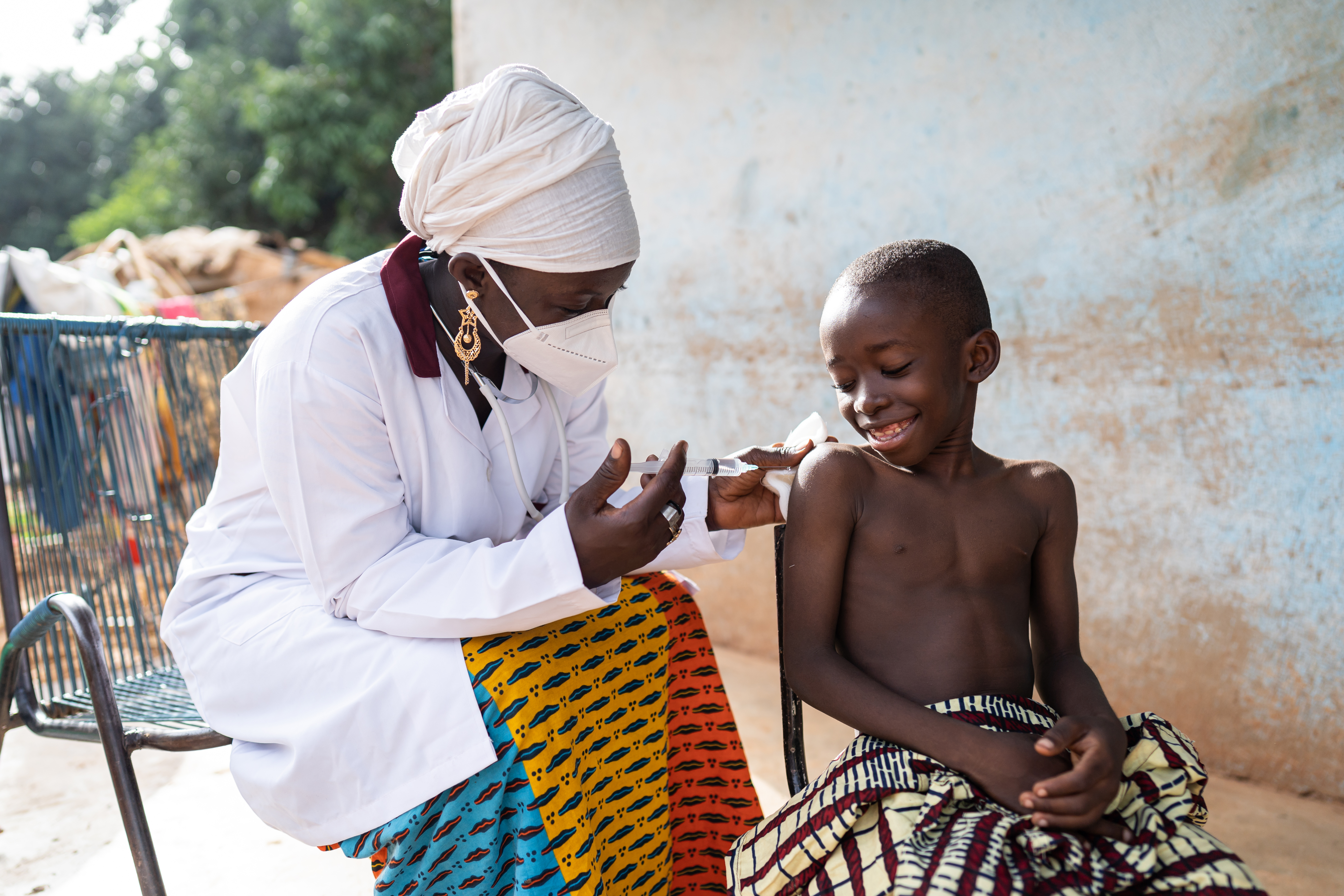
- Understand community as it relates to population health.
- Explore the nurse’s impact in various domains of community care.
- Discuss interventions associated with various population health needs.
-
Students mustMark as done
Read the description of "Communities" in the first paragraph of the section "7th Global Conference on Health Promotion: Track Themes." (1 minute)
World Health Organization -
Students mustMark as done
Read the section on "Community." (1 minute)
National Institute for Health and Care Excellence -
Students mustMark as done
Read the contents of the section "1.1 Introduction" from pages 1-3. (3 minutes)
"Community Health Nursing" Book by Ethiopia Public Health Training Initiative -
Students mustMark as done
Read the contents under the sections "ELEMENTS OF HEALTHY COMMUNITY," "HEALTHY COMMUNITY PRINCIPLES" and "Learnings." (13 minutes)
Health Resources in Action -
Students mustMark as done
Read the contents of the section "What is a community health assessment?" (3 minutes)
Centers for Disease Control and Prevention -
Students mustMark as done
Read the entire article. (6 minutes)
Ohio State University Extension -
Students mustMark as done
Read the entire article. (2 minutes)
Association of Community Health Improvement, Americal Hospital Association -
Students mustMark as done
Read the entire page. (7 minutes)
Center for Disease Control and Prevention -
Students mustMark as done
Read the entire article. (2 minutes)
World Health Organization -
Students mustMark as done
Read the entire article. (2 minutes)
Healthy People 2030, US Department of Health and Human Services -
Students mustMark as done
Read the definition of a vulnerable population. (1 minute)
National Collaborating Centers for Determinants of Health -
Students mustMark as done
Read the contents of the article from the section "Vulnerability" to "Why does vulnerability matter?" (6 minutes)
United Nations Office for Disaster Risk Reduction -
Students mustMark as done
Read the contents from the section "Vulnerable population" to "Definitions." (5 minutes)
Wakefield Joint Strategic Needs Assessment -
Students mustMark as done
Read the entire article. (2 minutes)
World Health Organization -
Students mustMark as done
Read the entire article. (1 minute)
Northwestern Health Unit -
Students mustView
-
Quiz: Unit 9.1
To access the quiz, click on the name of the quiz provided above. On the following screen, click the attempt quiz button to view the case studies and respond to the questions.
TO PASS THIS QUIZ YOU MUST OBTAIN A SCORE OF 80%.
-
Students mustMark as done
Read the contents of the sections "1.1 Essential components of community health nursing" and "1.2 Background and importance of community health nursing" from pages 5-7. (9 minutes)
World Health Organization -
Students mustMark as done
Read the contents of the sections "Definitions of Public Health/Community Health Nurse," "Section 3: Roles of the Public Health/Community Health Nurse," and "Section 4: Activities of Public Health/Community Health Nurse" on pages 8 and16-26. (25 minutes)
Canadian Public Health Association -
Students mustMark as done
Read the entire article. (5 minutes)
Eastern Michigan University -
Students mustMark as done
Read the definition of public health nursing under the heading "Definition." (1 minute)
American Public Health Association -
Students mustMark as done
Read the contents from the section "What is a Public Health Nurse?" to the section "Educating Individuals and Communities." (4 minutes)
Ohio University -
Students mustMark as done
Read the entire article. (1 minute)
National Health Service UK -
Students mustMark as done
Read the results and conclusions of the study. (1 minute)
Public Health Journal -
Students mustMark as done
Read the contents of the sections "Discussion" and "Conclusion." (8 minutes)
International Journal of Nursing Sciences -
Students mustView
-
Quiz: Unit 9.2
To access the quiz, click on the name of the quiz provided above. On the following screen, click the attempt quiz button to view the case studies and respond to the questions.
TO PASS THIS QUIZ YOU MUST OBTAIN A SCORE OF 80%.
-
Students mustView
Read the sections "What is drug addiction?" and "How are substance use disorders categorized?” (4 minutes)
NIDA (2020)
-
Students mustView
Read the entire page. (30 minutes)
Journal of addiction, 2013
-
-
Students mustView
Read the section “Nursing care for persons with drug addiction." ( 9 minutes)
Open Access Peer-reviewed Chapter
-
Students mustView
Read the entire page. (10 minutes)
National Association of School Nurses, (2018)
-
Students mustView
Read the entire page. (20 minutes)
Mayoclinic
-
Students mustView
Read the entire page. (3 minutes)
-
Students mustView
-
Quiz: Unit 9.3
To access the quiz, click on the name of the quiz provided above. On the following screen, click the attempt quiz button to view the case studies and respond to the questions.
TO PASS THIS QUIZ YOU MUST OBTAIN A SCORE OF 80%.
-
Students mustView
Read the section “So what is person-centered nursing?” (2 minutes)
The Open University (2019)
-
Students mustView
Read the section “Core process of client-centered care.” (8 minutes)
Registered Nurses Association of Ontario (RNAO) (2002)
-
Students mustView
Read the section “Community Health Nurse.” (2 minutes)
ASPEN University (2020)
-
Students mustView
Read the section “Community Nursing Vs Hospital Nursing.” (1 minute)
Nurse Journal (2021)
-
Students mustView
Read the section “School Nurse Role and School Nurse Activities.” (8 minutes)
American Academy of Pediatrics, (2008)
-
Students mustView
Read the entire page. (2 minutes)
Explore Health Careers Org (2021)
-
Students mustView
Read the section “What Is the Role of a Correctional Nurse?” ( 2 minutes)
University of Southern California (2021)
-
Students mustView
Read the section “What are nurse clinics.” (2 minutes)
Australian Primary Health Care Nurses Association (2021)
-
Students mustView
Read the entire page. (6 minutes)
Advent Health University (2021)
-
Students mustView
-
Quiz: Unit 9.4
To access the quiz, click on the name of the quiz provided above. On the following screen, click the attempt quiz button to view the case studies and respond to the questions.
TO PASS THIS QUIZ YOU MUST OBTAIN A SCORE OF 80%.
-
Unit 9 Exam Quiz
To access the quiz, click on the name of the quiz provided above. On the following screen, click the "Preview quiz now" button to respond to the questions.
-
 In the following exercise, you will learn about the health care needs of a family. Each section provides a scenario that requires a synthesis of fundamental nursing knowledge, skills, and attitudes and their application using the nursing process to provide optimal nursing care.
Each case study has two parts. Read each case study and answer the questions in narrative form. You will share your responses in the discussion forum and respond to one post made by your peers.
Feedback reflection: Once you have completed this task, you will be provided with feedback on the scenario, and you will have an opportunity to reflect on the feedback as it relates to your answer. Reflect on the areas where you did well and on any gaps where you could have done better. Discuss how you will use this information in your future practice. Share this insight in the discussion forum and respond to the reflection of one of your peers.
Introduction to the Lynn family
Boschtown is a small farming community with a population of 1500 people located in a remote area surrounded by rolling hills and farmland. The residents of Boshtown work as farmers and laborers or are employed by the few businesses in town - a gas station, post office, coffee shop, feed store, grocery store, school, bank, and three churches. People living here often drive two hours once or twice a month to reach the nearby city to buy needed items and to seek healthcare.
The Lynn family moved to Boshtown six months ago to be closer to their family. Throughout this course, you will learn more about the Lynn family and will be asked to apply what you have learned as a nurse to care for them.
-
Students mustViewStart discussions: 1
-
Feedback: Case Study 1 - Part 1 Forum
-
Case study 1 - Part 2 Forum
-
Feedback: Case Study 1 - Part 2 Forum
-
Case study 2 - Part 1 Forum
-
Feedback: Case study 2 - Part 1 Forum
-
Case Study 2 - Part 2 Forum
-
Feedback: Case Study 2 - Part 2 Forum
-
Case Study 3 - Part 1 Forum
-
Feedback: Case Study 3 - Part 1 Forum
-
Case Study 3 - Part 2 Forum
-
Feedback: Case Study 3 - Part 2 Forum
-
Case Study 4 - Part 1 Forum
-
Feedback: Case Study 4 - Part 1 Forum
-
Case Study 4 - Part 2 Forum
-
Feedback: Case Study 4 - Part 2 Forum
-
Case Study 5 - Part 1 Forum
-
Feedback: Case Study 5 - Part 1 Forum
-
Case study 5 - Part 2 Forum
-
Feedback: Case study 5 - Part 2 Forum
-
Case Study 6 - Part 1 Forum
-
Feedback: Case Study 6 - Part 1 Forum
-
Case Study 7 - Part 1 Forum
-
Feedback: Case Study 7 - Part 1 Forum
-
-
-
Students mustViewStart discussions: 1
In this activity, you will complete a branching case study and reflect on the decisions you have made throughout the case study.
Step 1: Complete the branching case study.
Case Study on Medication Administration/Infection Control/Client Safety
Based on the context of the case study provided, make decisions by choosing the best answer options. Continue making decisions and reflecting-in until you make it to the last scenario of the case study.
Step 2: Reflect
In a minimum of 200 words, reflect on the decisions you have made throughout the case study, what you have learned, and explain how you might use this information for your future practice to assure safe client care.
Step 3: Share
To share your work, click on the “Add a new discussion topic” button under this post and paste your work in the “Message” box. Make sure to reference others’ intellectual property when necessary. All references should follow 7th Edition APA formatting. For further instructions, see the resource on the Himmelfarb Health Sciences Library: APA citation resource (N.B. references are excluded from word counts).
Step 4: Interact
To complete the activity, you will need to reply to at least two posts made by your peers in a respectful and professional manner. Ensure that your post engages your peers' ideas by including a reflection on their comments, sharing ideas of other potential difficulties and parties involved, or asking thought-provoking questions. If a peer comments on your posting, please reply. To post a reply, click “Reply” on a particular discussion, write your feedback and then click on “Post to forum.”
OPTIONAL Step 5: Interact (10 minutes)
If you would like to, you can reply to your peers' posts in a respectful and professional manner. Ensure that your post engages your peers' ideas by including a reflection on their comments, sharing ideas of other potential difficulties and parties involved, or asking thought-provoking questions. If a peer comments on your posting, please reply. To post a reply, click “Reply” on a particular discussion, write your feedback and then click on “Post to forum.”
-
Students mustView
-
-

To take the final exam, you must complete all quizzes and complete all the required activities.
To access the exam, click on the name of the exam provided above. On the following screen, click the Attempt Quiz button to respond to the questions.
-
Final Exam Attempt 1 Quiz
To take the final exam, you must complete all quizzes and complete all the required activities. The final exam consists of 50 questions, and you will have 75 minutes to complete it. When the time is over you will not be able to answer additional questions.
To access the exam, click on the name of the exam provided above. On the following screen, click the attempt quiz button to respond to the questions.
-
Final Exam Attempt 2 Quiz
To take the final exam, you must complete all quizzes and complete all the required activities. The final exam consists of 50 questions, and you will have 75 minutes to complete it. When the time is over you will not be able to answer additional questions.
To access the exam, click on the name of the exam provided above. On the following screen, click the attempt quiz button to respond to the questions.
-
-
 In this section, you can provide feedback about this course to help us make NextGenU.org better. Once evaluations are completed, you will be able to download your certificate of completion.
-
Course Evaluation Questionnaire
-
Self Evaluation Questionnaire
-
-
-
Students mustMark as done
-
Students mustMark as done
-
Students mustMark as done
-
-
-
Students mustMark as done
-
Students mustMark as done
-
Students mustMark as done
-
Students mustMark as done
-
Students mustMark as done
-
-