-
Introduction
Show More-
-
Upon completion of this module, students you will be able to:Student Learning Outcomes:
- Distinguish between anatomy and physiology, and identify several branches of each.
- Describe the structure of the body, from simplest to most complex, in terms of the six levels of organization.
- Identify the functional characteristics of human life.
- Identify the four requirements for human survival.
- Define homeostasis and explain its importance to normal human functioning.
- Use appropriate anatomical terminology to identify key body structures, body regions, and directions in the body.
- Compare and contrast at least four medical imaging techniques in terms of their function and use in medicine.
Click here to start this lesson
-
Read the entire page. (2 minutes)
Rice University - 2022
-
Read the entire page. (11 minutes)
Rice University - 2022
-
Read the entire page. (15 minutes)
Rice University - 2022
-
Read the entire page. (12 minutes)
Rice University - 2022
-
Read the entire page. (23 minutes)
Rice University - 2022
-
Read the entire page. (17 minutes)
Rice University - 2022
-
Read the entire page. (38 minutes)
Rice University - 2022
-
Read the entire page. (20 minutes)
Rice University - 2022
-
To access the quiz, click on the name of the quiz provided above. On the following screen, click the "Preview quiz now" button to respond to the questions.
-
Upon completion of this module, students you will be able to:Student Learning Outcomes:
- Describe the fundamental composition of matter.
- Identify the three subatomic particles.
- Identify the four most abundant elements in the body.
- Explain the relationship between an atom’s number of electrons and its relative stability.
- Define homeostasis and explain its importance to normal human functioning.
- Distinguish between ionic bonds, covalent bonds, and hydrogen bonds.
- Explain how energy is invested, stored, and released via chemical reactions, particularly those reactions that are critical to life.
- Explain the importance of the inorganic compounds that contribute to life, such as water, salts, acids, and bases.
- Compare and contrast the four important classes of organic (carbon-based) compounds—proteins, carbohydrates, lipids and nucleic acids—according to their composition and functional importance to human life.
Click here to start this lesson
-
Read the entire page. (3 minutes)
Rice University - 2022
-
Read the entire page. (34 minutes)
Rice University - 2022
-
Read the entire page. (24 minutes)
Rice University - 2022
-
Read the entire page. (23 minutes)
Rice University - 2022
-
Read the entire page. (34 minutes)
Rice University - 2022
-
Read the entire page. (59 minutes)
Rice University - 2022
-
Upon completion of this module, students you will be able to:Student Learning Outcomes:
- Describe the structure and function of the cell membrane, including its regulation of materials into and out of the cell.
- Describe the functions of the various cytoplasmic organelles.
- Explain the structure and contents of the nucleus, as well as the process of DNA replication.
- Explain the process by which a cell builds proteins using the DNA code.
- List the stages of the cell cycle in order, including the steps of cell division in somatic cells.
- Discuss how a cell differentiates and becomes more specialized.
- List the morphological and physiological characteristics of some representative cell types in the human body.
Click here to start this lesson
-
Read the entire page. (7 minutes)
Rice University - 2022
-
Read the entire page. (55 minutes)
Rice University - 2022
-
Read the entire page. (36 minutes)
Rice University - 2022
-
Read the entire page. (20 minutes)
Rice University - 2022
-
Read the entire page. (24 minutes)
Rice University - 2022
-
Read the entire page. (31 minutes)
Rice University - 2022
-
Read the entire page. (15 minutes)
Rice University - 2022
-
Upon completion of this module, students you will be able to:Student Learning Outcomes:
- Identify the main tissue types and discuss their roles in the human body.
- Identify the four types of tissue membranes and the characteristics of each that make them functional.
- Explain the functions of various epithelial tissues and how their forms enable their functions.
- Explain the functions of various connective tissues and how their forms enable their functions.
- Describe the characteristics of muscle tissue and how these enable function.
- Discuss how a cell differentiates and becomes more specialized.
- Discuss the characteristics of nervous tissue and how these enable information processing and control of muscular and glandular activities.
-
Read the entire page. (3 minutes)
Rice University - 2022
-
Read the entire page. (22 minutes)
Rice University - 2022
-
Read the entire page. (55 minutes)
Rice University - 2022
-
Read the entire page. (46 minutes)
Rice University - 2022
-
Read the entire page. (8 minutes)
Rice University - 2022
-
Read the entire page. (11 minutes)
Rice University - 2022
-
Read the entire page. (22 minutes)
Rice University - 2022
-
-
Upon completion of this module, students you will be able to:Student Learning Outcomes:
- Describe the integumentary system and the role it plays in homeostasis.
- Describe the layers of the skin and the functions of each layer.
- Describe the accessory structures of the skin and the functions of each.
- Describe the changes that occur in the integumentary system during the aging process.
- Discuss several common diseases, disorders, and injuries that affect the integumentary system.
- Explain treatments for some common diseases, disorders, and injuries of the integumentary system.
-
Read the entire page. (3 minutes)
Rice University - 2022
-
Read the entire page. (47 minutes)
Rice University - 2022
-
Read the entire page. (27 minutes)
Rice University - 2022
-
Read the entire page. (21 minutes)
Rice University - 2022
-
Read the entire page. (34 minutes)
Rice University - 2022
-
Upon completion of this module, students you will be able to:Student Learning Outcomes:
- List and describe the functions of bones.
- Describe the classes of bones.
- Discuss the process of bone formation and development.
- Explain how bone repairs itself after a fracture.
- Discuss the effect of exercise, nutrition, and hormones on bone tissue.
- Describe how an imbalance of calcium can affect bone tissue.
Click here to start this lesson
-
Read the entire page. (2 minutes)
Rice University - 2022
-
Read the entire page. (12 minutes)
Rice University - 2022
-
Read the entire page. (8 minutes)
Rice University - 2022
-
Read the entire page. (50 minutes)
Rice University - 2022
-
Read the entire page. (31 minutes)
Rice University - 2022
-
Read the entire page. (13 minutes)
Rice University - 2022
-
Read the entire page. (23 minutes)
Rice University - 2022
-
Read the entire page. (8 minutes)
Rice University - 2022
-
Upon completion of this module, students you will be able to:Student Learning Outcomes:
- Describe the functions of the skeletal system and define its two major subdivisions.
- Identify the bones and bony structures of the skull, the cranial suture lines, the cranial fossae, and the openings in the skull.
- Discuss the vertebral column and regional variations in its bony components and curvatures.
- Describe the components of the thoracic cage.
- Discuss the embryonic development of the axial skeleton.
Click here to start this lesson
-
Read the entire page. (6 minutes)
Rice University - 2022
-
Read the entire page. (7 minutes)
Rice University - 2022
-
Read the entire page. (90 minutes)
Rice University - 2022
-
Read the entire page. (54 minutes)
Rice University - 2022
-
Read the entire page. (10 minutes)
Rice University - 2022
-
Read the entire page. (15 minutes)
Rice University - 2022
-
Upon completion of this module, students you will be able to:Student Learning Outcomes:
- Discuss the bones of the pectoral and pelvic girdles, and describe how these unite the limbs with the axial skeleton.
- Describe the bones of the upper limb, including the bones of the arm, forearm, wrist, and hand.
- Identify the features of the pelvis and explain how these differ between the adult male and female pelvis.
- Describe the bones of the lower limb, including the bones of the thigh, leg, ankle, and foot.
- Describe the embryonic formation and growth of the limb bones.
-
Read the entire page. (3 minutes)
Rice University - 2022
-
Read the entire page. (19 minutes)
Rice University - 2022
-
Read the entire page. (36 minutes)
Rice University - 2022
-
Read the entire page. (29 minutes)
Rice University - 2022
-
Read the entire page. (38 minutes)
Rice University - 2022
-
Read the entire page. (19 minutes)
Rice University - 2022
-
Upon completion of this module, students you will be able to:Student Learning Outcomes:
- Discuss both functional and structural classifications for body joints.
- Describe the characteristic features for fibrous, cartilaginous, and synovial joints and give examples of each.
- Define and identify the different body movements.
- Discuss the structure of specific body joints and the movements allowed by each.
- Explain the development of body joints.
-
Read the entire page. (6 minutes)
Rice University - 2022
-
Read the entire page. (13 minutes)
Rice University - 2022
-
Read the entire page. (13 minutes)
Rice University - 2022
-
Read the entire page. (11 minutes)
Rice University - 2022
-
Read the entire page. (39 minutes)
Rice University - 2022
-
Read the entire page. (29 minutes)
Rice University - 2022
-
Read the entire page. (61 minutes)
Rice University - 2022
-
Read the entire page. (5 minutes)
Rice University - 2022
-
Upon completion of this module, students you will be able to:Student Learning Outcomes:
- Explain the organization of muscle tissue.
- Describe the function and structure of skeletal, cardiac muscle, and smooth muscle.
- Explain how muscles work with tendons to move the body.
- Describe how muscles contract and relax.
- Define the process of muscle metabolism.
- Explain how the nervous system controls muscle tension.
- Relate the connections between exercise and muscle performance.
- Explain the development and regeneration of muscle tissue.
Click here to start this lesson
-
Read the entire page. (2 minutes)
Rice University - 2022
-
Read the entire page. (6 minutes)
Rice University - 2022
-
Read the entire page. (28 minutes)
Rice University - 2022
-
Read the entire page. (35 minutes)
Rice University - 2022
-
Read the entire page. (28 minutes)
Rice University - 2022
-
Read the entire page. (8 minutes)
Rice University - 2022
-
Read the entire page. (18 minutes)
Rice University - 2022
-
Read the entire page. (8 minutes)
Rice University - 2022
-
Read the entire page. (16 minutes)
Rice University - 2022
-
Read the entire page. (10 minutes)
Rice University - 2022
-
Upon completion of this module, students you will be able to:Student Learning Outcomes:
- Describe the actions and roles of agonists and antagonists.
- Explain the structure and organization of muscle fascicles and their role in generating force.
- Explain the criteria used to name skeletal muscles.
- Identify the skeletal muscles and their actions on the skeleton and soft tissues of the body.
- Identify the origins and insertions of skeletal muscles and the prime movements.
-
Read the entire page. (3 minutes)
Rice University - 2022
-
Read the entire page. (23 minutes)
Rice University - 2022
-
Read the entire page. (12 minutes)
Rice University - 2022
-
Read the entire page. (39 minutes)
Rice University - 2022
-
Read the entire page. (23 minutes)
Rice University - 2022
-
Read the entire page. (23 minutes)
Rice University - 2022
-
Read the entire page. (35 minutes)
Rice University - 2022
-
Read the entire page. (37 minutes)
Rice University - 2022
-
-
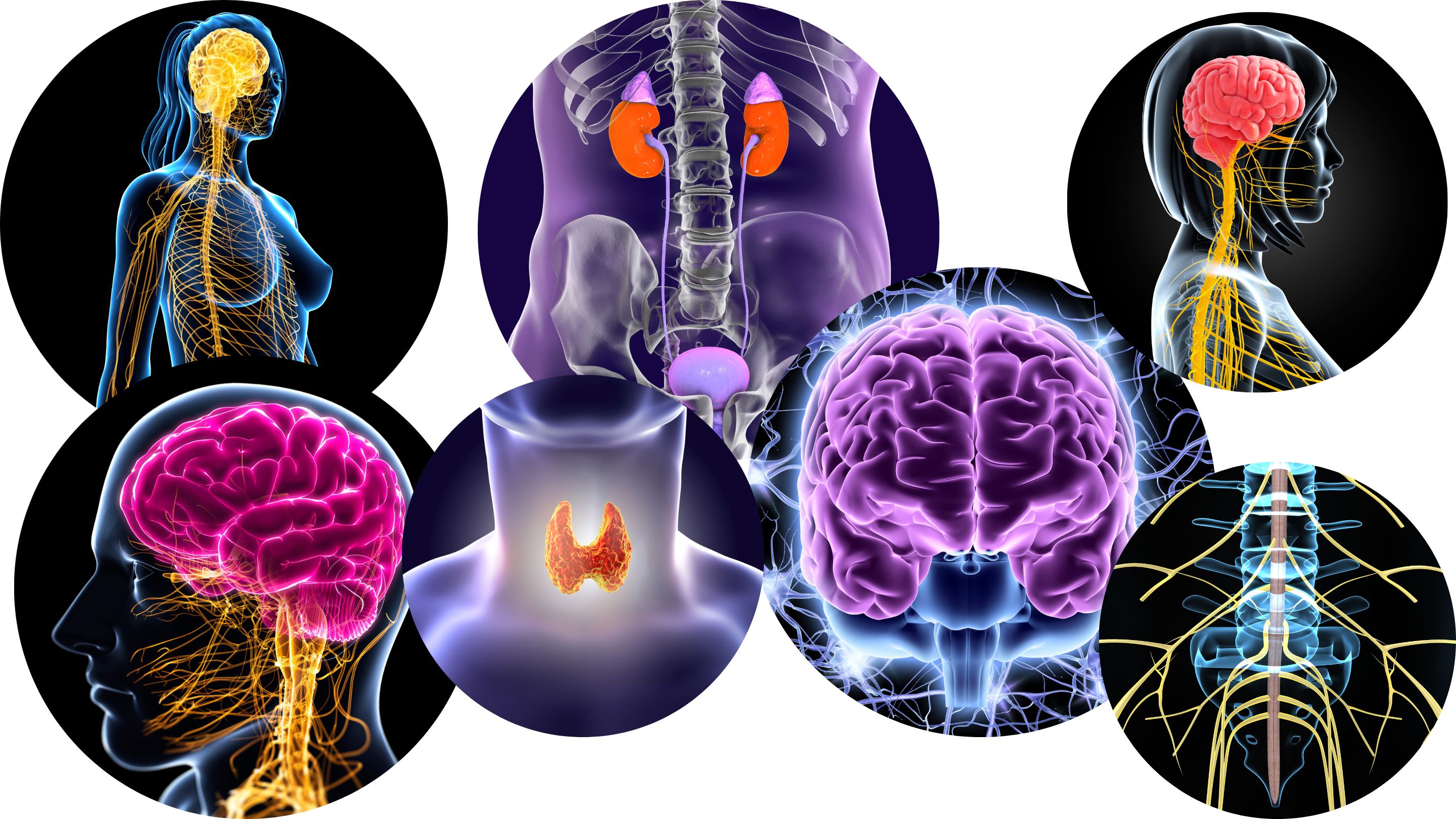
Upon completion of this module, students you will be able to:Student Learning Outcomes:
- Name the major divisions of the nervous system, both anatomical and functional.
- Describe the functional and structural differences between gray matter and white matter structures.
- Name the parts of the multipolar neuron in order of polarity.
- List the types of glial cells and assign each to the proper division of the nervous system, along with their function(s).
- Distinguish the major functions of the nervous system: sensation, integration, and response.
- Describe the components of the membrane that establish the resting membrane potential.
- Describe the changes that occur to the membrane that result in the action potential.
- Explain the differences between types of graded potentials.
- Categorize the major neurotransmitters by chemical type and effect.
Click here to start this lesson
-
Read the entire page. (4 minutes)
Rice University - 2022
-
Read the entire page. (47 minutes)
Rice University - 2022
-
Read the entire page. (47 minutes)
Rice University - 2022
-
Read the entire page. (20 minutes)
Rice University - 2022
-
Read the entire page. (56 minutes)
Rice University - 2022
-
Read the entire page. (44 minutes)
Rice University - 2022
-
Upon completion of this module, students you will be able to:Student Learning Outcomes:
- Relate the developmental processes of the embryonic nervous system to the adult structures.
- Name the major regions of the adult nervous system.
- Locate regions of the cerebral cortex on the basis of anatomical landmarks common to all human brains.
- Describe the regions of the spinal cord in cross-section.
- List the cranial nerves in order of anatomical location and provide the central and peripheral connections.
- List the spinal nerves by vertebral region and by which nerve plexus each supplies.
-
Read the entire page. (3 minutes)
Rice University - 2022
-
Read the entire page. (33 minutes)
Rice University - 2022
-
Read the entire page. (64 minutes)
Rice University - 2022
-
Read the entire page. (39 minutes)
Rice University - 2022
-
Read the entire page. (41 minutes)
Rice University - 2022
- Relate the developmental processes of the embryonic nervous system to the adult structures.
-
Upon completion of this module, students you will be able to:Student Learning Outcomes:
- Describe the components of the somatic nervous system.
- Name the modalities and submodalities of the sensory systems.
- Distinguish between general and special senses.
- Describe regions of the central nervous system that contribute to somatic functions.
- Explain the stimulus-response motor pathway.
-
Read the entire page. (7 minutes)
Rice University - 2022
-
Read the entire page. (106 minutes)
Rice University - 2022
-
Read the entire page. (56 minutes)
Rice University - 2022
-
Read the entire page. (44 minutes)
Rice University - 2022
- Describe the components of the somatic nervous system.
-
Upon completion of this module, students you will be able to:Student Learning Outcomes:
- Describe the components of the autonomic nervous system.
- Differentiate between the structures of the sympathetic and parasympathetic divisions in the autonomic nervous system.
- Name the components of a visceral reflex specific to the autonomic division to which it belongs.
- Predict the response of a target effector to autonomic input on the basis of the released signaling molecule.
- Describe how the central nervous system coordinates and contributes to autonomic functions.
-
Read the entire page. (6 minutes)
Rice University - 2022
-
Read the entire page. (42 minutes)
Rice University - 2022
-
Read the entire page. (42 minutes)
Rice University - 2022
-
Read the entire page. (17 minutes)
Rice University - 2022
-
Read the entire page. (28 minutes)
Rice University - 2022
- Describe the components of the autonomic nervous system.
-
Upon completion of this module, students you will be able to:Student Learning Outcomes:
- Describe the major sections of the neurological exam.
- Outline the benefits of rapidly assessing neurological function.
- Relate anatomical structures of the nervous system to specific functions.
- Diagram the connections of the nervous system to the musculature and integument involved in primary sensorimotor responses.
- Compare and contrast the somatic and visceral reflexes with respect to how they are assessed through the neurological exam.
-
Read the entire page. (7 minutes)
Rice University - 2022
-
Read the entire page. (23 minutes)
Rice University - 2022
-
Read the entire page. (48 minutes)
Rice University - 2022
-
Read the entire page. (56 minutes)
Rice University - 2022
-
Read the entire page. (35 minutes)
Rice University - 2022
-
Read the entire page. (27 minutes)
Rice University - 2022
- Describe the major sections of the neurological exam.
-
Upon completion of this module, students you will be able to:Student Learning Outcomes:
- Identify the contributions of the endocrine system to homeostasis.
- Discuss the chemical composition of hormones and the mechanisms of hormone action.
- Summarize the site of production, regulation, and effects of the hormones of the pituitary, thyroid, parathyroid, adrenal, and pineal glands.
- Discuss the hormonal regulation of the reproductive system.
- Explain the role of the pancreatic endocrine cells in the regulation of blood glucose.
- Identify the hormones released by the heart, kidneys, and other organs with secondary endocrine functions.
- Discuss several common diseases associated with endocrine system dysfunction.
- Discuss the embryonic development of, and the effects of aging on, the endocrine system.
-
Read the entire page. (2 minutes)
Rice University - 2022
-
Read the entire page. (17 minutes)
Rice University - 2022
-
Read the entire page. (44 minutes)
Rice University - 2022
-
Read the entire page. (39 minutes)
Rice University - 2022
-
Read the entire page. (23 minutes)
Rice University - 2022
-
Read the entire page. (11 minutes)
Rice University - 2022
-
Read the entire page. (23 minutes)
Rice University - 2022
-
Read the entire page. (4 minutes)
Rice University - 2022
-
Read the entire page. (7 minutes)
Rice University - 2022
-
Read the entire page. (25 minutes)
Rice University - 2022
-
Read the entire page. (13 minutes)
Rice University - 2022
-
Read the entire page. (6 minutes)
Rice University - 2022
- Identify the contributions of the endocrine system to homeostasis.
-
-
Upon completion of this module, students you will be able to:Student Learning Outcomes:
- Identify the primary functions of blood, its fluid and cellular components, and its physical characteristics.
- Identify the most important proteins and other solutes present in blood plasma.
- Describe the formation of the formed element components of blood.
- Discuss the structure and function of red blood cells and hemoglobin.
- Classify and characterize white blood cells.
- Describe the structure of platelets and explain the process of hemostasis.
- Explain the significance of AB and Rh blood groups in blood transfusions.
- Discuss a variety of blood disorders.
Click here to start this lesson
-
Read the entire page. (2 minutes)
Rice University - 2022
-
Read the entire page. (25 minutes)
Rice University - 2022
-
Read the entire page. (20 minutes)
Rice University - 2022
-
Read the entire page. (38 minutes)
Rice University - 2022
-
Read the entire page. (31 minutes)
Rice University - 2022
-
Read the entire page. (30 minutes)
Rice University - 2022
-
Read the entire page. (25 minutes)
Rice University - 2022
- Identify the primary functions of blood, its fluid and cellular components, and its physical characteristics.
-
Upon completion of this module, students you will be able to:Student Learning Outcomes:
- Identify and describe the interior and exterior parts of the human heart.
- Describe the path of blood through the cardiac circuits.
- Describe the size, shape, and location of the heart.
- Compare cardiac muscle to skeletal and smooth muscle.
- Explain the cardiac conduction system.
- Describe the process and purpose of an electrocardiogram.
- Explain the cardiac cycle.
- Calculate cardiac output.
- Describe the effects of exercise on cardiac output and heart rate.
- Name the centers of the brain that control heart rate and describe their function.
- Identify other factors affecting heart rate.
- Describe fetal heart development.
Click here to start this lesson
-
Read the entire page. (3 minutes)
Rice University - 2022
-
Read the entire page. (105 minutes)
Rice University - 2022
-
Read the entire page. (57 minutes)
Rice University - 2022
-
Read the entire page. (21 minutes)
Rice University - 2022
-
Read the entire page. (61 minutes)
Rice University - 2022
-
Read the entire page. (6 minutes)
Rice University - 2022
- Identify and describe the interior and exterior parts of the human heart.
-
Upon completion of this module, students you will be able to:Student Learning Outcomes:
- Compare and contrast the anatomical structure of arteries, arterioles, capillaries, venules, and veins.
- Accurately describe the forces that account for capillary exchange.
- List the major factors affecting blood flow, blood pressure, and resistance.
- Describe how blood flow, blood pressure, and resistance interrelate.
- Discuss how the neural and endocrine mechanisms maintain homeostasis within the blood vessels
- Describe the interaction of the cardiovascular system with other body systems.
- Label the major blood vessels of the pulmonary and systemic circulations.
- Identify and describe the hepatic p.ortal system.
- Describe the development of blood vessels and fetal circulation.
- Compare fetal circulation to that of an individual after birth.
Click here to start this lesson
-
Read the entire page. (2 minutes)
Rice University - 2022
-
Read the entire page. (57 minutes)
Rice University - 2022
-
Read the entire page. (56 minutes)
Rice University - 2022
-
Read the entire page. (15 minutes)
Rice University - 2022
-
Read the entire page. (49 minutes)
Rice University - 2022
-
Read the entire page. (122 minutes)
Rice University - 2022
-
Read the entire page. (10 minutes)
Rice University - 2022
- Compare and contrast the anatomical structure of arteries, arterioles, capillaries, venules, and veins.
-
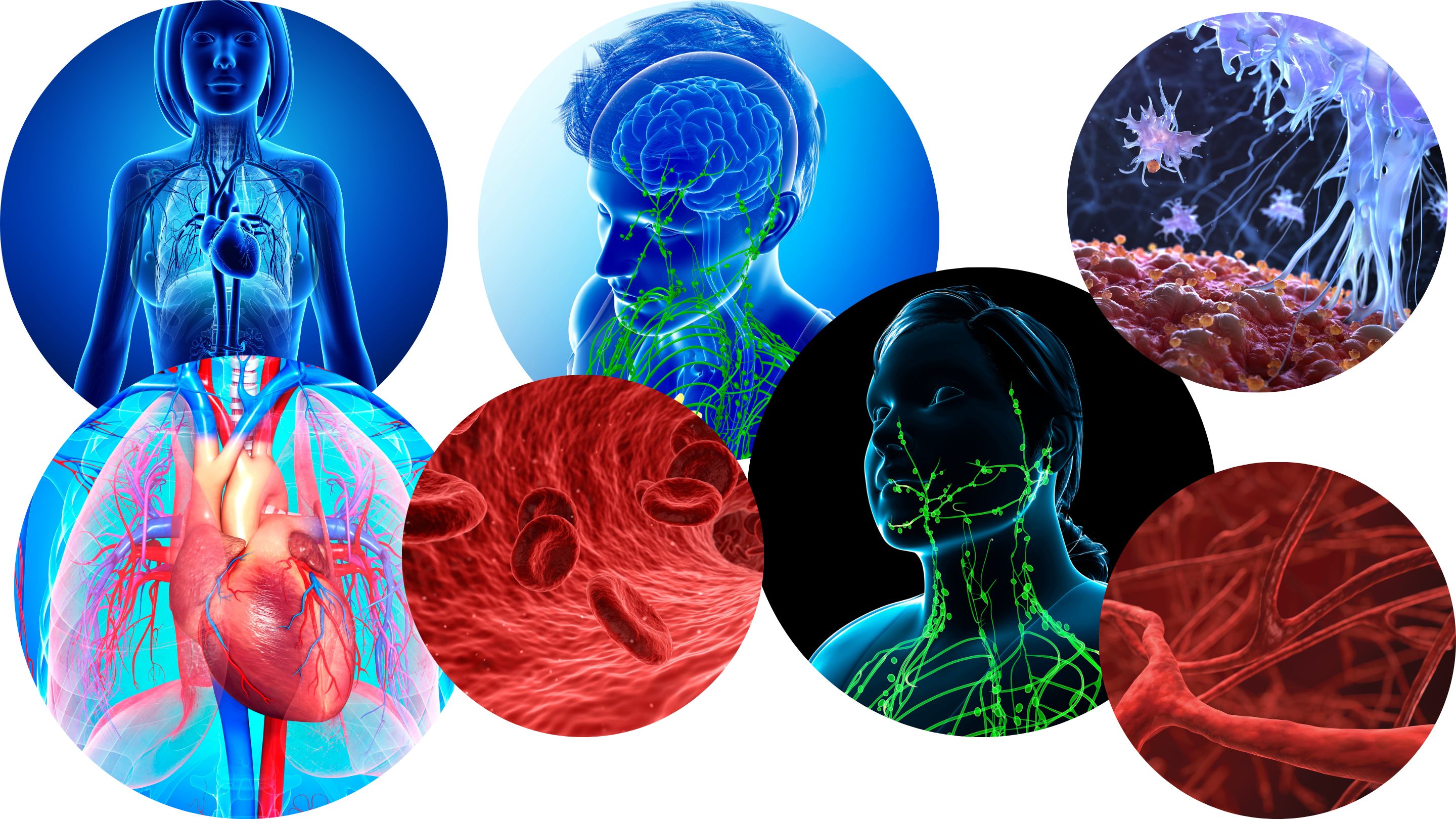
Upon completion of this module, students you will be able to:Student Learning Outcomes:
- Identify the components and anatomy of the lymphatic system.
- Discuss the role of the innate immune response against pathogens.
- Describe the power of the adaptive immune response to cure disease.
- Explain immunological deficiencies and over-reactions of the immune system.
- Discuss the role of the immune response in transplantation and cancer.
- Describe the interaction of the immune and lymphatic systems with other body systems.
-
Read the entire page. (5 minutes)
Rice University - 2022
-
Read the entire page. (50 minutes)
Rice University - 2022
-
Read the entire page. (33 minutes)
Rice University - 2022
-
Read the entire page. (40 minutes)
Rice University - 2022
-
Read the entire page. (29 minutes)
Rice University - 2022
-
Read the entire page. (20 minutes)
Rice University - 2022
-
Read the entire page. (26 minutes)
Rice University - 2022
-
Read the entire page. (25 minutes)
Rice University - 2022
- Identify the components and anatomy of the lymphatic system.
-
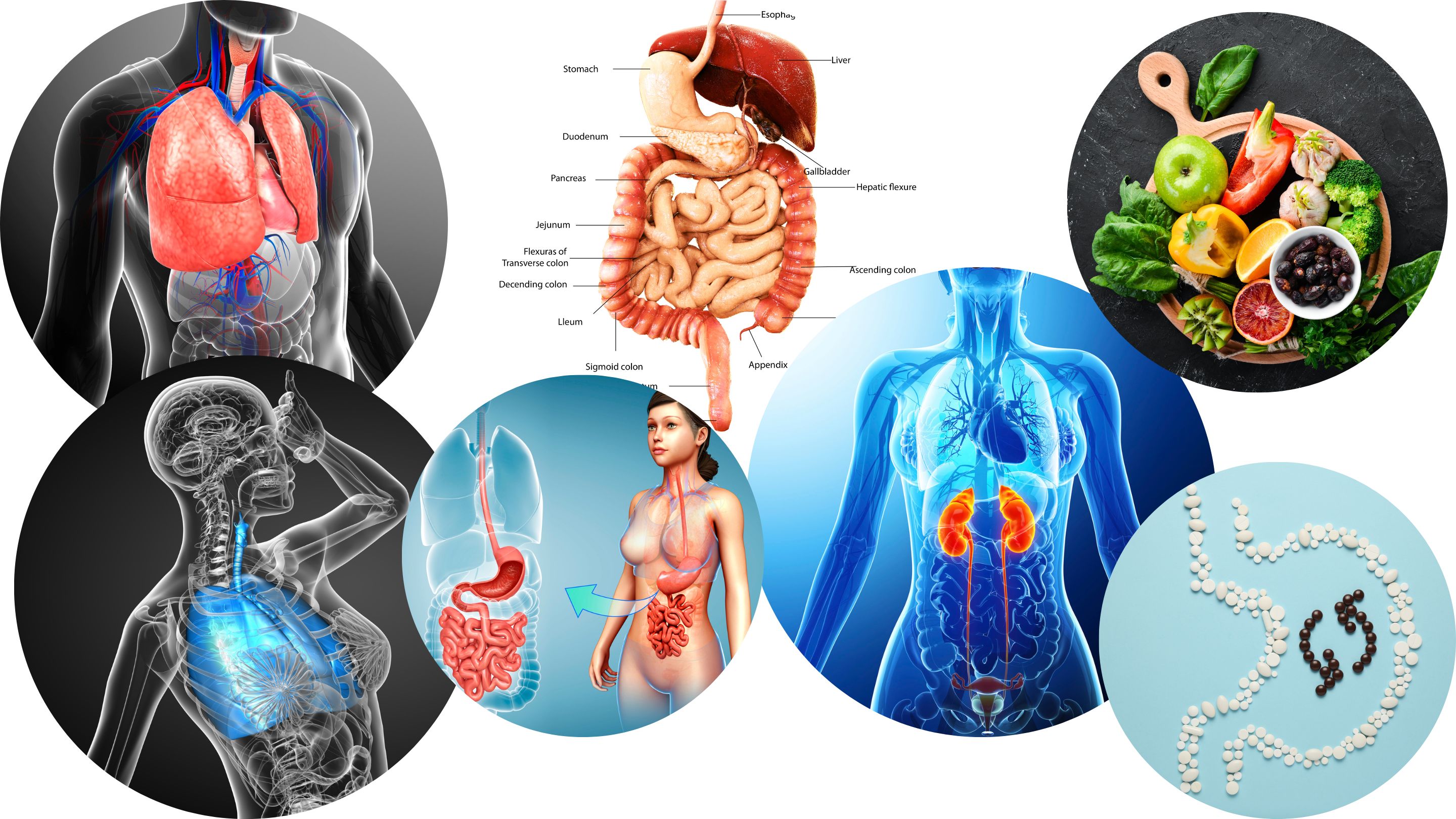 Instructional Goals covered in this module:
 -
Upon completion of this module, students you will be able to:Student Learning Outcomes:
- List the structures of the respiratory system.
- List the major functions of the respiratory system.
- Outline the forces that allow for air movement into and out of the lungs.
- Outline the process of gas exchange.
- Summarize the process of oxygen and carbon dioxide transport within the respiratory system.
- Create a flow chart illustrating how respiration is controlled.
- Discuss how the respiratory system responds to exercise.
- Describe the development of the respiratory system in the embryo.
-
Read the entire page. (4 minutes)
Rice University - 2022
-
Read the entire page. (38 minutes)
Rice University - 2022
-
Read the entire page. (15 minutes)
Rice University - 2022
-
Read the entire page. (50 minutes)
Rice University - 2022
-
Read the entire page. (29 minutes)
Rice University - 2022
-
Read the entire page. (27 minutes)
Rice University - 2022
-
Read the entire page. (14 minutes)
Rice University - 2022
-
Read the entire page. (13 minutes)
Rice University - 2022
- List the structures of the respiratory system.
-
Upon completion of this module, students you will be able to:Student Learning Outcomes:
- List and describe the functional anatomy of the organs and accessory organs of the digestive system.
- Discuss the processes and control of ingestion, propulsion, mechanical digestion, chemical digestion, absorption, and defecation.
- Discuss the roles of the liver, pancreas, and gallbladder in digestion.
- Compare and contrast the digestion of the three macronutrients.
-
Read the entire page. (3 minutes)
Rice University - 2022
-
Read the entire page. (29 minutes)
Rice University - 2022
-
Read the entire page. (20 minutes)
Rice University - 2022
-
Read the entire page. (49 minutes)
Rice University - 2022
-
Read the entire page. (32 minutes)
Rice University - 2022
-
Read the entire page. (57 minutes)
Rice University - 2022
-
Read the entire page. (25 minutes)
Rice University - 2022
-
Read the entire page. (35 minutes)
Rice University - 2022
- List and describe the functional anatomy of the organs and accessory organs of the digestive system.
-
Upon completion of this module, students you will be able to:Student Learning Outcomes:
- Describe the processes involved in anabolic and catabolic reactions.
- List and describe the steps necessary for carbohydrate, lipid, and protein metabolism.
- Explain the processes that regulate glucose levels during the absorptive and postabsorptive states.
- Explain how metabolism is essential to maintaining body temperature (thermoregulation).
- Summarize the importance of vitamins and minerals in the diet.
-
Read the entire page. (4 minutes)
Rice University - 2022
-
Read the entire page. (23 minutes)
Rice University - 2022
-
Read the entire page. (41 minutes)
Rice University - 2022
-
Read the entire page. (17 minutes)
Rice University - 2022
-
Read the entire page. (15 minutes)
Rice University - 2022
-
Read the entire page. (13 minutes)
Rice University - 2022
-
Read the entire page. (10 minutes)
Rice University - 2022
-
Read the entire page. (26 minutes)
Rice University - 2022
- Describe the processes involved in anabolic and catabolic reactions.
-
Upon completion of this module, students you will be able to:Student Learning Outcomes:
- Describe the composition of urine.
- Label structures of the urinary system.
- Characterize the roles of each of the parts of the urinary system.
- Illustrate the macroscopic and microscopic structures of the kidney.
- Trace the flow of blood through the kidney.
- Outline how blood is filtered in the kidney nephron.
- Provide symptoms of kidney failure.
- List some of the solutes filtered, secreted, and reabsorbed in different parts of the nephron.
- Describe the role of a portal system in the kidney.
- Explain how urine osmolarity is hormonally regulated.
- Describe the regulation of major ions by the kidney.
- Summarize the role of the kidneys in maintaining acid–base balance.
-
Read the entire page. (5 minutes)
Rice University - 2022
-
Read the entire page. (15 minutes)
Rice University - 2022
-
Read the entire page. (18 minutes)
Rice University - 2022
-
Read the entire page. (13 minutes)
Rice University - 2022
-
Read the entire page. (21 minutes)
Rice University - 2022
-
Read the entire page. (18 minutes)
Rice University - 2022
-
Read the entire page. (50 minutes)
Rice University - 2022
-
Read the entire page. (9 minutes)
Rice University - 2022
-
Read the entire page. (14 minutes)
Rice University - 2022
-
Read the entire page. (18 minutes)
Rice University - 2022
-
Read the entire page. (14 minutes)
Rice University - 2022
- Describe the composition of urine.
-
Upon completion of this module, students you will be able to:Student Learning Outcomes:
- Identify the body’s main fluid compartments.
- Define plasma osmolality and identify two ways in which plasma osmolality is maintained.
- Identify the six ions most important to the function of the body.
- Define buffer and discuss the role of buffers in the body.
- Explain why bicarbonate must be conserved rather than reabsorbed in the kidney.
- Identify the normal range of blood pH and name the conditions where one has a blood pH that is either too high or too low.
-
Read the entire page. (2 minutes)
Rice University - 2022
-
Read the entire page. (37 minutes)
Rice University - 2022
-
Read the entire page. (18 minutes)
Rice University - 2022
-
Read the entire page. (30 minutes)
Rice University - 2022
-
Read the entire page. (30 minutes)
Rice University - 2022
-
Read the entire page. (20 minutes)
Rice University - 2022
- Identify the body’s main fluid compartments.
-
-
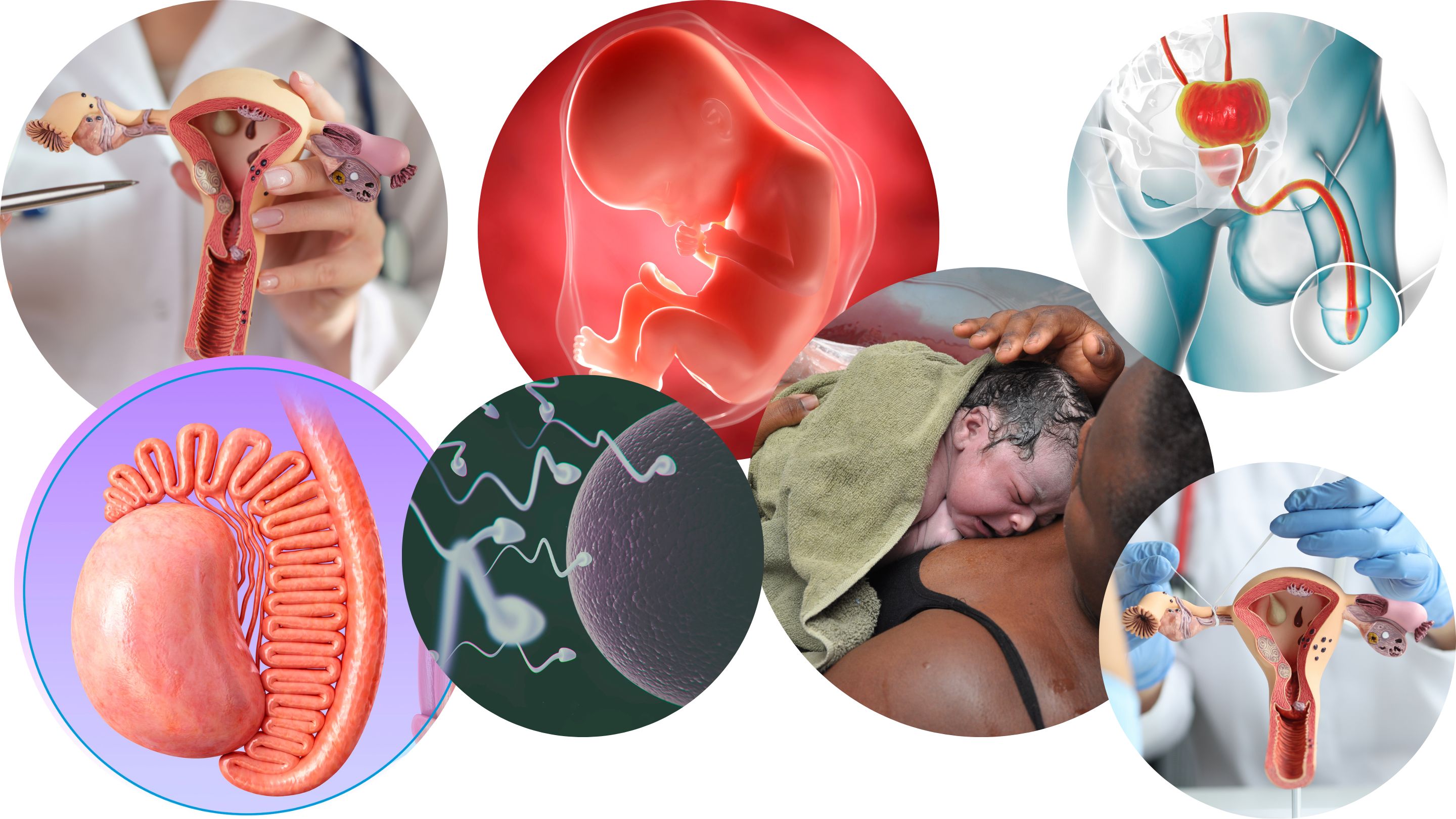
Upon completion of this module, students you will be able to:Student Learning Outcomes:
- Describe the anatomy of the reproductive systems, including their accessory structures.
- Explain the role of hypothalamic and pituitary hormones in reproductive function.
- Trace the path of a sperm cell from its initial production through fertilization of an oocyte.
- Explain the events in the ovary prior to ovulation.
- Describe the development and maturation of the sex organs and the emergence of secondary sex characteristics during puberty.
-
Read the entire page. (2 minutes)
Rice University - 2022
-
Read the entire page. (56 minutes)
Rice University - 2022
-
Read the entire page. (86 minutes)
Rice University - 2022
-
Read the entire page. (16 minutes)
Rice University - 2022
- Describe the anatomy of the reproductive systems, including their accessory structures.
-
Upon completion of this module, students you will be able to:Student Learning Outcomes:
- List and explain the steps involved in fertilization.
- Describe the major events in embryonic development..
- Describe the major events in fetal development.
- Describe the physiologic adjustments that the newborn must make in the first hours of extrauterine life.
- Summarize the physiology of lactation.
- Classify and describe the different patterns of inheritance.
Click here to start this lesson
-
Read the entire page. (2 minutes)
Rice University - 2022
-
Read the entire page. (22 minutes)
Rice University - 2022
-
Read the entire page. (45 minutes)
Rice University - 2022
-
Read the entire page. (23 minutes)
Rice University - 2022
-
Read the entire page. (33 minutes)
Rice University - 2022
-
Read the entire page. (15 minutes)
Rice University - 2022
-
Read the entire page. (15 minutes)
Rice University - 2022
-
Read the entire page. (51 minutes)
Rice University - 2022
- List and explain the steps involved in fertilization.
-
-
To take the final exam, you must complete all quizzes and complete all the required activities. The final exam consists of 40 questions, and you will have 40 minutes to complete it. When the time is over, you will have two minutes to submit your attempt before it expires, and your progress is discarded. You will not be able to answer additional questions in the grace period.
To access the exam, click on the name of the exam provided above. On the following screen, click the attempt quiz button to respond to the questions.
-
-

In this section, you can provide feedback about this course to help us make NextGenU.org better. Once evaluations are completed, you will be able to download your certificate of completion.
Click here give your feedback


 Instructional Goals covered in this module:
 Instructional Goals covered in this module:
 Instructional Goals covered in this module:
 Instructional Goals covered in this module:
 Instructional Goals covered in this module: