
-
Introduction
-
Students mustStudent must submit this questionnaire to complete it
Show More-

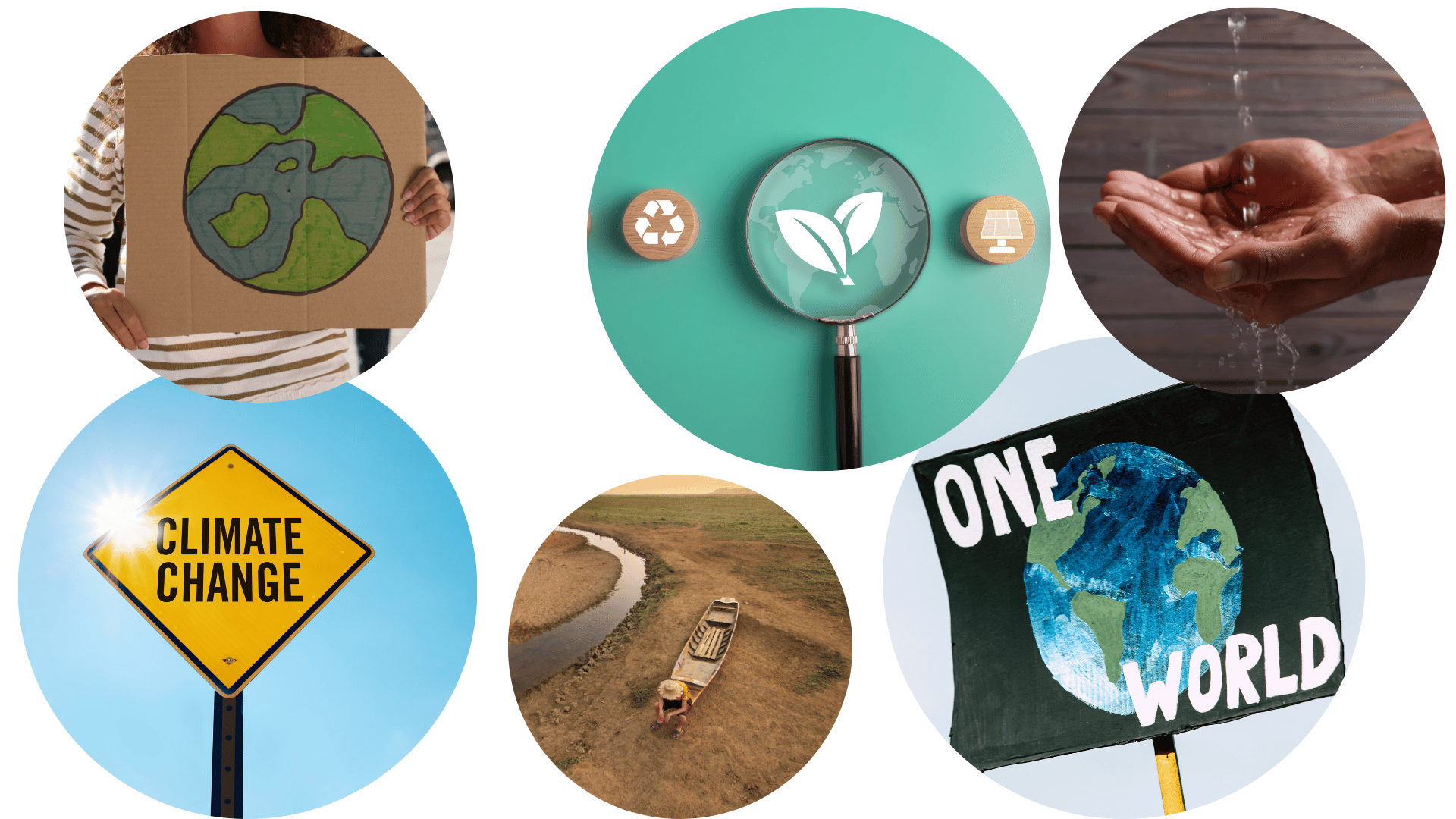
This virtual course is designed to build public understanding of climate change and its impacts on health across the Caribbean, empowering individuals and communities to protect themselves from climate-related risks, engage in climate action and advocacy, and strengthen community resilience. Through this course, you will develop key competencies in understanding the fundamentals of climate change and its health impacts, identifying local climate-related health risks, applying practical adaptation strategies at personal and community levels, and participating in climate change advocacy and action.
This course aligns with PAHO’s Strategic Plan and the Sustainable Development Goals (SDGs), particularly SDG 3 (Good Health and Well-being) and SDG 13 (Climate Action). It reinforces PAHO’s commitment to equipping communities with the knowledge and tools to address climate-related health challenges across the Caribbean region. It is developed for community leaders, civil society organizations, members of the general public, and anyone interested in climate change and health in the Caribbean.
This course was sponsored by the Pan American Health Organisation (PAHO) and delivered through PAHO’s Virtual Campus for Public Health (VCPH) platform. The course was created by Anne Peterson (MD, MPH), Alixandria Ali (BSc, PGDip), Daniel Luna (MD, DiplEd, DiplUS), Lorena Botello (MBBS, DipHE, DDU), and Reisha Narine (BSc, MSc).The technical content of the course has been reviewed by WHO/PAHO contributors, including Dr. Karen Polson-Edwards, Advisor in Climate and Environmental Determinants of Health at PAHO, and Dr. Kim Newton-James.
There are four (4) modules to complete, which include:
- Module 1: Introduction to Climate Change and Its Health Impacts
- Module 2: Climate Change Impacts on Food, Water, and Health
- Module 3: Specific Health Impacts of Climate Change
- Module 4: Adaptation, Mitigation, and Advocacy
The completion time for this course is estimated at 4 hours.
Requirements for completion of the course:
At the end of each module, there is a required practice quiz of ten (10) multiple-choice questions and a branching case logic activity. The course concludes with a cumulative final examination composed of multiple-choice questions. The required score of 80% or higher is needed to successfully complete the course. Once you’ve successfully completed the course, you will be able to download a certificate of completion from NextGenU.org, endorsed by PAHO.
We keep all of your personal information confidential, never sell any of your information, and only use anonymized data for research purposes. Also, we are happy to report your testing information and share your work with anyone (your school, employer, etc.) at your request.
Engaging with this course:
You may browse this course for free to learn for your personal enrichment; there are no requirements.
To PASS and Obtain a Certificate
- All reading requirements,
- All quizzes and pass with a 80% with unlimited attempts,
- Complete the Final Examination Quiz
- The self and course evaluation forms.
To obtain credit:
- Complete all requirements listed above for the certificate, and
- Your learning institution or workplace should approve the course for educational credit, as they would for their learner taking a course anywhere.
To obtain a degree, NextGenU.org co-sponsors degree programs with institutional partners. To obtain a full degree co-sponsored with NextGenU.org, you must be enrolled in a degree program as a student of a NextGenU.org institutional partner. If you think that your institution might be interested in offering a degree with NextGenU.org, contact us.
We hope that you will find this a rewarding learning experience, and we count on your assessment and feedback to help us improve this training for future students.
Here are the next steps to take the course and earn a certificate:
- Complete the registration form
- Begin the course with Module 1
In each lesson, read the description, complete all required readings and any required activity, and take the corresponding quizzes.
-
Student Learning Outcomes:
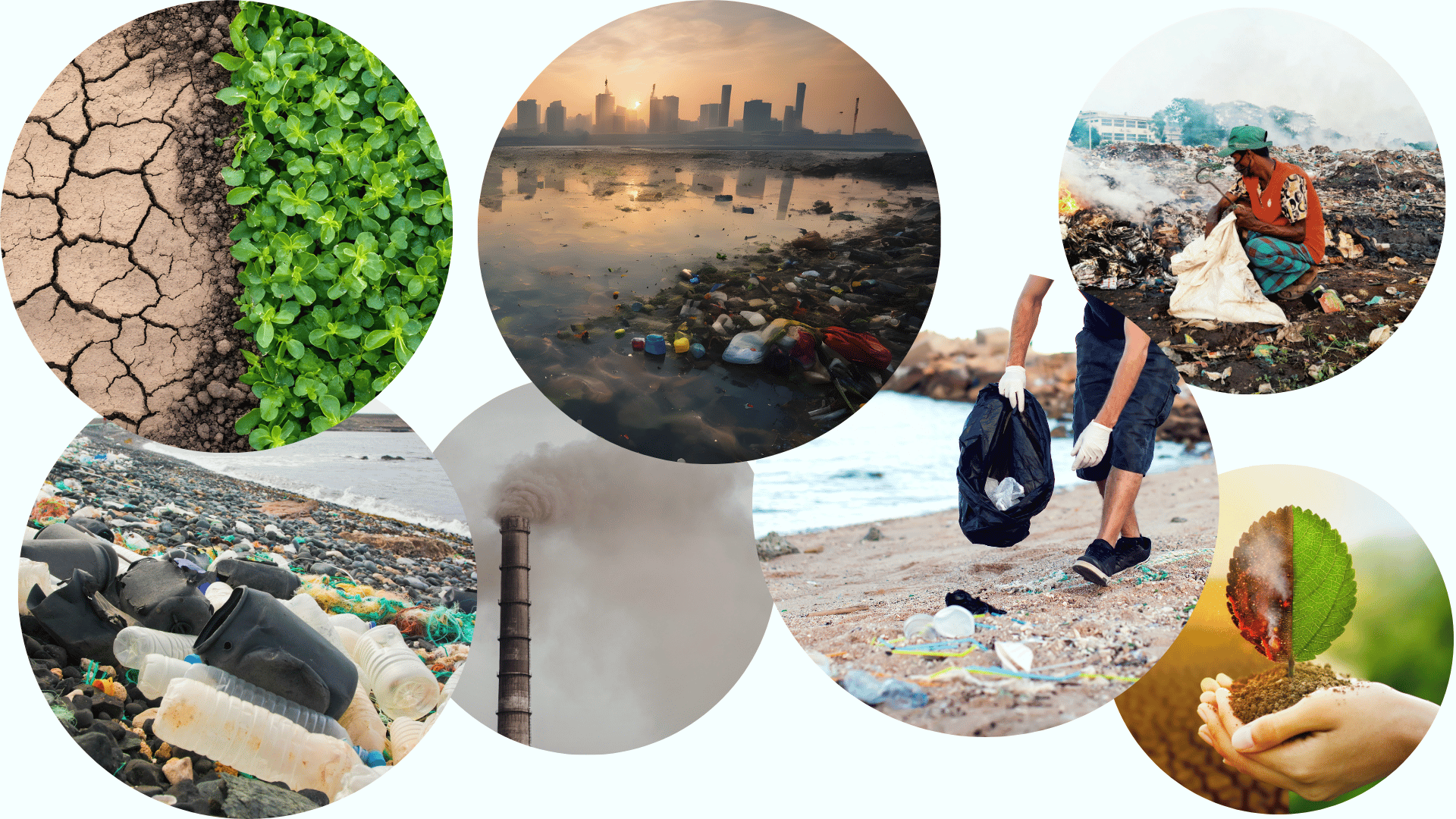
Upon completion of this lesson, you will be able to:
- Explain the causes of climate change, including greenhouse gas emissions, human activities, and natural causes
- Define and differentiate between climate change mitigation and adaptation with examples of each
- Identify the various impacts of climate change on the environment and society, with a focus on the Caribbean
- Describe the direct and indirect impacts of climate change on human health
- Define and identify "at-risk" populations in the context of climate change
Approximate time required for the readings for this lesson (at 144 words/minute): 0 hour and 0 minutes.
-
Students mustView
-
Students mustView
-
Students mustView
-
Students mustView
-
Students mustView
-
Students mustView
-
Students mustViewComplete the activity
-
Students mustViewComplete the activity
-
Students mustViewComplete the activity
-
Students mustViewComplete the activity
-
Quiz Module 1
To access the quiz, click on the name of the quiz provided above. On the following screen, click the attempt quiz button to view the case studies and respond to the questions.
TO PASS THIS QUIZ YOU MUST OBTAIN A SCORE OF 80%.
-
Student Learning Outcomes:
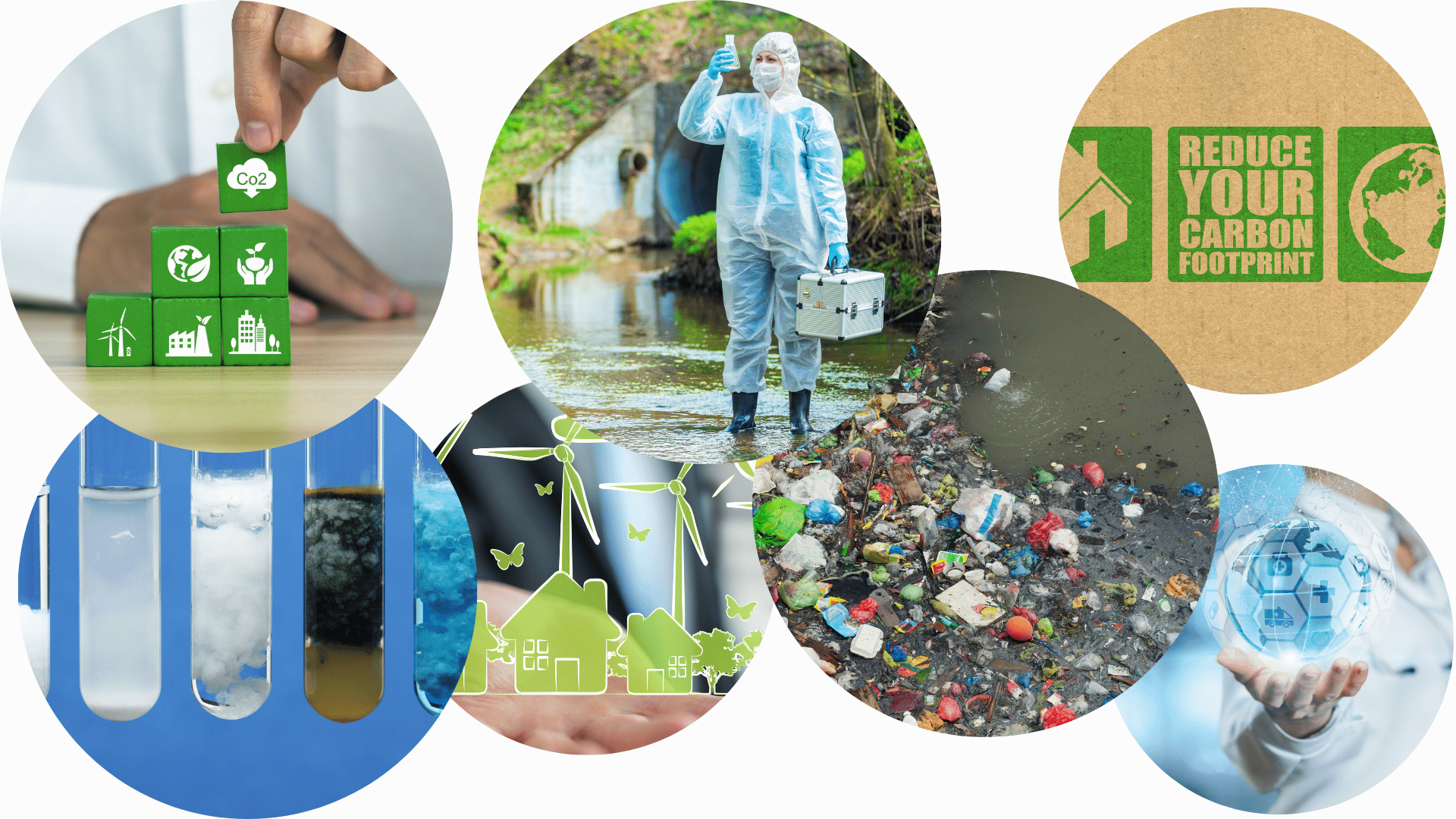
Upon completion of this lesson, you will be able to:
- Explain how climate change impacts agriculture, food production, and food security, particularly in the Caribbean
- Identify evidence-based strategies to safeguard food security and nutrition amid climate change in the Caribbean
- Explain how climate change affects water quality and availability
- Identify personal and community-level actions to protect water resources and prevent waterborne diseases
Approximate time required for the readings for this lesson (at 144 words/minute): 0 hour and 0 minutes.
-
Students mustView
-
Students mustView
-
Students mustView
-
Students mustView
-
Students mustView
-
Students mustView
-
Students mustViewComplete the activity
-
Students mustViewComplete the activity
-
Students mustViewComplete the activity
-
Quiz Module 2
To access the quiz, click on the name of the quiz provided above. On the following screen, click the attempt quiz button to view the case studies and respond to the questions.
TO PASS THIS QUIZ YOU MUST OBTAIN A SCORE OF 80%.
-
Student Learning Outcomes:
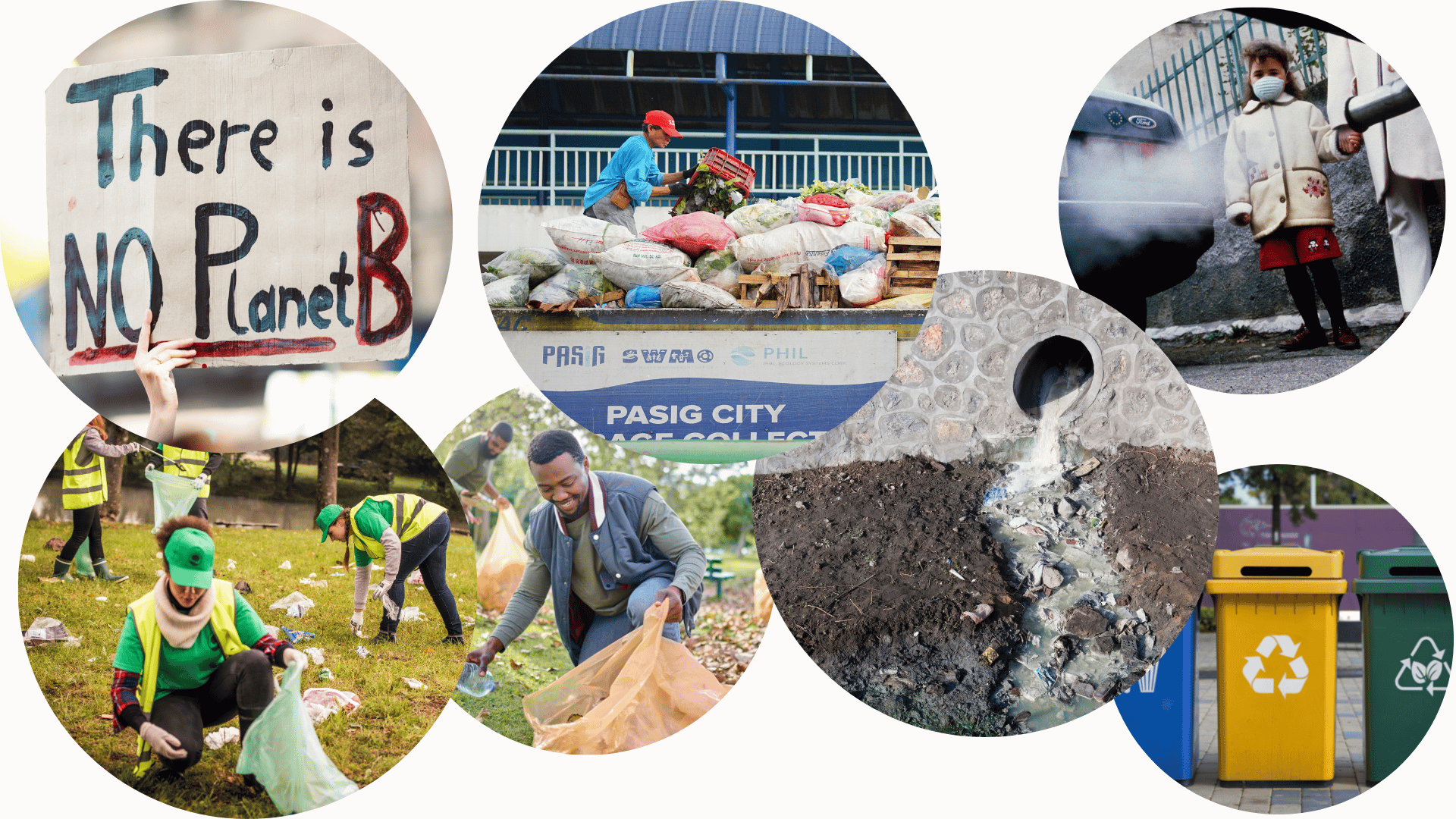
Upon completion of this lesson, you will be able to:
- Analyze the impact of climate change on air quality and related health outcomes, including effects of Saharan dust
- Explore how climate change affects the spread and distribution of vector-borne and zoonotic diseases
- Recognize the effects of climate change on heat-related illnesses
- Examine the impacts of climate change on mental health
- Discuss the relationship between extreme weather events and injury patterns
Approximate time required for the readings for this lesson (at 144 words/minute): 2 hours and 50 minutes.
-
Students mustView
-
Students mustView
-
Students mustView
-
Students mustView
-
Students mustView
-
Students mustView
-
Students mustViewComplete the activity
-
Students mustViewComplete the activity
-
Students mustViewComplete the activity
-
Students mustViewComplete the activity
-
Quiz Module 3
To access the quiz, click on the name of the quiz provided above. On the following screen, click the attempt quiz button to view the case studies and respond to the questions.
TO PASS THIS QUIZ YOU MUST OBTAIN A SCORE OF 80%.
-
Student Learning Outcomes:
Upon completion of this lesson, you will be able to:
- Identify personal steps to reduce health impacts related to climate change
- Identify community measures to reduce climate change-related health impacts
- Explain the role of community engagement in climate change mitigation and adaptation
- Describe the importance of advocacy and intersectoral collaboration in addressing climate change and health issues
- Apply effective communication strategies for climate change and health advocacy
Approximate time required for the readings for this lesson (at 144 words/minute): 2 hours and 50 minutes.
-
Students mustView
-
Students mustView
-
Students mustView
-
Students mustView
-
Students mustView
-
Students mustView
-
Students mustViewComplete the activity
-
Students mustViewComplete the activity
-
Students mustViewComplete the activity
-
Students mustViewComplete the activity
-
Quiz Module 4
To access the quiz, click on the name of the quiz provided above. On the following screen, click the attempt quiz button to view the case studies and respond to the questions.
TO PASS THIS QUIZ YOU MUST OBTAIN A SCORE OF 80%.
-

To take the final exam, you must complete all quizzes and complete all the required activities.
To access the exam, click on the name of the exam provided above. On the following screen, click the Attempt Quiz button to respond to the questions.
-
Final Exam Quiz
-
-
 In this section, you can provide feedback about this course to help us make NextGenU.org better. Once evaluations are completed, you will be able to download your certificate of completion.
-
Course Evaluation Questionnaire
-
Self Evaluation Questionnaire
-
