

Section: Module 4: Climate change and Public Health | Climate Change and Public Health | NextGenU.org
-
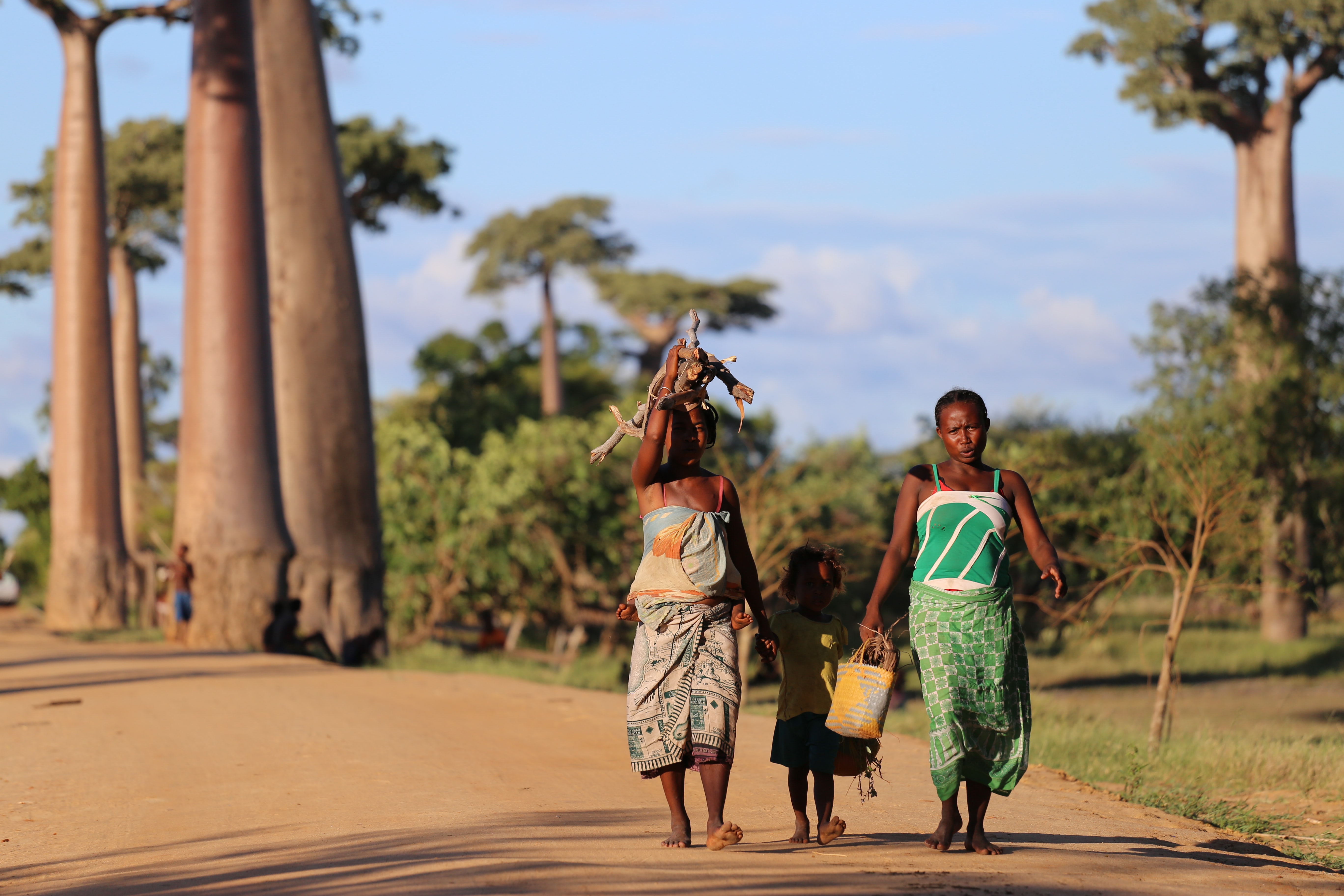 Instructional Goals covered in this module:
- Evaluate climate change-related vulnerabilities and identify strategies to protect and improve public health.
-
Students mustView
Read the content under the heading "Exposure and Vulnerability" (Click on 1.5 on the left of the screen). (3 minutes)
The Intergovernmental Panel on Climate Change (IPCC) -
Students mustView
Read the content under the heading "Key Message 1 Climate Change Affects the Health of All Americans" and "Key Message 2 Exposure and Resilience Vary Across Populations and Communities" on pages 543-548. (19 minutes)
U.S. Global Change Research Program -
Students mustView
Watch the entire video. (95 minutes)
Environmental and Energy Study Institute
-
Students mustView
Read the content under the heading "Review findings regarding observed impacts of extreme weather on health service infrastructure", until the heading "Findings regarding potential future impacts of extreme weather on health services in light of projected climate change and potential for adaptation". (9 minutes)
BioMed Central Limited -
Students mustView
Read the content under the heading "Environmental and Health Consequences of Climate Change" on pages 607-608 including "Table 1. Health Concerns Related to Climate Change". (5 minutes)
Journal of Nursing Scholarship -
Students mustView
Read the content under the heading "Climate Change and Health" on page 3 of 7 accessing through the menu on top of the webpage or by clicking "Next" 2 times at the bottom of the webpage. (28 minutes)
Pan American Health Organization (PAHO) -
Students mustView
Read the entire web page. (29 minutes)
United States Environmental Protection Agency (EPA) -
Students mustView
Read the content under the heading "Mental Health Impacts" on pages 2-3. (8 minutes)
European Parliament -
Students mustView
Read the content under the heading "Effects of More Gradual Climate Impacts" on pages 22-24. (7 minutes)
American Psychological Association -
Students mustView
Watch the entire lecture video The video explores the impact of climate change to mental health and substance use/abuse. (60 minutes)
-
Students mustViewStart discussions: 1
In this activity, you will analyze the impact of climate change effects on vulnerable populations.
Step 1: Click here and read the content under the heading “Immigration Issues and Harvey Recovery” on pages 29-32, and reflect on how vulnerable populations such as immigrants, particularly those who do not have legal resident status in the US, have endured health adversities in contrast to US residents in cities located at the US’s southern great plains during and after the events originated with Hurricane Harvey in 2017. [ 45 minutes]
Step 2: Prepare a 250 - 500 word piece of writing to summarize your reflections on how vulnerable populations such as immigrants are more exposed to developing adverse health repercussions from extreme events related to rapid climate change such as Hurricane Harvey in 2017. Ensure that your response also makes mention of the following :
How the impact of climate change on vulnerable populations can be linked to increases in substance use and mental health conditions. [105 minutes]
Step 3: To share your work, click on the “Add a new discussion topic” button under this post and paste your work in the “message” box. Make sure to reference others’ intellectual property when necessary. All references should follow 7th Edition APA formatting. For further instructions, see the resource on the Himmelfarb Health Sciences Library: APA citation resource (N.B. references are excluded from word counts). [10 minutes]
Step 4: To complete the activity, you will need to reply to at least two posts made by your peers in a respectful and professional manner. Be sure that your post engages your peers' ideas by including a reflection on their comments, sharing ideas of other potential difficulties and parties involved, or asking thought-provoking questions. If a peer comments on your posting, please reply. To post a reply, click “Reply” on a particular discussion, write your feedback and then click on “post to forum.” [10 minutes]OPTIONAL Step 5: Interact (10 minutes)
If you would like to, you can reply to your peers' posts in a respectful and professional manner. Ensure that your post engages your peers' ideas by including a reflection on their comments, sharing ideas of other potential difficulties and parties involved, or asking thought-provoking questions. If a peer comments on your posting, please reply. To post a reply, click “Reply” on a particular discussion, write your feedback and then click on “Post to forum.”
-
Read the content under the heading "Discussion" on pages 11-12. (11 minutes)
Environmental Research Letters
-
-
Students mustView
Read the content labeled as "Future Pathways for Adaptation, Mitigation, and Sustainable Development" (Click on the left of the screen). (3 minutes)
The Intergovernmental Panel on Climate Change (IPCC) -
Students mustView
Read the content under the heading "Public Health Adaptation Strategies for Climate Change". (16 minutes)
United States Environmental Protection Agency (EPA) -
Students mustView
Read the entire web page. (8 minutes)
The Lancet Planetary Health -
Students mustView
Read the content under the heading "Interaction among mitigation, adaptation and sustainable development" (Click on 3.5 on the left of the screen). (3 minutes)
The Intergovernmental Panel on Climate Change (IPCC) -
Students mustView
Read the entire web page. (6 minutes)
Australian Academy of Science -
Students mustView
Read the entire web page. (8 minutes)
Natural Resources Defense Council -
Students mustView
Read the content under the heading "1. Introduction", "2.1 Assessment", and "2.2 Policy Development" until the heading "2.3 Assurance". (43 minutes)
National Center for Biotechnology Information - U.S. National Library of Medicine -
Students mustView
Read the entire web page (23 minutes)
Science Journals- Sustainability
-
Students mustView
Read the entire document. (12 minutes)
Scientific Research Publishing (SCIRP)
-
Students mustView
Read the entire document (8 minutes)
American Journal of Preventive Medicine -
Students mustView
Read the entire web page (9 minutes)
The Lancet Planetary Health
-
Students mustViewStart discussions: 1
In this activity, you will create an essay evaluating the “Hurricane Harvey Response” vector control program by the Texas Department of State Health Services (480 min.)
Step 1: Click here and read the content under the heading “Vector Control” on pages 29-32 to assess the implementation of vector control as a primary health care response and evaluate its successful aspects and weaknesses.
Step 2: Prepare a 500 - 900 word reflective piece of writing to summarize your reasoning on the chosen topic. You should respond to the following questions and any others you may have:
What sectors may benefit from the outcomes resulting from the implementation of this primary health care response?
What are the health implications of the implementation of this primary health care response?
How can local or national programs contribute to developing better responses to climate change adversities with the identified areas for improvement of this institutional program?
Step 3: Before you submit, engage in an introspective self-analysis by systematically reviewing each component of your work. Reflect on what aspects of your work were executed well and what could be enhanced. Proceed to refine these elements in your work.
Step 4: To submit your work, click on the “Reply” button under this post and paste your work in the “message” box. Make sure to reference others’ intellectual property when necessary. All references should follow 7th Edition APA formatting. For further instructions, see the resource on the Himmelfarb Health Sciences Library: APA citation resource (N.B. references are excluded from word counts).
OPTIONAL Step 5: Interact (10 minutes)
If you would like to, you can reply to your peers' posts in a respectful and professional manner. Ensure that your post engages your peers' ideas by including a reflection on their comments, sharing ideas of other potential difficulties and parties involved, or asking thought-provoking questions. If a peer comments on your posting, please reply. To post a reply, click “Reply” on a particular discussion, write your feedback and then click on “Post to forum.”
-
Quiz: Module 4
To access the quiz, click on the name of the quiz provided above. On the following screen, click the "Preview quiz now" button to respond to the questions.
TO PASS THIS QUIZ, YOU MUST OBTAIN A SCORE OF 25/31