

Section: Module 5: Energy, Maintenance, and Environmental Exchange | Anatomy and Physiology | NextGenU.org
-
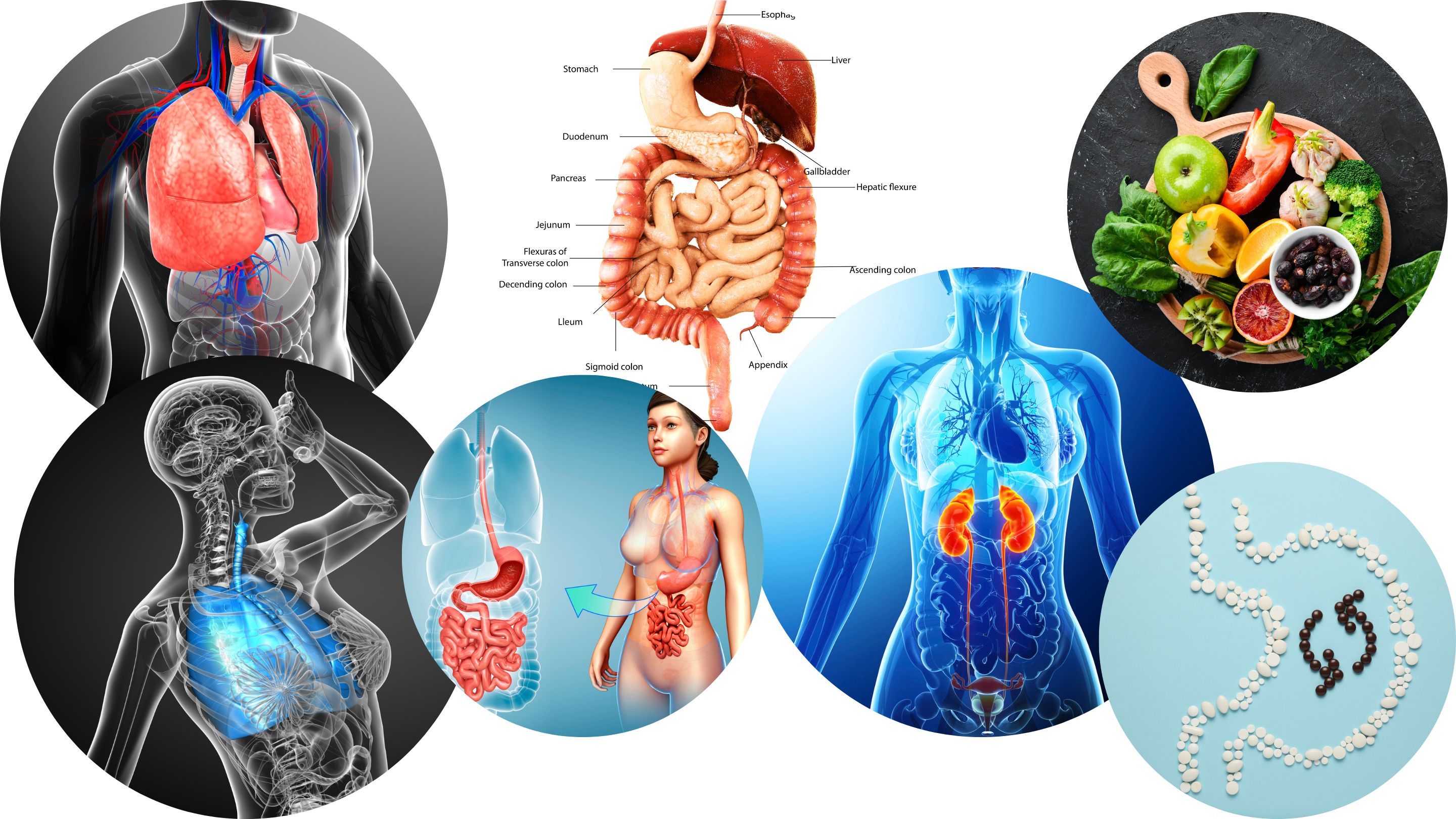
In this module, you will discover the interaction between body systems and the outside environment for the exchange of materials, the capture of energy, the release of waste, and the overall maintenance of the internal systems that regulate the exchange. The explanations and illustrations are particularly focused on how structure relates to function.
-
Students mustMark as done
Read the entire page. (4 minutes)
Rice University - 2022
-
Students mustMark as done
Read the entire page. (38 minutes)
Rice University - 2022
-
-
Students mustMark as done
Read the entire page. (50 minutes)
Rice University - 2022
-
Students mustMark as done
Read the entire page. (29 minutes)
Rice University - 2022
-
Students mustMark as done
Read the entire page. (27 minutes)
Rice University - 2022
-
Students mustMark as done
Read the entire page. (14 minutes)
Rice University - 2022
-
Students mustMark as done
Read the entire page. (13 minutes)
Rice University - 2022
-
Students mustViewStart discussions: 1
General Instructions
In the following activity, you must describe and explain the signs and symptoms of someone traveling to another country.
Step 1 - Review
Imagine a scenario in which a person who traveled from New York to Alaska had breathing difficulties in the first week. He has since been living in Alaska for a year without any breathing problems.
Step 2 - Respond
In 400 words, describe the process of the adaptation of the respiratory system at the cellular level. Take into account and use the following keywords in your description:
- Hyperpnea
- Ventilation Control Centers
- Acute mountain sickness (AMS)
- Acclimatization
- Ventilation and Perfusion
- External and Internal Respiration
- Henry’s law
Step 3: Share
To share your work, click the “Add a new discussion topic” button under this post and paste your work into the “Message” box. Make sure to reference others’ intellectual property when necessary. All references should follow 7th Edition APA formatting. For further instructions, see the resource on the Himmelfarb Health Sciences Library: APA citation resource (N.B. references are excluded from word counts).
Step 4: Interact
To complete the activity, you need to post a reply. Click “Reply” on the main discussion, and then click “Post to forum.”
OPTIONAL Step 5: Interact (10 minutes)
If you would like to, you can reply to your peers' posts in a respectful and professional manner. Ensure that your post engages your peers' ideas by including a reflection on their comments, sharing ideas of other potential difficulties and parties involved, or asking thought-provoking questions. If a peer comments on your posting, please reply. To post a reply, click “Reply” on a particular discussion, write your feedback and then click on “Post to forum.”
-
Students mustMark as done
Read the entire page. (3 minutes)
Rice University - 2022
-
Students mustMark as done
Read the entire page. (29 minutes)
Rice University - 2022
-
Students mustMark as done
Read the entire page. (20 minutes)
Rice University - 2022
-
Students mustMark as done
Read the entire page. (49 minutes)
Rice University - 2022
-
Students mustMark as done
Read the entire page. (32 minutes)
Rice University - 2022
-
Students mustMark as done
Read the entire page. (57 minutes)
Rice University - 2022
-
Students mustMark as done
Read the entire page. (25 minutes)
Rice University - 2022
-
Students mustMark as done
Read the entire page. (35 minutes)
Rice University - 2022
-
Students mustMark as done
Read the entire page. (4 minutes)
Rice University - 2022
-
Students mustMark as done
Read the entire page. (23 minutes)
Rice University - 2022
-
Students mustMark as done
Read the entire page. (41 minutes)
Rice University - 2022
-
Students mustMark as done
Read the entire page. (17 minutes)
Rice University - 2022
-
Students mustMark as done
Read the entire page. (15 minutes)
Rice University - 2022
-
Students mustMark as done
Read the entire page. (13 minutes)
Rice University - 2022
-
Students mustMark as done
Read the entire page. (10 minutes)
Rice University - 2022
-
Students mustMark as done
Read the entire page. (26 minutes)
Rice University - 2022
-
Students mustViewStart discussions: 1
General Instructions
In the following activity, pay attention to the diagram and the elements named, and follow the instructions given.
Step 1 - Review
Pay close attention to the following image.
Step 2 - Respond
Describe in detail and in order the passage of the food bolus from its entry to the exit of the human body. Stop at the organs named in the image and describe the synthesis, the substances in charge and the hormones involved during the process.
Detail the differences between carbohydrate/lipid and protein metabolism.
Make a simple diagram of the ATP Cycle.
Analyze and exemplify what foods should be consumed to prevent the following diseases or disorders: Anemia / Beriberi, Wernicke-Korsakoff Syndrome / Muscle Cramps / Hypothyroidism.
Step 3: Share
To share your work, click the “Add a new discussion topic” button under this post and paste your work into the “Message” box. Make sure to reference others’ intellectual property when necessary. All references should follow 7th Edition APA formatting. For further instructions, see the resource on the Himmelfarb Health Sciences Library: APA citation resource (N.B. references are excluded from word counts).
Step 4: Interact
To complete the activity, you need to post a reply. Click “Reply” on the main discussion, and then click “Post to forum.”
OPTIONAL Step 5: Interact (10 minutes)
If you would like to, you can reply to your peers' posts in a respectful and professional manner. Ensure that your post engages your peers' ideas by including a reflection on their comments, sharing ideas of other potential difficulties and parties involved, or asking thought-provoking questions. If a peer comments on your posting, please reply. To post a reply, click “Reply” on a particular discussion, write your feedback and then click on “Post to forum.”
-
Students mustMark as done
Read the entire page. (5 minutes)
Rice University - 2022
-
Students mustMark as done
Read the entire page. (15 minutes)
Rice University - 2022
-
Students mustMark as done
Read the entire page. (18 minutes)
Rice University - 2022
-
Students mustMark as done
Read the entire page. (13 minutes)
Rice University - 2022
-
Students mustMark as done
Read the entire page. (21 minutes)
Rice University - 2022
-
Students mustMark as done
Read the entire page. (18 minutes)
Rice University - 2022
-
Students mustMark as done
Read the entire page. (50 minutes)
Rice University - 2022
-
Students mustMark as done
Read the entire page. (9 minutes)
Rice University - 2022
-
Students mustMark as done
Read the entire page. (14 minutes)
Rice University - 2022
-
Students mustMark as done
Read the entire page. (18 minutes)
Rice University - 2022
-
Students mustMark as done
Read the entire page. (14 minutes)
Rice University - 2022
-
Students mustMark as done
Read the entire page. (2 minutes)
Rice University - 2022
-
Students mustMark as done
Read the entire page. (37 minutes)
Rice University - 2022
-
Students mustMark as done
Read the entire page. (18 minutes)
Rice University - 2022
-
Students mustMark as done
Read the entire page. (30 minutes)
Rice University - 2022
-
Students mustMark as done
Read the entire page. (30 minutes)
Rice University - 2022
-
Students mustMark as done
Read the entire page. (20 minutes)
Rice University - 2022
-
Students mustViewStart discussions: 1
General Instructions
In the following activity, you will have to recapitulate, remember and explain the physiological facts that the order indicates.
Step 1 - Review
Analyze the following scenario:
A 70-year-old lady admitted to the emergency service presents fatigue, shortness of breath, confusion, nausea, weakness, and irregular heartbeat. She has fluid retention, causing swelling in her ankles, and has not presented urine for two days. The relative who accompanies her says that the patient is diabetic, but it is not controlled and does not follow adequate treatment.
Step 2 - Respond
- Does the patient have acute or chronic renal failure?
- What signs lead you to the conclusion of renal failure?
- Explains the role of the Renin-Angiotensin system and how it is affected in the patient, taking into account the pathological history of diabetes.
- If the patient does not present bladder retention, is there something mechanical that is obstructing the urine? Why does she not present diuresis?
- Why is the patient breathing like this? Is she trying to regulate her body? What acid-base alterations are present in this case?
Step 3: Share
To share your work, click the “Add a new discussion topic” button under this post and paste your work into the “Message” box. Make sure to reference others’ intellectual property when necessary. All references should follow 7th Edition APA formatting. For further instructions, see the resource on the Himmelfarb Health Sciences Library: APA citation resource (N.B. references are excluded from word counts).
Step 4: Interact
To complete the activity, you need to post a reply. Click “Reply” on the main discussion, and then click “Post to forum.”
OPTIONAL Step 5: Interact (10 minutes)
If you would like to, you can reply to your peers' posts in a respectful and professional manner. Ensure that your post engages your peers' ideas by including a reflection on their comments, sharing ideas of other potential difficulties and parties involved, or asking thought-provoking questions. If a peer comments on your posting, please reply. To post a reply, click “Reply” on a particular discussion, write your feedback and then click on “Post to forum.”
-
Students mustViewReceive a gradeReceive a passing grade
To access the quiz, click on the name of the quiz provided above. On the following screen, click the "Preview quiz now" button to respond to the questions.
