

Section: Module 4: Fluids and Transport | Anatomy and Physiology | NextGenU.org
-
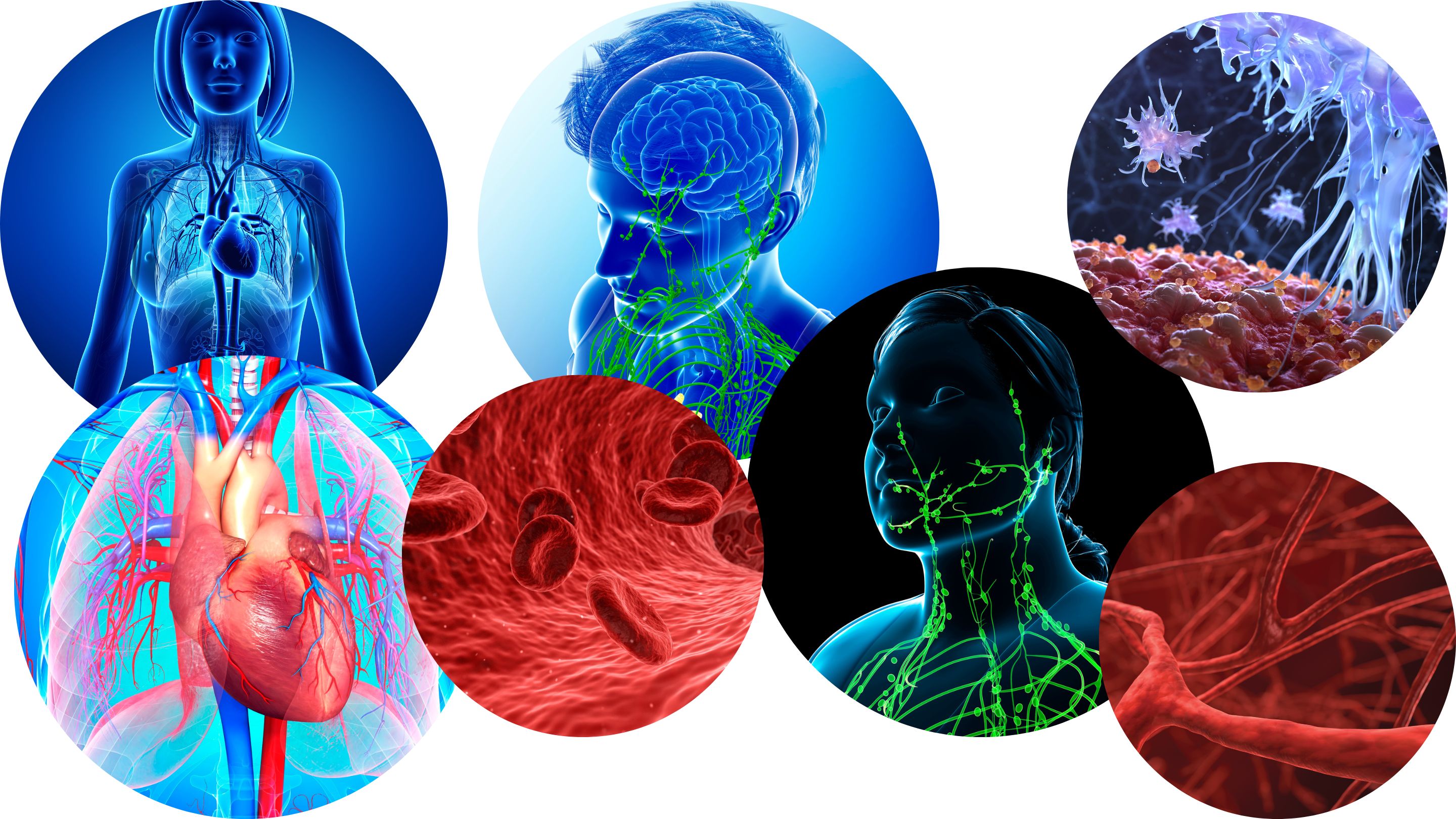
You will examine the principal means of transport for materials needed to support the human body, regulate its internal environment, and provide protection.
-
Students mustMark as done
Read the entire page. (2 minutes)
Rice University - 2022
-
Students mustMark as done
Read the entire page. (25 minutes)
Rice University - 2022
-
Students mustMark as done
Read the entire page. (20 minutes)
Rice University - 2022
-
Students mustMark as done
Read the entire page. (38 minutes)
Rice University - 2022
-
Students mustMark as done
Read the entire page. (31 minutes)
Rice University - 2022
-
-
Students mustMark as done
Read the entire page. (25 minutes)
Rice University - 2022
-
Students mustMark as done
Read the entire page. (3 minutes)
Rice University - 2022
-
Students mustMark as done
Read the entire page. (105 minutes)
Rice University - 2022
-
Students mustMark as done
Read the entire page. (57 minutes)
Rice University - 2022
-
Students mustMark as done
Read the entire page. (21 minutes)
Rice University - 2022
-
Students mustMark as done
Read the entire page. (61 minutes)
Rice University - 2022
-
Students mustMark as done
Read the entire page. (6 minutes)
Rice University - 2022
-
Students mustMark as done
Read the entire page. (2 minutes)
Rice University - 2022
-
Students mustMark as done
Read the entire page. (57 minutes)
Rice University - 2022
-
Students mustMark as done
Read the entire page. (56 minutes)
Rice University - 2022
-
Students mustMark as done
Read the entire page. (15 minutes)
Rice University - 2022
-
Students mustMark as done
Read the entire page. (49 minutes)
Rice University - 2022
-
Students mustMark as done
Read the entire page. (122 minutes)
Rice University - 2022
-
Students mustMark as done
Read the entire page. (10 minutes)
Rice University - 2022
-
Students mustViewStart discussions: 1
General Instructions
In the following activity, you will review two case studies and answer questions about blood, its composition, the physiology of the cardiovascular system, and other key points to understand the lesson. Read carefully.
Step 1 - Review
Read the two case studies below of two different people and answer the questions. Use the terminology learned so far and explain in a detailed and orderly manner the processes developed in the human body and how you would reverse the problem.
Case Study 1:
Following a motor vehicle accident, a patient is rushed to the emergency department with multiple traumatic injuries, causing severe bleeding. The patient’s condition is critical, and there is no time for determining their blood type. The patient has a blood pressure of 70/45mmHG, is confused, and complaining of thirst.
Case Study 2:
A female patient with obesity comes to the clinic complaining of swollen feet and ankles, fatigue, shortness of breath, and often a feeling of “rest.” She sometimes feels tingling and numbness in her arms. She is a cashier at a grocery store, requiring her to be on her feet all day. Outside of work, she does not engage in any physical activities. She confesses that she finds it uncomfortable to walk due to her weight. A couple of months ago, she was diagnosed with Arteriosclerosis, and the doctors explained that her cholesterol is high, but she has not followed any treatment.
Step 2 - Respond
Case Study 1
- What blood type is transfused, and why?
- Would the following vital signs: heart rate, respiratory rate, and temperature be normal or abnormal? Explain why.
- Explain the relation between blood flow, blood pressure, and resistance interrelate when the human body has lost a considerable amount of blood as in this case.
Case Study 2
- Identify the ventricle of the heart that pumps oxygen-depleted blood and the arteries of the body that carry oxygen-depleted blood.
- Explain how the skeletal muscle pump might affect this patient's signs and symptoms.
- Explain the Arteriosclerosis and what could happen to her body if she did not get treated for this disease.
Step 3: Share
To share your work, click the “Add a new discussion topic” button under this post and paste your work into the “Message” box. Make sure to reference others’ intellectual property when necessary. All references should follow 7th Edition APA formatting. For further instructions, see the resource on the Himmelfarb Health Sciences Library: APA citation resource (N.B. references are excluded from word counts).
Step 4: Interact
To complete the activity, you need to post a reply. Click “Reply” on the main discussion, and then click “Post to forum.”
OPTIONAL Step 5: Interact (10 minutes)
If you would like to, you can reply to your peers' posts in a respectful and professional manner. Ensure that your post engages your peers' ideas by including a reflection on their comments, sharing ideas of other potential difficulties and parties involved, or asking thought-provoking questions. If a peer comments on your posting, please reply. To post a reply, click “Reply” on a particular discussion, write your feedback and then click on “Post to forum.”
-
Students mustMark as done
Read the entire page. (5 minutes)
Rice University - 2022
-
Students mustMark as done
Read the entire page. (50 minutes)
Rice University - 2022
-
Students mustMark as done
Read the entire page. (33 minutes)
Rice University - 2022
-
Students mustMark as done
Read the entire page. (40 minutes)
Rice University - 2022
-
Students mustMark as done
Read the entire page. (29 minutes)
Rice University - 2022
-
Students mustMark as done
Read the entire page. (20 minutes)
Rice University - 2022
-
Students mustMark as done
Read the entire page. (26 minutes)
Rice University - 2022
-
Students mustMark as done
Read the entire page. (25 minutes)
Rice University - 2022
-
Students mustViewStart discussions: 1
General Instructions
In the following activity, pay attention to the following 3 scenarios and explain the immune response of the human body in each case.
Step 1 - Review
Evaluate the following scenarios.
Scenario A:
Ayrton is a teenager who has a peanut allergy. Unfortunately, he has just ingested it at a restaurant without realizing it. He starts to feel unwell.
Scenario B:
A couple enters to doctor's office. They indicate that they want to have a second child. In the first pregnancy, there was an accident when she was 7 months pregnant. The mother refers she is RH negative, and her partner is RH positive.
Scenario C:
Thom is a boy playing on his tricycle. He suddenly falls on the pavement. Fortunately, it was a slight fall. However, his ankle and left cheekbone are swollen. His mother applied an ointment, and in a few days, the condition subsided.
Step 2 - Respond
Explain in 100 words the immune reaction of each scenario. Follow the guideline questions.
Scenario A:
What is the process that his body goes through called?
What signs does his body begin to show?
What symptoms start?
What is going on physiologically and anatomically within his body?Scenario B:
In a second child, could there be a hemolytic disease in the newborn? Why?
Is there any danger considering that the first baby was not born?
What would happen in the mother's body if she became pregnant?
Is there a way to prevent the consequences of the Rh factor?Scenario C:
What are the characteristic signs of inflammation?
Was the inflammation in Thom's body an innate or acquired response?
Explain what the inflammatory response is.Step 3: Share
To share your work, click the “Add a new discussion topic” button under this post and paste your work into the “Message” box. Make sure to reference others’ intellectual property when necessary. All references should follow 7th Edition APA formatting. For further instructions, see the resource on the Himmelfarb Health Sciences Library: APA citation resource (N.B. references are excluded from word counts).
Step 4: Interact
To complete the activity, you need to post a reply. Click “Reply” on the main discussion, and then click “Post to forum.”
OPTIONAL Step 5: Interact (10 minutes)
If you would like to, you can reply to your peers' posts in a respectful and professional manner. Ensure that your post engages your peers' ideas by including a reflection on their comments, sharing ideas of other potential difficulties and parties involved, or asking thought-provoking questions. If a peer comments on your posting, please reply. To post a reply, click “Reply” on a particular discussion, write your feedback and then click on “Post to forum.”
-
Students mustViewReceive a gradeReceive a passing grade
To access the quiz, click on the name of the quiz provided above. On the following screen, click the "Preview quiz now" button to respond to the questions.