

Section: Unit 1: Overview | Pediatric Oncology | NextGenU.org
-
 This unit provides a comprehensive introduction to pediatric oncology and hematology care. It covers essential topics such as patient assessment, growth and development considerations, interpretation of lab values, infection risk management, and common side effects of cancer treatment. The unit also addresses crucial aspects of patient care, including nutrition, hydration, and age-specific communication strategies.
-
Unit Learning Outcomes:

- Discuss the basic concepts related to pediatric oncology and hematology care.
- Apply knowledge of child growth and development to pediatric oncology and hematology patients.
- Interpret lab values and understand their implications for a child’s health status.
- Implement nursing management strategies based on assessing children and interpreting lab values.
- Apply concepts related to care, including understanding the hematopoietic stem cell chart, interpreting a CBC, implementing neutropenic precautions, and managing fevers.
-
Students mustView
-
Students mustView
-
Students mustViewReceive a gradeReceive a passing grade
To access the quiz, click on the name of the quiz provided above. On the following screen, click the "Preview quiz now" button to respond to the questions.
-
Unit 1: Lesson 2: Growth and Development

Student Learning Outcomes:
- Identify the impact of cancer or a hematologic disorder on a child’s growth and development.
- Describe the developmental milestones and how they may be affected by disease or treatment.
- Identify nursing interventions to support average growth and development and address identified issues.
Approximate time required for the readings for this lesson (at 144 words/minute): 53 minutes.
Required Learning Resources and Activities
-
Students mustView
-
Students mustView
-
Students mustViewReceive a gradeReceive a passing grade
To access the quiz, click on the name of the quiz provided above. On the following screen, click the "Preview quiz now" button to respond to the questions.
-
Students mustView
-
Students mustView
-
Students mustViewReceive a gradeReceive a passing grade
To access the quiz, click on the name of the quiz provided above. On the following screen, click the "Preview quiz now" button to respond to the questions.
-
Students mustView
-
Students mustViewReceive a gradeReceive a passing grade
To access the quiz, click on the name of the quiz provided above. On the following screen, click the "Preview quiz now" button to respond to the questions.
-
Students mustView
-
Students mustViewReceive a gradeReceive a passing grade
To access the quiz, click on the name of the quiz provided above. On the following screen, click the "Preview quiz now" button to respond to the questions.
-
Unit 1: Lesson 6: Nutrition and Hydration
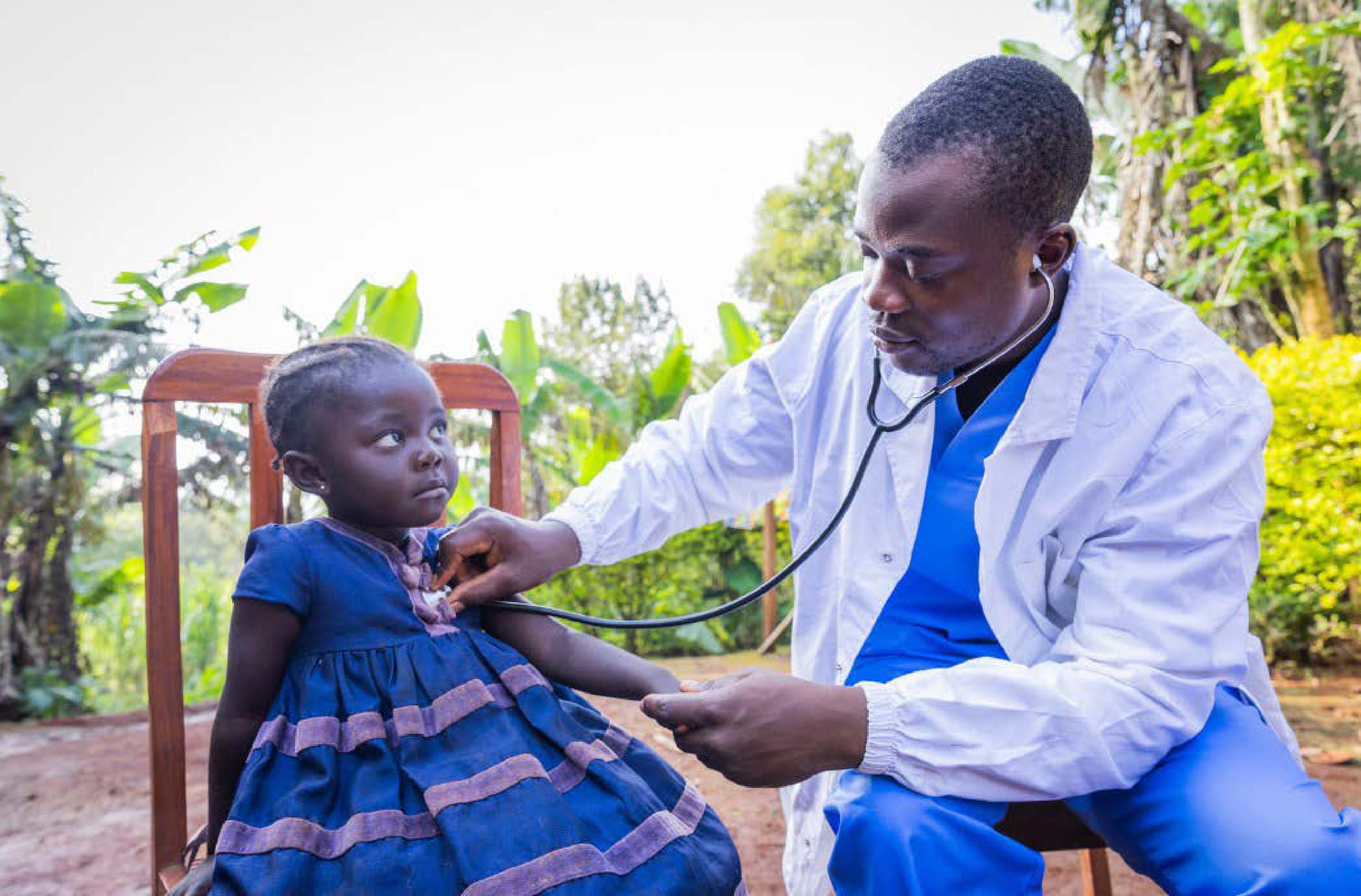
Student Learning Outcomes:
- Discuss the significance of nutrition and hydration in children undergoing cancer treatment.
- Describe the causes of alterations in nutrition and hydration in children undergoing cancer treatment.
- Outline the nursing management and interventions related to nutrition and hydration in a child undergoing cancer treatment.
Approximate time required for the readings for this lesson (at 144 words/minute): 50 minutes.
Required Learning Resources and Activities
-
Students mustView
-
Students mustView
-
Students mustViewReceive a gradeReceive a passing grade
To access the quiz, click on the name of the quiz provided above. On the following screen, click the "Preview quiz now" button to respond to the questions.
-
Students mustViewReceive a gradeReceive a passing grade
To access the quiz, click on the name of the quiz provided above. On the following screen, click the "Preview quiz now" button to respond to the questions.
-
Students mustViewReceive a gradeReceive a passing grade
To access the quiz, click on the name of the quiz provided above. On the following screen, click the "Preview quiz now" button to respond to the questions.
-