

Section: Module 3: War, Weapons and Conflict Strategies | War and Health | NextGenU.org
-
Competencies covered in this module:
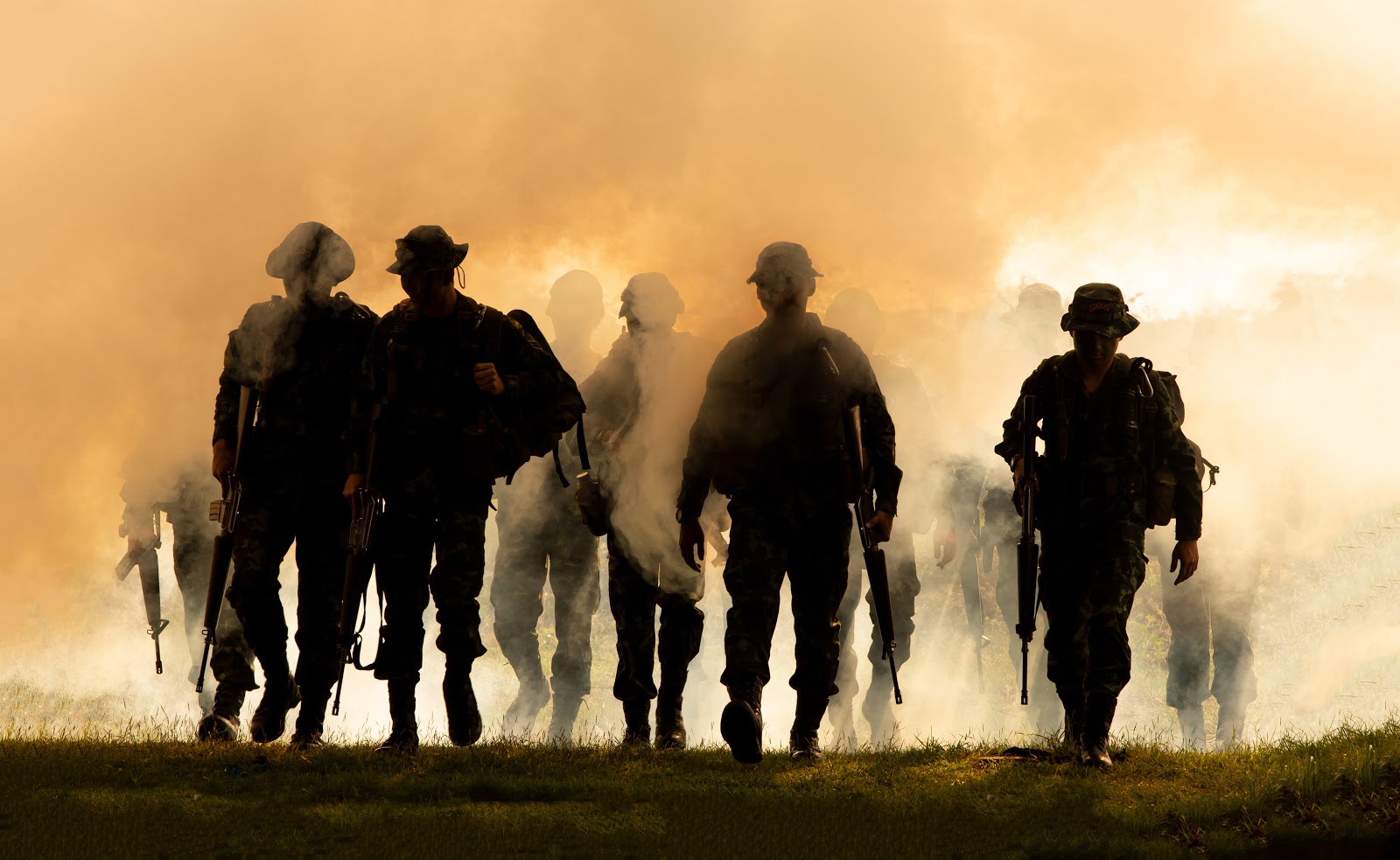
- Be able to describe how war, weapons, and strategies of violent conflicts impact health
- Gain knowledge of basic international humanitarian law, human rights, and the ethical codes that regulate health professions
- Examine the link between the different weapons used in war
- Learn about biological and chemical weapons and understand how governments prepare responses to such weapons
- Learn about the direct and indirect consequences of landmines on public health
- Learn about firearms as a public health concern.
-
Students mustView
- Read this course to gain an understanding of the health effects of war, weapons, and strategies of violent conflict. Consider how these influence health and what can be done to prevent and mitigate them.
-
Students mustView
- Read this article to examine the link between different weapons used in modern wars and their potential to injure civilians.
-
Students mustViewWatch the entire video. The video explained how prescribing opium and morphine -- common treatments used for wartime injuries -- grew into lifelong drug dependence for many. (73 minutes)
-
Students mustMark as done
Read the entire article.
135.6 KB -
Students mustMark as done
- Read this article to learn about the direct and indirect deaths attributable to the war in Iraq between 2003 and 2011.
-
Students mustViewReceive a gradeReceive a passing grade
To access the quiz, click on the name of the quiz provided above. On the following screen, click the attempt quiz button to view the case studies and respond to the questions.
TO PASS THIS QUIZ YOU MUST OBTAIN A SCORE OF 80%.
-
Read the following sections:
- Environmental damage in Ukraine
- Long term health risks
- Unsafe water supply
- Military waste in Ukraine
- Nature in Ukraine is suffering
- Toxic weaponry -
Students mustView
- Read all sections of chapter 3 within this report from the World Health Organization. You will learn about biological and chemical weapons.
-
Students mustViewReceive a gradeReceive a passing grade
To access the quiz, click on the name of the quiz provided above. On the following screen, click the attempt quiz button to view the case studies and respond to the questions.
TO PASS THIS QUIZ YOU MUST OBTAIN A SCORE OF 80%.
-
Students mustView
- Read this report to learn more about landmines and their impact on public health.
-
Students mustViewReceive a grade
To access the quiz, click on the name of the quiz provided above. On the following screen, click the attempt quiz button to view the case studies and respond to the questions.
TO PASS THIS QUIZ YOU MUST OBTAIN A SCORE OF 80%.
-
Students mustView
- Read this report and learn about the public health concerns regarding firearms.
-
Students mustViewReceive a gradeReceive a passing grade
To access the quiz, click on the name of the quiz provided above. On the following screen, click the attempt quiz button to view the case studies and respond to the questions.
TO PASS THIS QUIZ YOU MUST OBTAIN A SCORE OF 80%.