

Section: Module 6: Peace through Health in Violent Conflict | War and Health | NextGenU.org
-
Competencies covered in this module:
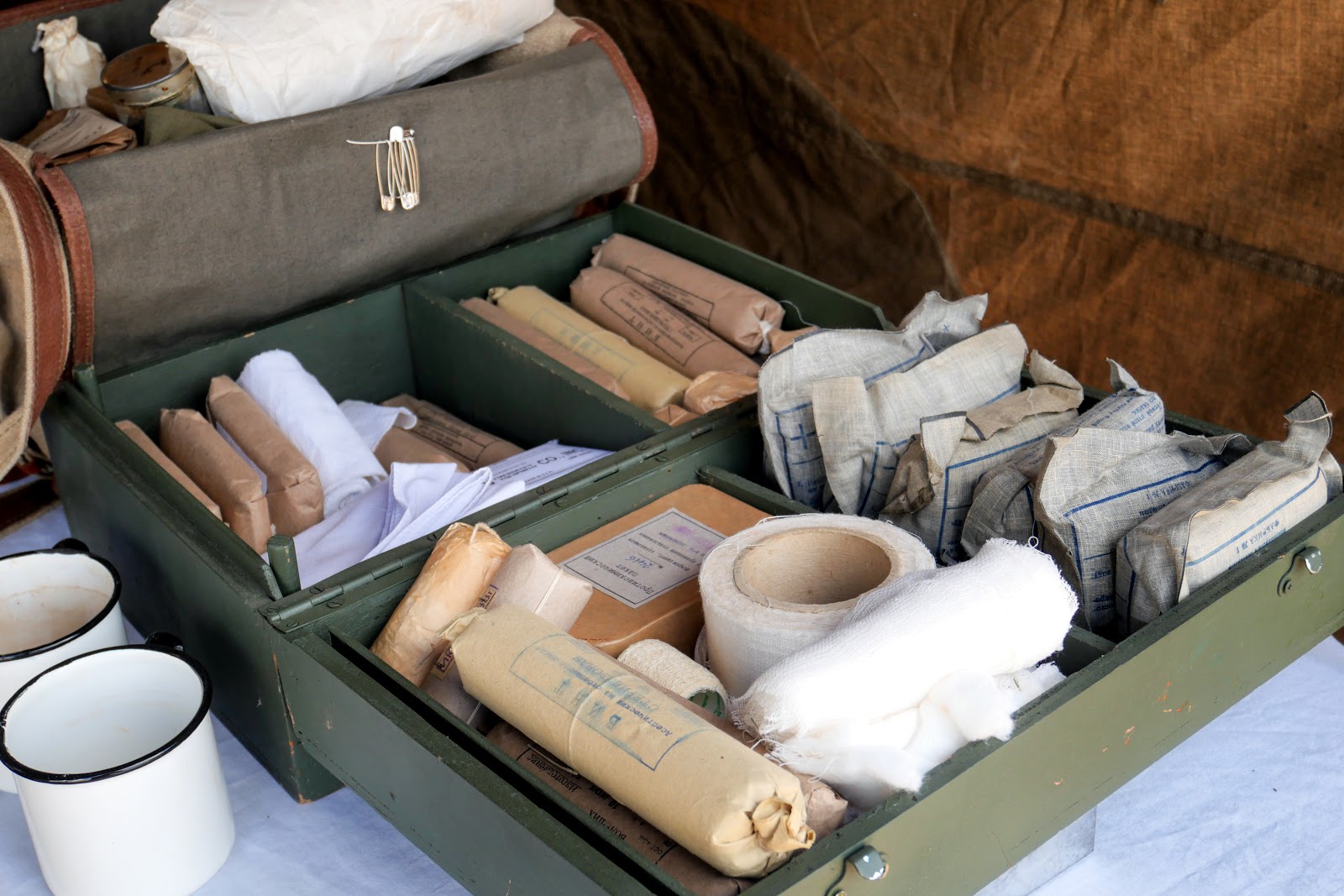
- Learn about the relationships between medicine, warfare, and militarization.
- Understand how armed conflicts affect the provision of medical aid.
- Consider peace-building through improving health care.
-
Students mustView
- Read this course and describe key aspects of the history of war and medicine. Pay attention to the ways in which health and health care are influenced by war.
-
Students mustMark as done
- Scroll down and click on the link to download the article titled "Peace Through Health and Its Potential as a Transformative Lens" by Dr. Nancy Doubleday. Read this article and learn about alternative aproaches for building peace through health care.
-
Students mustViewReceive a gradeReceive a passing grade
To access the quiz, click on the name of the quiz provided above. On the following screen, click the attempt quiz button to view the case studies and respond to the questions.
TO PASS THIS QUIZ YOU MUST OBTAIN A SCORE OF 80%.
-
- Read this article to learn about how collaboration can positively affect public health, even in areas and times of conflict.