

Section: Module 2: Food Systems and Sustainability | Public Health Nutrition | NextGenU.org
-
Competencies covered in this module:
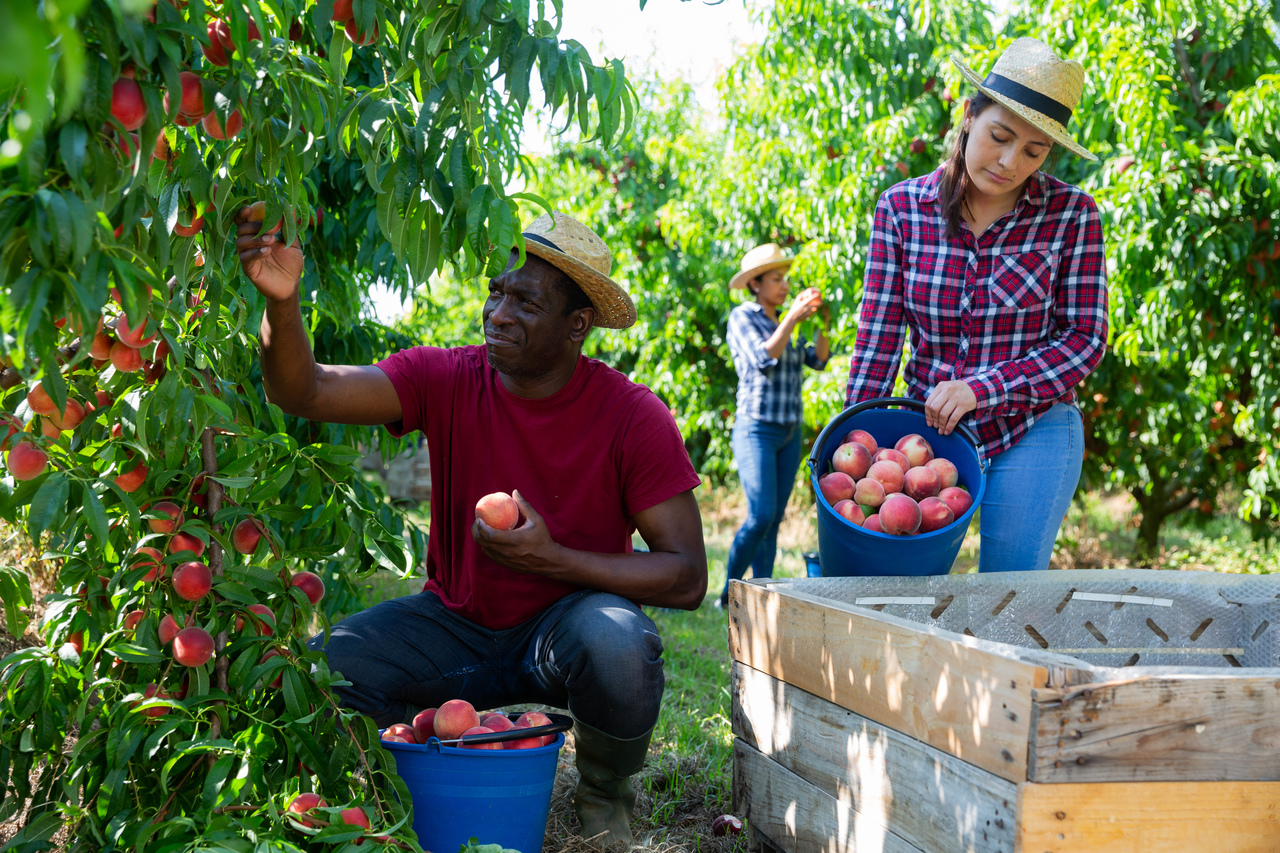
- Have knowledge and understanding of the food chain and its impact on food choice; integrate the food supply with dietary intake.
- Know the factors that impact the accessibility, adequacy, and safety of the food supply system (production, processing, distribution, and consumption), their relationship with community food systems, and how they affect the desired outcomes of health promotion and disease prevention.
-
Students mustView
Read the entire article. (23 minutes)
NCBI - 2018
-
Students mustView
Read the entire document. (8 minutes)
California Department of Social Services - 2013
-
Students mustView
Read the entire journal article. (50 minutes)
Cambridge University Press - 2013
-
Discussion Forum 1 - Sustainable Diets ( 240 minutes)
In this activity, you will identify a dietary pattern in your country and evaluate diverse sustainability factors that can affect the security of the food system.
Step 1: Read and identify
Read this article to better understand Sustainable dietary patterns.
Identify a common dietary pattern consumed by the majority or a diet that is becoming a trend in your country.
Step 2: Evaluate
Describe the dietary pattern that you chose. Evaluate factors like water resources, energy and transports resources, land requirements, climate change impact (Greenhouse Gas Emission), and costs, that affect the sustainability of the food system in the long term.
Step 3: Summarize
Using all of this information, summarize your findings in 300-500 words. Include the sustainability factors identified, providing a rationale for each one on how this dietary pattern affects food system sustainability.
Step 4: Share
Share your summary by clicking on the “Add a new discussion topic” button under this post and paste your work in the “Message” box. Make sure that you have addressed all the required information. Please ensure to reference others’ intellectual property when necessary. All references should follow 7th Edition APA formatting. For further instructions, see the resource on the Himmelfarb Health Sciences Library: APA citation resource (N.B. references are excluded from word counts).
Step 5: Interact
To complete the activity, you will need to reply to at least two posts made by your peers in a respectful and professional manner. Ensure that your post engages your peers' ideas by including a reflection on their comments, sharing ideas of other potential difficulties and parties involved, or asking thought-provoking questions. If a peer comments on your posting, please reply. To post a reply, click “Reply” on a particular discussion, write your feedback and then click on “post to forum.”
OPTIONAL Step 6: Interact (10 minutes)
If you would like to, you can reply to your peers' posts in a respectful and professional manner. Ensure that your post engages your peers' ideas by including a reflection on their comments, sharing ideas of other potential difficulties and parties involved, or asking thought-provoking questions. If a peer comments on your posting, please reply. To post a reply, click “Reply” on a particular discussion, write your feedback and then click on “Post to forum.”
-
Students mustView
Read the entire journal article. (31 minutes)
NCBI - 2017
-
Students mustView
Read the entire document. (25 minutes)
Food Systems Dashboard - 2020
-
Students mustView
Read the entire journal article. (40 minutes)
Springer - 2018
-
Students mustView
Read from the beginning until the heading "4. From ‘de facto’ to ‘de jure’: The need to formalize the six dimensions of food security". (42 minutes)
ScienceDirect
-
Students mustView
Read the entire journal article. (38 minutes)
Scholars Journal of Agriculture and Veterinary Sciences - 2015
-
Students mustView
Read the entire journal article. (23 minutes)
NCBI - 2017
-
Quiz: Module 2
To access the quiz, click on the name of the quiz provided above. On the following screen, click the attempt quiz button to view the case studies and respond to the questions.
TO PASS THIS QUIZ, YOU MUST OBTAIN A SCORE OF 80%