You do not have permission to view discussions in this forum.
-
Introduction
Show More Show LessThis War and Health course provides techniques that help reduce the negative impacts of war and violence on human health. All components of this training are free, including registration, learning, testing, and a certificate of completion. This course is intended for medical and public health trainees and practitioners.
-
Students mustStudent must submit this questionnaire to complete it
-
Students mustViewReceive a grade
-
Students mustMark as done
Show More-

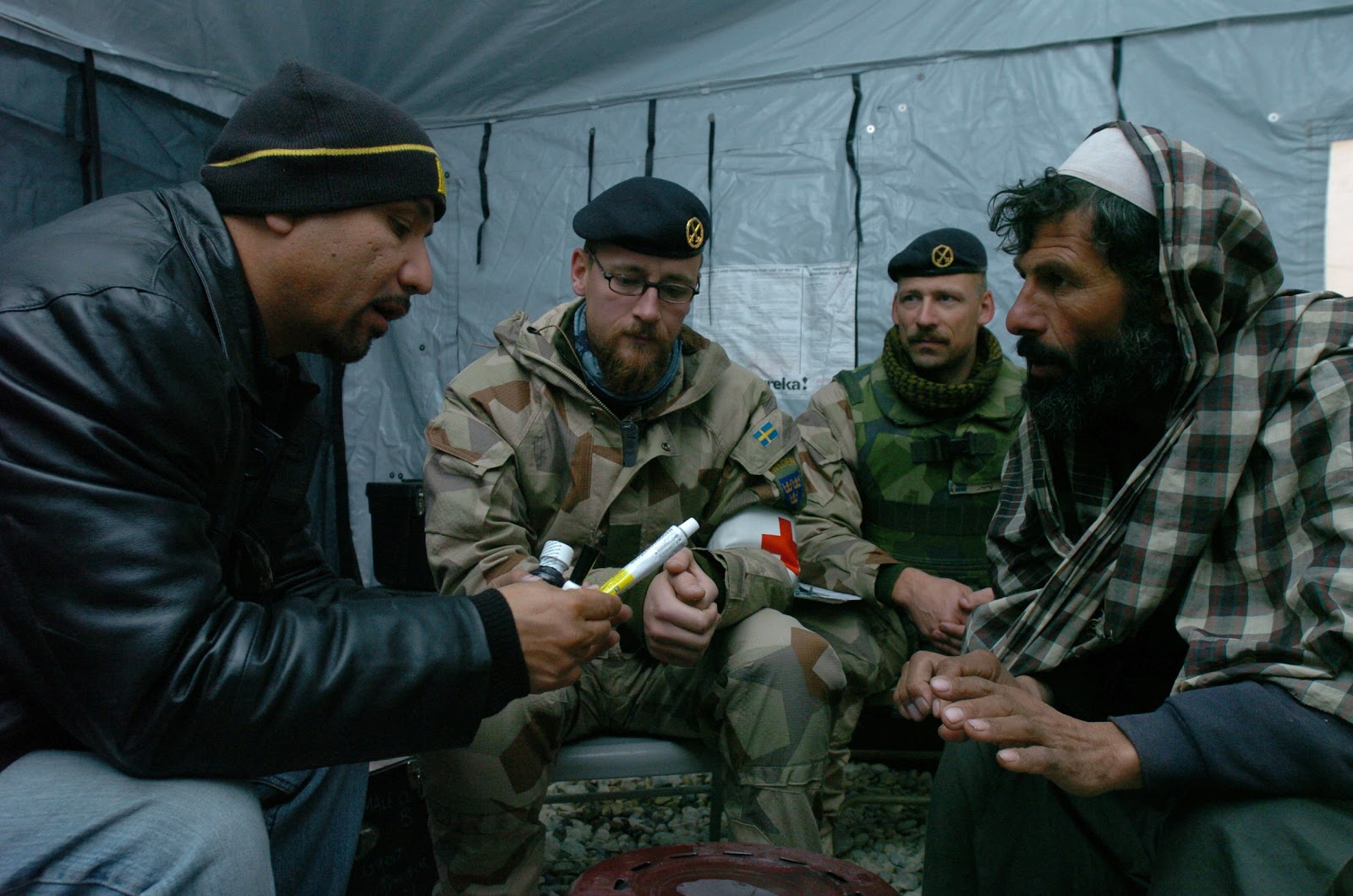
This War and Health course provides techniques that help reduce the negative impacts of war and violence on human health. All components of this training are free, including registration, learning, testing, and a certificate of completion. This course is intended for medical and public health trainees and practitioners.
This War and Health course was developed in partnership with International Physicians for the Prevention of Nuclear War, the European Medical Peace Work Network, Physicians for Social Responsibility, the University of Gezira, and the University of Haifa. Like all NextGenU courses, it is competency-based; this course utilizes competencies adapted from the European Medical Peace Work Network. In addition, the War and Health course uses resources from accredited, world-class organizations such as the Centers for Disease Control and Prevention, Physicians for Social Responsibility, the United Nations, and the World Health Organization. The War and Health course co-developers are Erica Frank, MD, MPH; George Holt, MD, MSE, MPH, MABE, D Bioethics, D HL; Yasmin Kassam, MPH candidate; and Sarah Youngblutt, Ph.D. candidate, supported by an Advisory Committee composed of: Thomas L. Hall, MD, DrPH; Shai Linn, MD, DrPH; and Dr.med. Klaus Melf, MPhil.
For a publication on this course’s efficacy, see “Building Public Health Capacity through Online Global Learning,” (2018), Open Praxis, to see more research related to NextGenU.org’s educational model, check out NextGenU.org’s publication page. Subscribe to our newsletter to be notified of future updates, new courses, and to be part of our community.
There are two components to this course. The first component involves completing the following 8 modules which provide:
1. An overview of the direct effects of war on public health, as well as indirect effects such as the displacement of native people and interpersonal violence;2. Strategies to cope with the effects of war;3. Overviews of some of the root causes of war and violence such as poverty and injustice
Approximate time required for the required readings for the course is 45 hours at an average reading rate of 144 words/minute; in addition, there are required activities.
At the end of each module, there is a practice quiz. At the end of the course, you will take a final exam; a chance to evaluate the course will also be provided.
In order to receive a certificate of completion, you will need to also complete the second component of the course, which includes four required peer activities.
The results of your assessments will be provided to you, and we can report your testing information and share your work with anyone you request (school, employer, etc.). We hope that you will find this a rewarding learning experience, and we count on your assessment and feedback to help us improve this training for future students.
The course requires completion of all required peer activities. At the end of each lesson, there is a practice quiz. At the end of the course, after you’ve completed each lesson, quiz, and activity, you’ll have access to a final exam, and a chance to assess the training. Once you’ve passed that last test, you will be able to download a certificate of completion from NextGenU.org and our course’s co-sponsoring organizations (listed above). We keep all of your personal information confidential, never sell any of your information, and only use anonymized data for research purposes, and we are also happy to report your testing information and share your work with anyone (your school, employer, etc.) at your request. We hope that you will find this a rewarding learning experience, and we count on your assessment and feedback to help us improve this training for future students.
Engaging with this Course:
You may browse this course for free to learn for your personal enrichment; there are no requirements.
To PASS and Obtain a certificate of completion
- Show in the registration fields that you have the appropriate prerequisites to be certified. This course requires a high school diploma.
- Complete all the reading requirements.
- Complete all quizzes and pass with a 80% with unlimited attempts..
- Complete peer activities and associated certification quizzes.
- Successfully complete the final exam with a minimum of 80% and a maximum of 3 attempts.
- Complete the self and course evaluation forms.
To obtain credit
- Complete all requirements listed above for the certificate
- Your learning institution or workplace should approve the partner-university-sponsored NextGenU.org course for educational credit, as they would for their learner taking a course anywhere.
- NextGenU.org is happy to provide your institution with:
- a link to and description of the course training, so they can see all its components, including the cosponsoring universities and other professional organization cosponsors ;
- your grade on the final exam;
- your work products (e.g. peer and mentored activities), and any other required or optional shared materials that you produce and authorize to share with them;
- your evaluations -- self-, peer-, and [for mentored courses] mentor assessments
- a copy of your certificate of completion, with the co-sponsoring universities and other organizations listed.
To obtain a degree co-sponsored with NextGenU.org, registrants must be enrolled in a degree program as a student of a NextGenU.org institutional partner. If you think that your institution might be interested in offering a degree with NextGenU.org contact us
Next Steps
- Complete the registration form.
- Begin the course with Module 1: Health Workers, Conflict, and Peace. In each lesson, read the description, complete all required readings and activities, and take the corresponding quizzes.
-
Competencies covered in this module:
- Learn the basic terminology for public health issues in war and health
- Describe the magnitude and impact of violence in a global context
- Know the types of interventions and policy responses that have been tried against violence
- Learn the potential and limitations of health workers in preventing and mitigating conflict
- Consider the place of public health in humanitarian aid and peace-building
- Understand human rights issues around war and health
- Develop skills required to teach emergency preparedness to students in the health care professions
-
Students mustView
- Read this course for a general overview of the role of health workers in peace-building as well as to learn the basic terminology and strategies for peace related work.
-
Students mustView
- Read Chapter 8 titled "Collective Violence" (page 213-237). It defines collective violence and the importance of studying it. This chapter also outlines the factors that affect collective violence, and the role played by health professionals in its prevention.
-
Students mustView
- Read this article. Understand the role health workers play in preventing and mitigating conflict, as well as the limitations for health profesionals on this subject.
-
Quiz: Module 1: Lesson 1
To access the quiz, click on the name of the quiz provided above. On the following screen, click the attempt quiz button to view the case studies and respond to the questions.
TO PASS THIS QUIZ YOU MUST OBTAIN A SCORE OF 80%.
-
- Read Chapters 2-7 and 9 to learn more about several different forms of violence -- self-inflicted violence, violence toward family members (including children and the elderly), and sexual violence. Collective violence (chapter 8) was already read in this Module. Reflect on ways in which a better understanding can help prevent violence.
-
- Read Chapter 1 titled "Violence - a global public health problem" (pages 1-19) to get a clearer overview of violence, what it means, its impact on global health and how to prevent it with a public health approach.
-
- Read this article to understand the role public health plays in humanitarian aid and peace-building. Consider the multiple roles and the complexity of public health in terms of peace-building and the defense of human rights.
-
- Read this document to get an overview of The Declaration of Human Rights, in order to understand its relationship with public health.
-
- Read this paper to understand the importance of developing competencies for teaching emergency preparedness to students in health care professions. Review the list of competencies and possible useful strategies and concepts.
-
- Read the article. It describes the connections between armed conflict, public health, and the changing climate.
-
-
Students mustView
- Read Chapter 1 titled "I. What is the Right to Health?" (pages 3-11) to understand the relationship between health care and human rights, including how these two interact and are dependent upon each other.
-
Students mustView
- Read this course to understand the relationship between international humanitarian law and human rights, as well as the ethical codes regulating the health professions. Understand the health worker's responsibility to promote and defend the right to health.
-
Students mustView
- Scroll down and click on the link to download the article titled "Health and Human Rights" by Johnathan Mann et al. Read this article to understand the relationship between health care and human rights. Understand how the potential collaboration between health care and human rights as well as the violations of human rights have impacts on health.
-
Students mustView
- Read this article and learn about the ways in which human rights and public health have influenced the availability and definition of essential medicines.
-
Students mustMark as done
Read "Key health risks" (pgs. 2-4).
1.6 MB -
Students mustMark as done
Read the entire article.
-
Students mustViewReceive a gradeReceive a passing grade
To access the quiz, click on the name of the quiz provided above. On the following screen, click the attempt quiz button to view the case studies and respond to the questions.
TO PASS THIS QUIZ YOU MUST OBTAIN A SCORE OF 80%.
-
Competencies covered in this module:
- Be able to describe how war, weapons, and strategies of violent conflicts impact health
- Gain knowledge of basic international humanitarian law, human rights, and the ethical codes that regulate health professions
- Examine the link between the different weapons used in war
- Learn about biological and chemical weapons and understand how governments prepare responses to such weapons
- Learn about the direct and indirect consequences of landmines on public health
- Learn about firearms as a public health concern.
-
Students mustView
- Read this course to gain an understanding of the health effects of war, weapons, and strategies of violent conflict. Consider how these influence health and what can be done to prevent and mitigate them.
-
Students mustView
- Read this article to examine the link between different weapons used in modern wars and their potential to injure civilians.
-
Students mustViewWatch the entire video. The video explained how prescribing opium and morphine -- common treatments used for wartime injuries -- grew into lifelong drug dependence for many. (73 minutes)
-
Students mustMark as done
Read the entire article.
135.6 KB -
Students mustMark as done
- Read this article to learn about the direct and indirect deaths attributable to the war in Iraq between 2003 and 2011.
-
Students mustViewReceive a gradeReceive a passing grade
To access the quiz, click on the name of the quiz provided above. On the following screen, click the attempt quiz button to view the case studies and respond to the questions.
TO PASS THIS QUIZ YOU MUST OBTAIN A SCORE OF 80%.
-
Read the following sections:
- Environmental damage in Ukraine
- Long term health risks
- Unsafe water supply
- Military waste in Ukraine
- Nature in Ukraine is suffering
- Toxic weaponry -
Students mustView
- Read all sections of chapter 3 within this report from the World Health Organization. You will learn about biological and chemical weapons.
-
Students mustViewReceive a gradeReceive a passing grade
To access the quiz, click on the name of the quiz provided above. On the following screen, click the attempt quiz button to view the case studies and respond to the questions.
TO PASS THIS QUIZ YOU MUST OBTAIN A SCORE OF 80%.
-
Students mustView
- Read this report to learn more about landmines and their impact on public health.
-
Students mustViewReceive a grade
To access the quiz, click on the name of the quiz provided above. On the following screen, click the attempt quiz button to view the case studies and respond to the questions.
TO PASS THIS QUIZ YOU MUST OBTAIN A SCORE OF 80%.
-
Students mustView
- Read this report and learn about the public health concerns regarding firearms.
-
Students mustViewReceive a gradeReceive a passing grade
To access the quiz, click on the name of the quiz provided above. On the following screen, click the attempt quiz button to view the case studies and respond to the questions.
TO PASS THIS QUIZ YOU MUST OBTAIN A SCORE OF 80%.
-
Competencies covered in this module:

- Learn about the history of nuclear weapons.
- Understand the role of health care professionals in anti-nuclear weapon campaigns.
- Consider the historical and contemporary perspectives on nuclear arms control from world leaders.
- Learn about the public health issues caused by nuclear war.
- Consider the risks involved if terrorists were to obtain nuclear weapons.
- Learn about the major treaties regarding nuclear weapons.
- Consider the aftermath of a nuclear attack on a major metropolitan area.
-
Students mustView
- Read this article and learn about the influence that health care professionals can have in anti-nuclear weapon campaigns.
-
Students mustView
- Read this report and learn about major policy obstacles that stand in the way of the nuclear-armed states deciding to eliminate their weapons.
-
Students mustView
- Read the report and learn about the impacts and threats a nuclear war could have on public health.
-
Students mustView
- Read this article and learn about the legality of nuclear weapons use and the issues of real and lasting threats to public health.
-
Students mustViewReceive a gradeReceive a passing grade
To access the quiz, click on the name of the quiz provided above. On the following screen, click the attempt quiz button to view the case studies and respond to the questions.
TO PASS THIS QUIZ YOU MUST OBTAIN A SCORE OF 80%.
-
- Click on the interactive map and read the text below the map to learn more about nuclear weapons around the world.
-
- Read the report and learn about appropriate precautions and responses to nuclear terrorism.
-
- Read this treaty to learn about the agreement that was signed in 2010 between the United States of America and the Russian Federation on measures for the further reduction and limitation of strategic offensive arms.
-
- Read the fact sheet to learn about the environmental changes and threats that would be caused by a nuclear war.
-
Students mustViewRead this article and learn about the possible health consequences of using nuclear power as a source of energy.
-
Students mustViewReceive a gradeReceive a passing grade
To access the quiz, click on the name of the quiz provided above. On the following screen, click the attempt quiz button to view the case studies and respond to the questions.
TO PASS THIS QUIZ YOU MUST OBTAIN A SCORE OF 80%.
-
- Watch the 55-minute version of the film.
-
- Read this article from the Vancouver Observer to learn more about the Fukushima Nuclear Disaster and its later impacts.
-
Competencies covered in this module:

- Examine the relationships between poverty, development, and violent conflict.
- Consider the underlying causes of structural violence.
- Learn about the relationship between structural violence and clinical medicine.
-
Students mustView
- Read this course and examine the interconnections between poverty, development, and violent conflict.
-
Students mustView
- Read this article and understand the relationship between structural violence and the work done in clinical practice.
-
Students mustMark as done
- Read the content under "Introduction" and "Conclusion."
-
Students mustViewReceive a gradeReceive a passing grade
To access the quiz, click on the name of the quiz provided above. On the following screen, click the attempt quiz button to view the case studies and respond to the questions.
TO PASS THIS QUIZ YOU MUST OBTAIN A SCORE OF 80%.
-
Read the entire article.
-
Competencies covered in this module:
- Learn about the relationships between medicine, warfare, and militarization.
- Understand how armed conflicts affect the provision of medical aid.
- Consider peace-building through improving health care.
-
Students mustView
- Read this course and describe key aspects of the history of war and medicine. Pay attention to the ways in which health and health care are influenced by war.
-
Students mustMark as done
- Scroll down and click on the link to download the article titled "Peace Through Health and Its Potential as a Transformative Lens" by Dr. Nancy Doubleday. Read this article and learn about alternative aproaches for building peace through health care.
-
Students mustViewReceive a gradeReceive a passing grade
To access the quiz, click on the name of the quiz provided above. On the following screen, click the attempt quiz button to view the case studies and respond to the questions.
TO PASS THIS QUIZ YOU MUST OBTAIN A SCORE OF 80%.
-
- Read this article to learn about how collaboration can positively affect public health, even in areas and times of conflict.
-
Competencies covered in this module:

- Understand the immediate public health needs of refugees and immigrants.
- Develop skills for the provision of culturally sensitive health care.
- Learn about the common mental health problems of immigrants and refugees.
-
Students mustView
- Read this course and learn about the ethical implications of dealing with immigrants and refugees and providing them with health care. Describe and understand their needs in terms of their health and well-being.
-
Students mustView
- Read this article and understand the special needs of refugees in terms of health care. Learn the competencies required to effectively provide medical care to refugees.
-
Students mustViewRead the content under the heading "Introduction", "Discussion" and "Conclusion". (20 minutes)
-
Students mustViewStart discussions: 1
In this learning activity, you will discuss common risk factors among immigrants and refugees for developing a substance use disorder and its link with underlying mental health conditions.
Instructions:
Step 1: Review [30 minutes]
Read all the required material for this lesson.
Step 2: Respond [105 minutes]
Analyze and prepare a 300-400 word discussion piece addressing the following key points as it relates to the public health needs of refugees and immigrants :
- The prevalence of substance use disorders among refugees and migrants
- Potential risk factors that can lead to substance use disorders and mental health conditions
- Protective factors against substance use disorders for migrants and refugees; access to mental health and addiction services
Step 3: Share [10 minutes]
To share your work, click on the “Add a new discussion topic” button under this post and paste your work into the “Message” box. Make sure to reference others’ intellectual property when necessary. All references should follow 7th Edition APA formatting. For further instructions, see the resource on the Himmelfarb Health Sciences Library: APA citation resource (N.B. references are excluded from word counts).
Step 4: Interact [10 minutes]
To complete the activity, you will need to reply to at least two posts made by your peers in a respectful and professional manner. Ensure that your post engages your peers' ideas by including a reflection on their comments, sharing ideas of other potential difficulties and parties involved, or asking thought-provoking questions. If a peer comments on your posting, please reply. To post a reply, click “Reply” on a particular discussion, write your feedback and then click on “Post to forum.”
OPTIONAL Step 5: Interact (10 minutes)
If you would like to, you can reply to your peers' posts in a respectful and professional manner. Ensure that your post engages your peers' ideas by including a reflection on their comments, sharing ideas of other potential difficulties and parties involved, or asking thought-provoking questions. If a peer comments on your posting, please reply. To post a reply, click “Reply” on a particular discussion, write your feedback and then click on “Post to forum.”
-
Students mustViewReceive a gradeReceive a passing grade
To access the quiz, click on the name of the quiz provided above. On the following screen, click the attempt quiz button to view the case studies and respond to the questions.
TO PASS THIS QUIZ YOU MUST OBTAIN A SCORE OF 80%.
-
- Read this article to learn how to recognize and appropriately treat mental health problems among refugees and immigrants.
-
Competencies covered in this module:

- Define the different types of conflict-related violence, including community violence, domestic violence, and suicide.
- Describe the risk factors and prevention strategies for each type of violence.
- Learn about Post-Traumatic Stress Disorder (PTSD), specifically when it starts and how affected individuals can be helped.
- Learn the best practices to address violence during and after a disaster.
- Learn how to respond to violence through early and proactive action using a public health approach.
- Become familiar with the terminology and best practices to prevent and respond to self-directed violence (SDV).
-
Students mustView
- Read this course and consider the origin and extent of different types of violence at the micro level, including community violence, domestic violence and suicide.
-
Students mustView
- Read this report to learn about Post-Traumatic Stress Disorder (PTSD). Understand the key points of its etiology, its signs and symptoms, as well as its diagnosis and treatment.
-
Students mustView
- Read this text to learn about the best practices to address violence during and after disasters and to learn how to respond through early and proactive action using a public health approach.
-
Students mustViewReceive a grade
To access the quiz, click on the name of the quiz provided above. On the following screen, click the attempt quiz button to view the case studies and respond to the questions.
TO PASS THIS QUIZ YOU MUST OBTAIN A SCORE OF 80%.
-
- Read the document to learn about current terminology and best practices regarding self-directed violence (SDV), an important cause of mortality and morbidity worldwide.
-
Students mustView
Read the content from the heading "The Events of Mass War-Trauma" up to "Atypical Mental Health Problems of Mass Trauma in Africa."
-
Students mustView
Read the entire page up to the heading "Addressing the problem".
-
Students mustView
Read the content from the heading "Addressing the problem" to the end of the page.
-
Students mustView
Read the content under the heading "Types of Interventions" on pages 13-15.
-
Students mustView
Watch the entire webinar. (75 minutes)
-
Students mustViewReceive a gradeReceive a passing grade
To access the quiz, click on the name of the quiz provided above. On the following screen, click the attempt quiz button to view the case studies and respond to the questions.
TO PASS THIS QUIZ YOU MUST OBTAIN A SCORE OF 80%.
-
Students mustViewReceive a gradeReceive a score of 70 or moreTo access the quiz, click on the name of the quiz provided above. On the following screen, click the "Preview quiz now" button to respond to the questions.
-
Read the content under the heading "treatment".
-

To take the final exam, you must complete all quizzes and complete all the required activities.
To access the exam, click on the name of the exam provided above. On the following screen, click the Attempt Quiz button to respond to the questions.
-
Final Exam Quiz
-
-
 In this section, you can provide feedback about this course to help us make NextGenU.org better. Once evaluations are completed, you will be able to download your certificate of completion.
-
Course Evaluations Questionnaire
-
Self Evaluations Questionnaire
-
-