-
Course Home PageCourse Home Page

-
Nurse's Aide Homepage
Course Overview
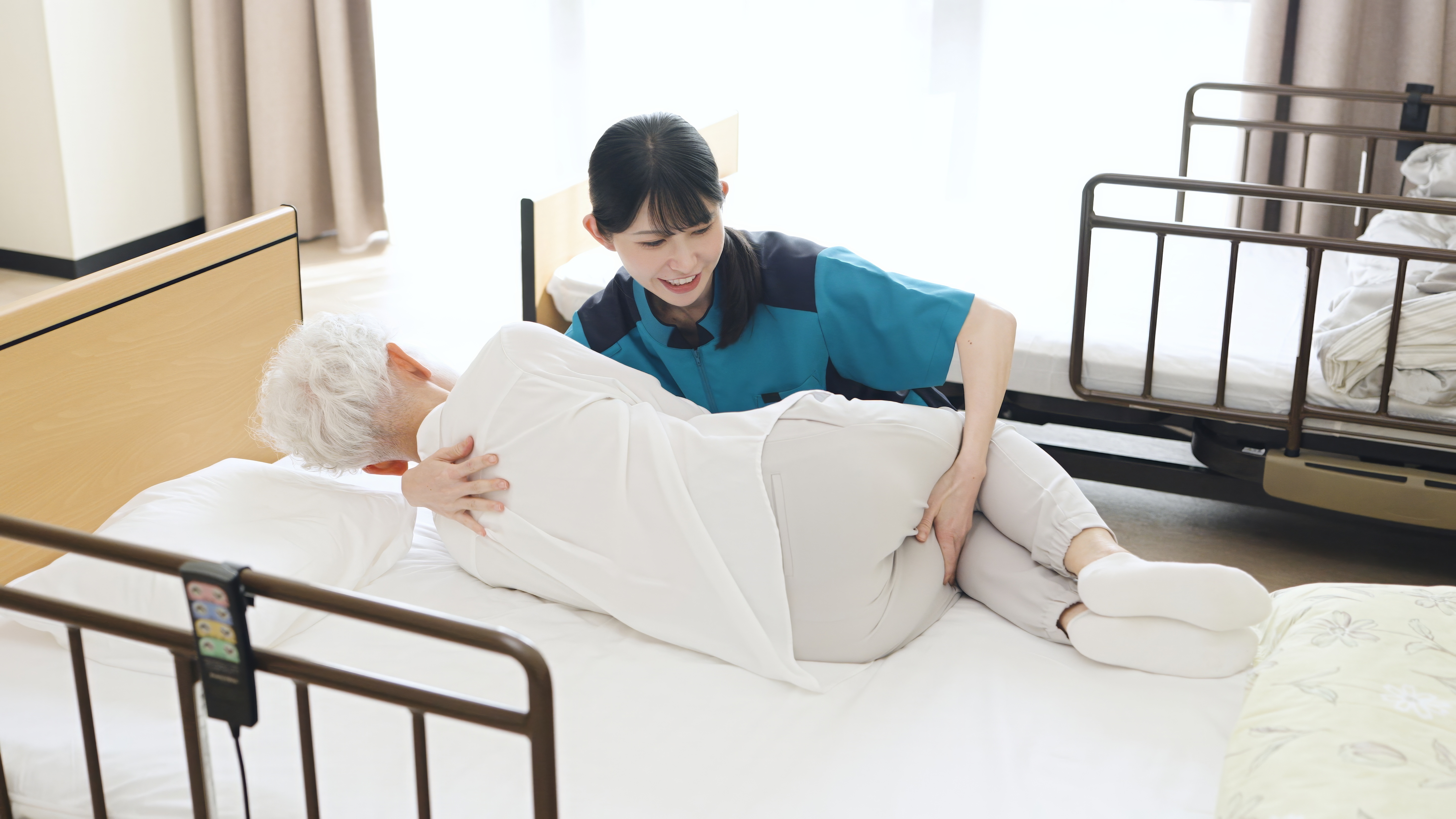
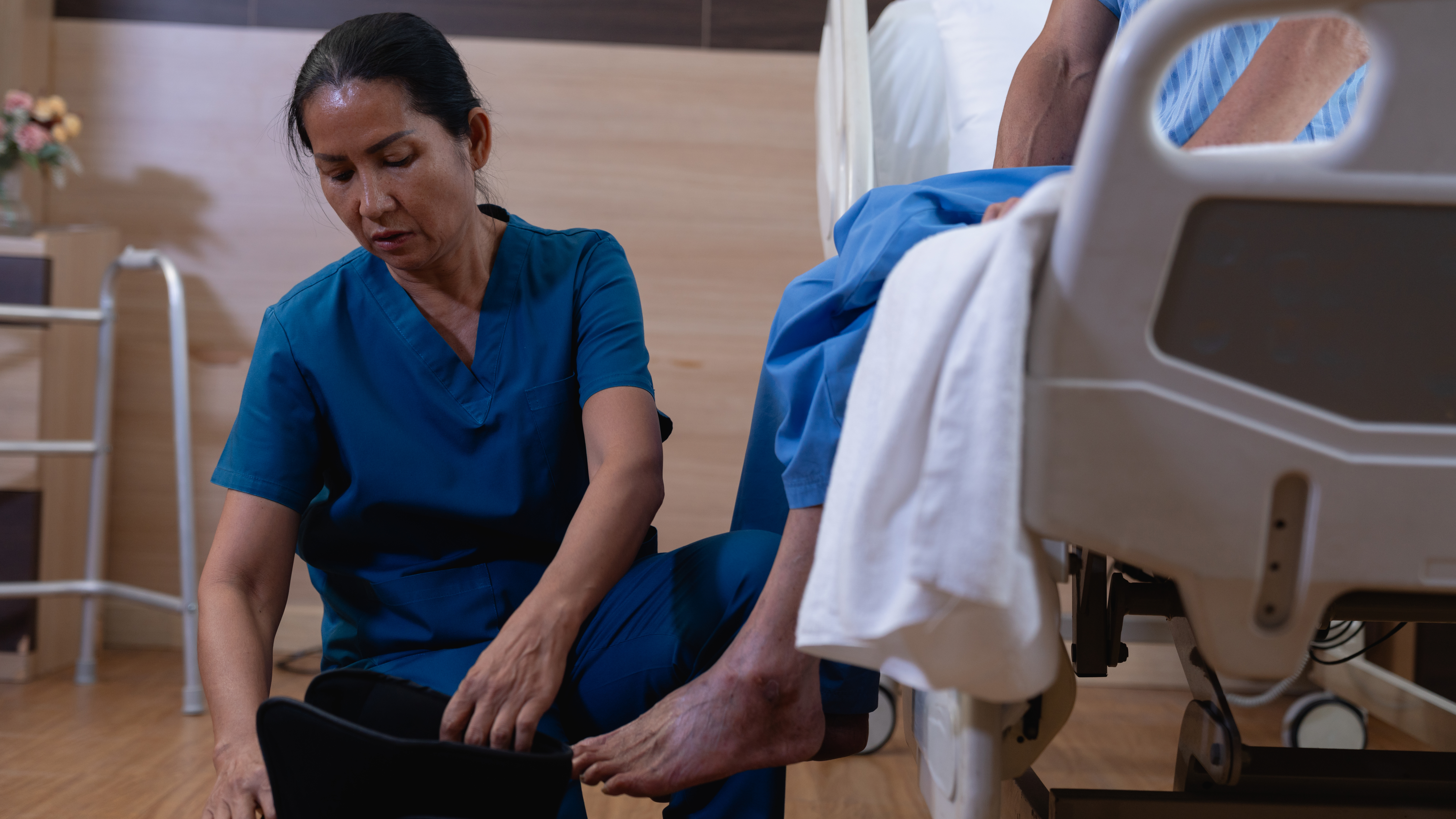
Welcome to the Nurse’s Aide course. This course provides foundational knowledge and hands-on skills needed to deliver safe, compassionate care in a variety of healthcare settings. Learners will develop essential competencies in communication, professionalism, infection control, personal care, mobility assistance, documentation, and support for clients across the lifespan. The course emphasizes the nurse’s aide’s role as a key member of the healthcare team, promoting clients’ physical, emotional, and spiritual well-being while supporting dignity, independence, and comfort.
Through practical examples, demonstrations, and scenario-based activities, learners will be prepared to assist clients with daily living tasks, recognize and report changes in condition, and contribute to a safe and therapeutic environment.
Note about Nurse’s Aides
Nursing assistants (Nurse’s Aide) are known by different titles across the United States (US) and internationally, though their core role remains the same: providing direct, hands-on care to patients under the supervision of licensed nurses. In the U.S., for example, they may be called Certified Nursing Assistants (CNAs) in Arizona, State Tested Nursing Assistants (STNAs) in Ohio, or Licensed Nursing Assistants (LNAs) in New Hampshire, depending on state regulations. Globally, similar roles exist under names such as healthcare assistant (HCA) in the United Kingdom, personal support worker (PSW) in Canada, and nursing aide in the Philippines. Despite the different titles, these roles share common responsibilities, including assisting with activities of daily living (for example, helping a patient bathe or eat), monitoring vital signs, and supporting patient comfort and safety. However, the exact tasks permitted can vary: for instance, some states allow CNAs to perform blood glucose testing or assist with medication administration, while others limit them strictly to personal care and reporting observations. A nursing assistant’s scope of practice is determined by state or national regulatory bodies, and individuals should consult their state’s Nurse Practice Act, board of nursing, or equivalent governing authority to understand the specific duties and limitations of their role.
Throughout this course, the titles Nurse’s Aide, Nursing Aide, and Nursing Assistant are used interchangeably.

Course Development
The Nurse’s Aide course was developed in partnership with Nurses International (N.I.) and NextGenU.org (NGU). Content was created by experienced nurse educators and clinicians using evidence-informed resources from organizations such as the World Health Organization (WHO), OpenStax.org, Pressbooks, and peer-reviewed open-access nursing and allied health materials.
The course is hosted on the Moodle Learning Management System (LMS), offering a flexible, interactive, and self-paced experience appropriate for learners entering the nursing and healthcare workforce.
The course was written and reviewed by the Nurses International faculty in collaboration with the NextGenU.org design team.
The Nurses International core faculty writers and reviewers: Kathleen Capone MS, RN, CNE, EdD; Stephanie Marfurt RN, PhD; Hannah Higgins BS, RN,MSN-Ed.
Course Structure
The course includes 11 comprehensive units, each containing multiple lessons.
Unit 1: Communication and the Health Care Team
Unit 2: Professionalism in the Workplace
Unit 3: Safety in Health Care Settings
Unit 4: Infection Control
Unit 5: Personal Care
Unit 6: Providing Basic Care
Unit 7: Reporting and Documenting Client Data
Unit 8: Mobility and Assistance
Unit 9: Rehabilitation and Restorative Care
Unit 10: Care for Clients with Acute and Chronic Conditions
Unit 11: Body Systems and Client CareEach unit comprises:
- Structured lessons with assigned readings
- PowerPoint presentations
- Learner self-assessment quizzes
- Critical thinking or scenario-based questions
- Skills demonstrations or video resources
- Unit exams
Assessment
A minimum score of 80% is required on quizzes and unit exams.
Completion of all assigned activities, case studies, and demonstrations is required before advancing.
The estimated completion time is 30 hours.
There are two non-graded practice exams available to help learners prepare for the final exam.
At the end of the course, learners will complete a comprehensive final exam of 50 multiple-choice questions.
A passing score of 80% is required.
Learners may attempt the exam twice. If unsuccessful after two attempts, the course must be repeated before a certificate can be issued.To obtain a certificate, learners must complete:
- All assigned readings
- All quizzes and unit exams (≥ 80%)
- All activities
- The final exam (≥ 80%, maximum 2 attempts)
- All required self-evaluation and course evaluation forms
A downloadable certificate is provided upon successful completion.
Prerequisites
No prerequisites are required
Information for Institutions
NextGenU.org is happy to provide your institution with:
- A link to and a description of the course training
- Your grade on the final exam
- Your work products (e.g., case study activities) and any other shared materials you authorize
- Your evaluations: course and self-assessments
- A copy of your certificate of completion
For Nurse Educators
The course teacher resources include a study guide that includes a syllabus, recommended teaching strategies, and a skills directory. Nurse educators may contact info@nursesinternational.org with queries/permission to access faculty resources for this course.
Technical Support
For any technical difficulties or course access questions, please contact support@nextgenu.org for assistance.
Disclaimer
This content is designed to enhance your study; we cannot guarantee that the successful completion of these materials will enable you to work in your place of residence, as regulations vary by location. If you plan to practice using your new knowledge, to ensure safety and compliance with your local laws, you must complete a program of study approved by the government and relevant local regulatory agencies in your place of practice.
NextGenU.org does not directly confer academic degrees or guarantee that learning institutions will accept NextGenU.org coursework for credit.
-

Unit 1: Communication and the Health Care Team
Unit Learning Outcomes:- Explore the elements of professional communication related to members of the health care team, clients
- Demonstrate effective reporting and documentation of client care
- Discuss the varied care and communication methods to address client’s physical, emotional, and spiritual needs.
- Determine methods for dealing with personal stresses
-
Unit 1: Lesson 1: Essentials of Communication
Student Learning Outcomes:
Upon completion of this lesson, you will be able to:- Define the responsibilities of the nurse's aide
- Define the elements of the communication process
- Explain the barriers to effective communication
Approximate time required for the readings for this lesson (at 144 words/minute): 16 minutes.
3 URLs -
Unit 1: Lesson 2: Communication within the Health Care Team
Student Learning Outcomes:
Upon completion of this lesson, you will be able to:- List the essentials for effective team communication
- Define the elements of therapeutic communication and techniques
- Identify therapeutic techniques and strategies for effective communication
Approximate time required for the readings for this lesson (at 144 words/minute): 31 minutes.
3 URLs -
Unit 1: Lesson 3: Dealing with Communication Challenges
Student Learning Outcomes:
Upon completion of this lesson, you will be able to:- Explain techniques to deal with clients with varied physical impairments
- Describe methods to respond to clients with mental health and behavior issues
- Define the stress response and preferred healthy responses
- Define stress triggers and methods to deal with client and family stress triggers
- Describe preferred methods to deal with conflict
Approximate time required for the readings for this lesson (at 144 words/minute): 1 hour and 11 minutes.
3 URLs -
Unit 1: Lesson 4: Human Needs and Developmental Stages
Student Learning Outcomes:
Upon completion of this lesson, you will be able to:- Explain Maslow's Hierarchy of Needs with application to client/family care
- Explain Erikson's stages of development with application to client/family care
- Discuss the spiritual needs of clients
- Describe supportive methods to assist in meeting clients/family spiritual needs
Approximate time required for the readings for this lesson (at 144 words/minute): 42 minutes.
3 URLs -
Unit 1: Lesson 5: Documentation and Reporting
Student Learning Outcomes:
Upon completion of this lesson, you will be able to:- Explain the difference between reporting and documentation
- List the essentials of professional documentation
- Explain the relationship between MDS and documentation
- List the essentials of professional reporting including subjective and objective information
- Explain military time and its use
Approximate time required for the readings for this lesson (at 144 words/minute): 27 minutes.
3 URLs -
Unit 2: Professionalism in the Work Place
Unit Learning Outcomes:

- Explore the ethical and legal responsibilities of the nurse's aide
- Discuss the job-related skills related to seeking and retaining employment
- Demonstrate the methods to protect the client's rights
- Define the role of the nurse's aide in the health care setting
- Apply cultural competency in the treatment of all clients
-
Unit 2: Lesson 1: Ethical and Legal Responsibilities of the Nurse's Aide
Student Learning Outcomes:
Upon completion of this lesson, you will be able to:- Provide examples of unethical behaviors that a nurse's aide should avoid
- Define vulnerable populations
- Describe the governing agencies and legislation involved in enforcing guidelines for health care
- Identify the resident's rights in long-term care settings
- Describe elder abuse and its symptoms
- Explain the purpose and components of the survey process
Approximate time required for the readings for this lesson (at 144 words/minute): 48 minutes.
3 URLs -
Unit 2: Lesson 2: Members of the Health Care Process
Student Learning Outcomes:
Upon completion of this lesson, you will be able to:- Define holistic care
- List the members of the healthcare team and their roles
- List the members of the non-health care team and their roles
Approximate time required for the readings for this lesson (at 144 words/minute): 21 minutes.
3 URLs -
Unit 2: Lesson 3: Scope of Practice
Student Learning Outcomes:
Upon completion of this lesson, you will be able to:- Define the scope of practice
- List the 9 nurse's aide tasks allowed by states
- Explain the 4 S’s of nurse's aide care
Approximate time required for the readings for this lesson (at 144 words/minute): 20 minutes.
3 URLs -
Unit 2: Lesson 4: Health Care Settings
Student Learning Outcomes:
Upon completion of this lesson, you will be able to:- Explain the rationale for various health care settings
- Describe the varied health care settings
- Describe the preparation involved in seeking employment in a health care setting
Approximate time required for the readings for this lesson (at 144 words/minute): 29 minutes.
3 URLs -
Unit 3: Safety in Health Care Settings
Unit Learning Outcomes:

- Explore the means to providing a safe and comfortable environment for clients
- Discuss the guidelines for the nurse's aide in providing emergency care to clients
- Become familiar with the typical nursing home environment
- Identify the methods to assist clients in adjusting to their new environment
- Discuss the means for ensuring safe self-care
-
Unit 3: Lesson 1: Nurse’s Aide Role in Safe Client Care
Student Learning Outcomes:
Upon completion of this lesson, you will be able to:- Describe the nurse’s aide role in responding to varied medical emergencies
- Describe the nurse's aide role in fire emergencies
- Describe the nurse’s aide role in preventing and responding to client falls
Approximate time required for the readings for this lesson (at 144 words/minute): 38 minutes.
3 URLs -
Unit 3: Lesson 2: Client Environment
Student Learning Outcomes:
Upon completion of this lesson, you will be able to:- Explain the SPICES tool
- Describe the process of the nurse's aide in assisting a client to transition to a new environment
- Explain the principles of body mechanics and safe equipment use
- List the infection control guidelines for making an unoccupied and occupied bed
Approximate time required for the readings for this lesson (at 144 words/minute): 45 minutes.
4 URLs -
Unit 4: Infection Control
Unit Learning Outcomes:

- Discuss the principles and manner in which infection is spread
- Describe methods to prevent blood-borne pathogen transmission
- Apply principles of standard and transmission-based precautions and infection prevention
-
Unit 4: Lesson 1: How Infections Occur in the Human Body
Student Learning Outcomes:
Upon completion of this lesson, you will be able to:- Define infection
- Outline the chain of infection
- Define and describe the following infections:
- Methicillin resistant staph aureus (MRSA)
- Vancomycin resistant enterococci (VRE)
- Clostridium Difficile (C DIFF)
Approximate time required for the readings for this lesson (at 144 words/minute): 26 minutes.
3 URLs -
Unit 4: Lesson 2: How the Body Prevents Infection
Student Learning Outcomes:
Upon completion of this lesson, you will be able to:- Describe the physical defenses against infection
- Describe the chemical defenses against infection
Approximate time required for the readings for this lesson (at 144 words/minute): 23 minutes.
3 URLs -
Unit 4: Lesson 3: Precautions to Prevent Spread of Infection
Student Learning Outcomes:
Upon completion of this lesson, you will be able to:- Define Standard Precautions
- Describe hand hygiene, protocols, and methods
- Include safety precautions and common errors
- Describe disinfection and sterilization
- Describe the types of transmission precautions, including signage
Approximate time required for the readings for this lesson (at 144 words/minute): 46 minutes.
5 URLs -
Unit 4: Lesson 4: Personal Protection
Student Learning Outcomes:
Upon completion of this lesson, you will be able to:- Describe the types of personal protective equipment
- Describe respirators and PAPRs
- Outline resident and family considerations during isolation precautions
Approximate time required for the readings for this lesson (at 144 words/minute): 36 minutes.
6 URLs -
Unit 4: Lesson 5: Blood-borne Pathogens
Student Learning Outcomes:
Upon completion of this lesson, you will be able to:- Define blood-borne pathogens and how they occur
- Outline the OSHA Bloodborne Pathogen Standard
Approximate time required for the readings for this lesson (at 144 words/minute): 20 minutes.
3 URLs -
Unit 4: Lesson 6: Signs and Symptoms of Infection
Student Learning Outcomes:
Upon completion of this lesson, you will be able to:- Describe the signs and symptoms of infection
- List the expected and unexpected assessment findings
- Describe the role of the nurse’s aide in identifying and reporting assessment findings
Approximate time required for the readings for this lesson (at 144 words/minute): 24 minutes.
3 URLs -
Unit 5: Personal Care
Unit Learning Outcomes:

- Explore the role of the nurse’s aide in providing personal care to clients
- Identify what is meant by holistic care
-
Unit 5: Lesson 1: Person-Centered Care
Student Learning Outcomes:
Upon completion of this lesson, you will be able to:- Describe the Activities of Daily Living
- Define person-centered care
- Describe the purpose of routine steps
- Define the elements of SKWIPE
- Define the elements of CLOWD
Approximate time required for the readings for this lesson (at 144 words/minute): 30 minutes.
3 URLs -
Unit 5: Lesson 2: Skills for Providing Skin Care
Student Learning Outcomes:
Upon completion of this lesson, you will be able to:- Describe the components of skin
- Define impaired skin integrity and the conditions that affect it
- Explain the skin changes and the skin care of older clients
- Describe the four types of baths and their considerations
- Describe the assessments to report to the nurse
Approximate time required for the readings for this lesson (at 144 words/minute): 32 minutes.
9 URLs -
Unit 5: Lesson 3: Assisting with Intake and Excretion
Student Learning Outcomes:
Upon completion of this lesson, you will be able to:- Outline the elements of toileting assistance
- Outline the methods of assisting clients who are incontinent of urine and stool
- Explain the procedure for bowel and bladder training
- Explain the cause, risk, and symptoms of urinary infections and their complications
- Describe the observation and documentation of intake and output
- Describe the process for collecting urine and stool samples
Approximate time required for the readings for this lesson (at 144 words/minute): 52 minutes.
16 URLs -
Unit 6: Providing Basic Care
Unit Learning Outcomes:

- Adapt care of clients to meet physical needs, nutritional needs, and comfort measures
- Explain the principles of OTC medication administration and the common effects of routine prescribed medications
- Explain the role of the nurse's aide in end-of-life care
-
Unit 6: Lesson 1: Nutrition and Fluid Needs
Student Learning Outcomes:
Upon completion of this lesson, you will be able to:- Briefly describe the anatomy and physiology of the gastrointestinal system
- Describe the nutrition interventions needed for clients with age changes of the senses
- Describe macronutrients and how to choose food to meet their requirements
- Explain the body’s fluid needs and how it is maintained through diet consumption
- Discuss the incidence and symptoms and prevention of dehydration
- Explain the cultural and religious significance of nutrition
- Outline the various types of modified diets
- Describe the modifications for liquid and texture diets
Approximate time required for the readings for this lesson (at 144 words/minute): 49 minutes.
3 URLs -
Unit 6: Lesson 2: Pain
Student Learning Outcomes:
Upon completion of this lesson, you will be able to:- Define pain and the factors that influence it
- Explain the difference between acute and chronic pain
- Describe the difference between objective and subjective pain
- Explain the pain aid scale
Approximate time required for the readings for this lesson (at 144 words/minute): 28 minutes.
4 URLs -
Unit 6: Lesson 3: Comfort Measures
Student Learning Outcomes:
Upon completion of this lesson, you will be able to:- Describe the types of comfort measures and their application
- Describe the core principles of pain management
- Describe the fast facts for the different types of pain
- List the common side effects of pain medications
Approximate time required for the readings for this lesson (at 144 words/minute): 35 minutes.
3 URLs -
Unit 6: Lesson 4: End-of-Life Care
Student Learning Outcomes:
Upon completion of this lesson, you will be able to:- Explain the role of hospice care at the end of life
- Define advance directives and Do Not Resuscitate orders
- Describe the signs of impending death
- Outline end-of-life care
- Describe what is involved in post-mortem care
Approximate time required for the readings for this lesson (at 144 words/minute): 37 minutes.
3 URLs -
Unit 6: Lesson 5: Stages of Grief
Student Learning Outcomes:
Upon completion of this lesson, you will be able to:- Explain the stages of grief
- Explain how the nurse's aide may assist in the grieving process
Approximate time required for the readings for this lesson (at 144 words/minute): 26 minutes.
3 URLs -
Unit 7: Reporting and Documenting Client Data
Unit Learning Outcomes:

- Describe the procedure for measuring vital signs, height, and weight, I&O
- Recognize normal and abnormal findings
- Explain the role of the nurse's aide in documentation and reporting data
-
Unit 7: Lesson 1: Documenting and Reporting Data
Student Learning Outcomes:
Upon completion of this lesson, you will be able to:- Describe why timely and accurate documentation is important
- Identify the nurse's aide’s responsibilities for documentation
Approximate time required for the readings for this lesson (at 144 words/minute): 20 minutes.
3 URLs -
Unit 7: Lesson 2: Recognizing Signs of Client Discomfort
Student Learning Outcomes:
Upon completion of this lesson, you will be able to:- Describe subjective and objective signs of pain and discomfort in clients
- Identify the role of the nurse's aide in documenting signs of pain
Approximate time required for the readings for this lesson (at 144 words/minute): 17 minutes.
3 URLs -
Unit 7: Lesson 3: Obtaining Vital Signs
Student Learning Outcomes:
Upon completion of this lesson, you will be able to:- Explain the process of measuring temperature, respirations, pulse, and blood pressure in clients of various ages
- Identify differences between normal and abnormal vital signs
- Describe the role of the nurse's aide in the documentation and reporting of abnormal vital signs
Approximate time required for the readings for this lesson (at 144 words/minute): 48 minutes.
6 URLs -
Unit 7: Lesson 4: Measuring Weight and Height
Student Learning Outcomes:
Upon completion of this lesson, you will be able to:- Explain the process of measuring height and weight
- Identify differences between normal and abnormal height and weight
- Describe the role of the nurse's aide in the documentation and reporting of abnormal height and weight
Approximate time required for the readings for this lesson (at 144 words/minute): 20 minutes.
5 URLs -
Unit 7: Lesson 5: Measuring Intake and Output
Student Learning Outcomes:
Upon completion of this lesson, you will be able to:- Explain the process of measuring intake and output
- Identify differences between normal and abnormal intake and output
- Describe the role of the nurse's aide in the documentation and reporting of abnormal intake and output
Approximate time required for the readings for this lesson (at 144 words/minute): 19 minutes.
3 URLs -
Unit 8: Utilizing Principles of Mobility to Assist Clients
Unit Learning Outcomes:

- Identify types of physical restraints and alternatives to their use
- Describe how to assist clients in moving and positioning
- Discuss safe ambulation and transfer techniques
- Describe the correct use of prosthetic devices
-
Unit 8: Lesson 1: Moving and Positioning Clients
Student Learning Outcomes:
Upon completion of this lesson, you will be able to:- Describe the procedure for placing clients in various positions
- Explain how correct body mechanics are employed by the nurse’s aide when positioning clients
Approximate time required for the readings for this lesson (at 144 words/minute): 37 minutes.
3 URLs -
Unit 8: Lesson 2: Promoting Joint Mobility
Student Learning Outcomes:
Upon completion of this lesson, you will be able to:- Describe appropriate interventions to maintain client joint mobility
- Explain how to adapt ADLs according to the needs of the client
Approximate time required for the readings for this lesson (at 144 words/minute): 19 minutes.
3 URLs -
Unit 8: Lesson 3: Assisting a Client to Transfer
Student Learning Outcomes:
Upon completion of this lesson, you will be able to:- Describe how the nurse’s aide safely transfers clients to a sitting position
- Identify various devices that can be used to assist in transferring clients
- Describe the importance of correct body mechanics when transferring clients.
Approximate time required for the readings for this lesson (at 144 words/minute): 37 minutes.
7 URLs -
Unit 8: Lesson 4: Assisting a Client to Ambulate
Student Learning Outcomes:
Upon completion of this lesson, you will be able to:- Describe how the nurse’s aide safely ambulates clients
- Identify devices used to assist the client in ambulation
- Describe actions taken by the nurse’s aide when a client starts to fall while standing or ambulating
Approximate time required for the readings for this lesson (at 144 words/minute): 22 minutes.
4 URLs -
Unit 8: Lesson 5: Applying Prosthetics and Orthotics
Student Learning Outcomes:
Upon completion of this lesson, you will be able to:- Describe the differences between prosthetic and orthotic devices
- Explain the nurse aide’s role when applying prosthetic and orthotic devices
Approximate time required for the readings for this lesson (at 144 words/minute): 36 minutes.
3 URLs -
Unit 9: Promoting Independence Through Rehabilitation/Restorative Care
Unit Learning Outcomes:

- Describe strategies that promote independence through activities of daily living (ADLs)
- Outline how to assist clients with sensory impairments with ADLs
- Outline how to assist clients with activities that improve mobility and restorative therapies
-
Unit 9: Lesson 1: Rehabilitation Process
Student Learning Outcomes:
Upon completion of this lesson, you will be able to:- Define rehabilitation
- List client comorbidities that impact the rehabilitation process
Approximate time required for the readings for this lesson (at 144 words/minute): 21 minutes.
3 URLs -
Unit 9: Lesson 2: The Rehabilitation Team
Student Learning Outcomes:
Upon completion of this lesson, you will be able to:- Describe the roles and responsibilities of each member of the rehabilitation team
- Outline how various therapies help to promote ongoing rehabilitation of the client
Approximate time required for the readings for this lesson (at 144 words/minute): 22 minutes.
3 URLs -
Unit 9: Lesson 3: Complications of Immobility
Student Learning Outcomes:
Upon completion of this lesson, you will be able to:- Explain the role of the nurse's aide in the recognition and prevention of complications due to immobility
- Describe signs and symptoms that should be reported to the nurse
- Explain the use of devices used to assist in the rehabilitation process
Approximate time required for the readings for this lesson (at 144 words/minute): 38 minutes.
3 URLs -
Unit 9: Lesson 4: Rehabilitation vs Restorative Care
Student Learning Outcomes:
Upon completion of this lesson, you will be able to:- Outline the differences between rehabilitation and restorative care
- Describe the role of the nurse’s aide in the rehabilitation and restorative care process
Approximate time required for the readings for this lesson (at 144 words/minute): 21 minutes.
6 URLs -
Unit 9: Lesson 5: Promoting Independence During ADLs
Student Learning Outcomes:
Upon completion of this lesson, you will be able to:- Explain strategies used by a nurse’s aide to promote client independence during ADLs
- Identify personal assistive devices that promote client independence during ADLs
Approximate time required for the readings for this lesson (at 144 words/minute): 35 minutes.
3 URLs -
Unit 9: Lesson 6: Fall Prevention
Student Learning Outcomes:
Upon completion of this lesson, you will be able to:- Identify clients who are at risk of falling
- Describe environmental factors that contribute to falls
- Explain the role of the nurse’s aide in fall prevention
Approximate time required for the readings for this lesson (at 144 words/minute): 20 minutes.
3 URLs -
Unit 10: Care for Clients Experiencing Acute and Chronic Health Conditions
Unit Learning Outcomes:
- Describe the care of clients with developmental disabilities
- Describe the care of clients experiencing long-term physical and psychological conditions such as dementia
- Apply specific communication strategies in the care of individuals with mental health and developmental disorders
- Discuss how to assist clients with dementia in the maintenance of adequate food and fluid intake
- Discuss the impact on families caring for individuals with dementia
-
Unit 10: Lesson 1: History of Care for Individuals With Mental Health Disorders and Developmental Disorders
Student Learning Outcomes:
Upon completion of this lesson, you will be able to:- Outline the history of the care of clients with mental health and developmental disorders.
Approximate time required for the readings for this lesson (at 144 words/minute): 22 minutes.
3 URLs -
Unit 10: Lesson 2: Caring for Clients With Developmental Disorders
Student Learning Outcomes:
Upon completion of this lesson, you will be able to:- Describe the role of the nurse’s aide in the care of clients with developmental disorders
Approximate time required for the readings for this lesson (at 144 words/minute): 35 minutes.
3 URLs -
Unit 10: Lesson 3: Caring for Clients With Mental Health or Substance Use Disorders
Student Learning Outcomes:
Upon completion of this lesson, you will be able to:- Identify different types of mental health and substance use
- Describe how to effectively communicate with individuals with mental health and substance abuse disorders
- Describe the role of the nurse’s aide in the care of individuals with mental health and substance abuse disorders
Approximate time required for the readings for this lesson (at 144 words/minute): 43 minutes.
3 URLs -
Unit 10: Lesson 4: Caring for Clients With Dementia
Student Learning Outcomes:
Upon completion of this lesson, you will be able to:- Identify the different stages of dementia
- Describe how to effectively communicate with individuals at various stages of dementia
- Describe the role of the nurse’s aide in the care of individuals at various stages of dementia
Approximate time required for the readings for this lesson (at 144 words/minute): 51 minutes.
3 URLs -
Unit 10: Lesson 5: Promoting Nutritional Intake
Student Learning Outcomes:
Upon completion of this lesson, you will be able to:- Identify strategies to improve the nutritional intake of clients
- Describe changes in nutritional intake that should be reported to the nurse
- Describe the role of the nurse's aide in the documentation of nutritional intake
Approximate time required for the readings for this lesson (at 144 words/minute): 20 minutes.
3 URLs -
Unit 10: Lesson 6: Caregiver Role Strain
Student Learning Outcomes:
Upon completion of this lesson, you will be able to:- Describe how care of the individual with long-term physical or mental health problems impacts the family
- Outline how to communicate effectively with families experiencing caregiver strain
Approximate time required for the readings for this lesson (at 144 words/minute): 35 minutes.
3 URLs -
Unit 11: Introduction to Apply Knowledge of Body Systems to Client Care
Unit Learning Outcomes:

- Discuss how various body systems impact the specialized care of individuals with chronic conditions
- Describe care management of chronic conditions
- Identify basic anatomy for each body system
-
Unit 11: Lesson 1: Cardiovascular System
Student Learning Outcomes:
Upon completion of this lesson, you will be able to:- Explain the function of the cardiovascular system
- Describe care interventions for clients experiencing cardiovascular problems
- Identify specific cardiovascular signs and symptoms that are reported to the nurse
Approximate time required for the readings for this lesson (at 144 words/minute): 28 minutes.
3 URLs -
Unit 11: Lesson 2: Digestive System
Student Learning Outcomes:
Upon completion of this lesson, you will be able to:- Explain the function of the digestive system
- Describe care interventions for clients experiencing digestive problems
- Identify specific digestive signs and symptoms that are reported to the nurse
Approximate time required for the readings for this lesson (at 144 words/minute): 30 minutes.
3 URLs -
Unit 11: Lesson 3: Endocrine System
Student Learning Outcomes:
Upon completion of this lesson, you will be able to:- Explain the function of the endocrine system
- Describe care interventions for clients experiencing endocrine problems
- Identify specific endocrine signs and symptoms that are reported to the nurse
Approximate time required for the readings for this lesson (at 144 words/minute): 24 minutes.
3 URLs -
Unit 11: Lesson 4: Integumentary System
Student Learning Outcomes:
Upon completion of this lesson, you will be able to:- Explain the function of the integumentary system
- Describe care interventions for clients experiencing integumentary problems
- Identify specific integumentary signs and symptoms that are reported to the nurse
Approximate time required for the readings for this lesson (at 144 words/minute): 28 minutes.
3 URLs -
Unit 11: Lesson 5: Muscular System
Student Learning Outcomes:
Upon completion of this lesson, you will be able to:- Explain the function of the muscular system
- Describe care interventions for clients experiencing muscular problems
- Identify specific muscular signs and symptoms that are reported to the nurse
Approximate time required for the readings for this lesson (at 144 words/minute): 21 minutes.
3 URLs -
Unit 11: Lesson 6: Urinary System
Student Learning Outcomes:
Upon completion of this lesson, you will be able to:- Explain the function of the urinary system
- Describe care interventions for clients experiencing urinary problems
- Identify specific urinary signs and symptoms that are reported to the nurse
Approximate time required for the readings for this lesson (at 144 words/minute): 27 minutes.
3 URLs -
Unit 11: Lesson 7: Neurological System
Student Learning Outcomes:
Upon completion of this lesson, you will be able to:- Explain the function of the neurological system
- Describe care interventions for clients experiencing neurological problems
- Identify specific neurological signs and symptoms that are reported to the nurse
Approximate time required for the readings for this lesson (at 144 words/minute): 23 minutes.
3 URLs -
Unit 11: Lesson 8: Immune System
Student Learning Outcomes:
Upon completion of this lesson, you will be able to:- Explain the function of the immune system
- Describe care interventions for clients experiencing immune problems
- Identify specific immune signs and symptoms that are reported to the nurse
Approximate time required for the readings for this lesson (at 144 words/minute): 25 minutes.
3 URLs -
Unit 11: Lesson 9: Respiratory System
Student Learning Outcomes:
Upon completion of this lesson, you will be able to:- Explain the function of the respiratory system
- Describe care interventions for clients experiencing respiratory problems
- Identify specific respiratory signs and symptoms that are reported to the nurse
Approximate time required for the readings for this lesson (at 144 words/minute): 25 minutes.
3 URLs -
Unit 11: Lesson 10: Reproductive System
Student Learning Outcomes:
Upon completion of this lesson, you will be able to:- Explain the function of the reproductive system
- Describe care interventions for clients experiencing reproductive problems
- Identify specific reproductive signs and symptoms that are reported to the nurse
Approximate time required for the readings for this lesson (at 144 words/minute): 22 minutes.
3 URLs -
Course and Self Evaluation & Certificate
In this section, you can provide feedback about this course to help us make NextGenU.org better. Once evaluations are completed, you will be able to download your certificate of completion.